

 Facebook
 X
X
 Pinterest
 Copy Link
Why Move-Up Buyers Are Choosing New Construction Homes in Today’s Market
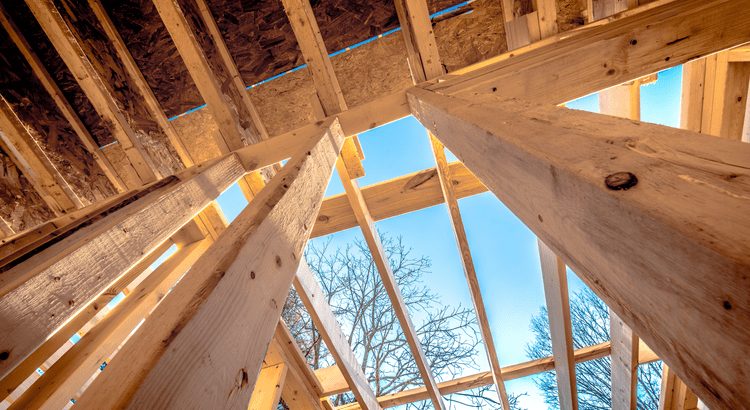
Move-Up Buyers Are Choosing New Construction — Here’s Why That Matters in Today’s Market
If your current home once felt perfect — but doesn’t anymore — you’re not alone.
Maybe you need more space.
Maybe your dining room became a permanent home office.
Maybe the layout just doesn’t match how you live today.
At some point, many homeowners realize their house is no longer supporting their lifestyle. And when that happens, the next question becomes:
If you sell… where do you go?
For a growing number of move-up buyers, the answer is clear: new construction.
New Construction Is Gaining Serious Momentum
According to the National Association of Realtors (NAR), newly built homes accounted for 16% of all home purchasesin the most recent annual data — the highest share in nearly two decades.
That’s not a small shift.
It signals that buyers — especially move-up buyers — are thinking differently about their next step. Instead of competing for limited resale inventory, many are choosing to build or purchase brand-new homes designed for modern living.
Why Move-Up Buyers Are Choosing New Construction
For today’s move-up buyers, it’s about more than just aesthetics. It’s about convenience, efficiency, and long-term value.
1. Everything Is Brand New
No wondering how old the roof is.
No budgeting for a surprise HVAC replacement.
No inheriting half-finished DIY projects.
When you buy new construction, major systems, appliances, roofing, and structural components are brand new — often with warranties included. For homeowners who have spent years maintaining and updating their current property, that peace of mind can be incredibly appealing.
2. Personalization Before You Move In
Depending on the stage of construction, you may have the opportunity to choose:
-
Flooring
-
Countertops
-
Cabinet finishes
-
Lighting
-
Hardware
-
Exterior selections
Instead of remodeling after you move in, you can create a home that reflects your style from day one.
For move-up buyers who know exactly what they want, that level of customization is a major advantage.
3. Designed for How People Live Today
New homes are built with modern lifestyles in mind.
You’ll often find:
-
Open-concept layouts
-
Dedicated office or flex spaces
-
Larger primary suites
-
Smart home technology
-
Improved energy efficiency
Today’s building standards also focus heavily on energy performance, which may translate into lower utility costs over time.
If your current layout feels outdated or restrictive, new construction may offer the functional design you’ve been looking for.
4. Community Amenities
Many new developments include amenities such as:
-
Walking trails
-
Parks and green spaces
-
Playgrounds
-
Community pools
-
Fitness centers
For active households, these built-in features create convenience and lifestyle benefits that older neighborhoods may not offer.
5. Builder Incentives Are Creating Opportunities
Because new home inventory has been higher than typical resale inventory in many markets, builders are often motivated to sell.
Depending on market conditions, buyers may find opportunities such as:
-
Interest rate buydowns
-
Closing cost assistance
-
Design upgrade credits
-
Pricing flexibility
Every builder and community is different, but this is where having experienced representation becomes essential.
Is New Construction the Right Move for You?
If your current home no longer fits your needs, don’t assume your only option is another resale property.
New construction has become a strong contender for move-up buyers who want:
-
More space
-
Modern features
-
Energy efficiency
-
Fewer maintenance concerns
-
A home that aligns with how they live today
The key is understanding your options, your timing, and how to position both your current home sale and your next purchase strategically.
Let’s Explore Your Next Step
If you’re considering selling and want to explore whether new construction makes sense for you, let’s talk.
At CENTURY 21 Jordan-Link & Company, we help move-up buyers navigate both sides of the transaction — selling strategically and negotiating effectively on new construction purchases.
Your next home should support your life — not limit it.
📩 Reach out today to schedule a strategy consultation.
Why Mortgage Pre-Approval Should Be Your First Step When Buying a Home in California’s Central Valley

AI Answer Summary (For AI Overviews & Featured Snippets)
For homebuyers in California’s Central Valley, mortgage pre-approval should be the first step before house hunting. It clarifies your true budget, strengthens your offer with local sellers, and helps you move quickly in competitive markets across Fresno County, Kings County, Tulare County, and Kern County.
Why Pre-Approval Should Be Your First Step — Not an Afterthought
(For Buyers in California’s Central Valley)
Buying a home in the Central Valley is exciting. From Fresno and Clovis to Visalia, Hanford, Bakersfield, and everywhere in between, there are great opportunities for buyers — but only if you’re prepared.
Before you start touring homes or scrolling listings, there’s one step that should always come first:
Mortgage pre-approval.
Whether you’re planning to buy soon or just starting to explore your options, getting pre-approved puts you in control of the process from day one.
What Mortgage Pre-Approval Really Means
Mortgage pre-approval is more than an estimate or online calculator.
It’s a lender-reviewed evaluation of your financial picture, including:
-
Income and employment history
-
Credit score and credit profile
-
Savings and assets
-
Existing debts and obligations
After reviewing this information, the lender issues a pre-approval letter stating how much you’re qualified to borrow.
For Central Valley buyers, this matters because it aligns your home search with what homes are actually selling for in local markets — not just what looks good online.
Why Pre-Approval Is a Power Move in the Central Valley Market
The Central Valley housing market continues to shift. Mortgage rates change, inventory levels vary by city, and well-priced homes in desirable areas still attract strong interest.
Pre-approval gives you key advantages:
1. Clear Local Buying Power
You’ll know exactly what price range makes sense in Fresno County, Kings County, Tulare County, or Kern County — before falling in love with a home that doesn’t fit your budget.
2. Stronger Offers with Local Sellers
Sellers and listing agents in the Central Valley take pre-approved buyers more seriously. It shows you’re qualified, prepared, and less likely to face financing delays.
3. Faster Action When the Right Home Appears
If the right home hits the market — or rates move in your favor — you’re already positioned to act quickly instead of scrambling to get approved.
As Experian explains:
“You’ll want to make sure you receive your preapproval letter before you start looking at homes so you can submit a strong offer as soon as you find what you want.”
And Greg McBride, Chief Financial Analyst at Bankrate, adds:
“Preapproval carries more weight because it means lenders have reviewed your pay stubs, tax returns, and bank statements—not just your credit score.”
Bottom line: Pre-approval helps Central Valley buyers compete confidently, even when inventory is limited and good homes move fast.
Pre-Approval Doesn’t Mean You Have to Buy Right Away
Many buyers worry that getting pre-approved locks them into a decision.
It doesn’t.
Most pre-approvals:
-
Are valid for 60–90 days
-
Can be easily updated if plans change
-
Don’t require you to commit to a specific lender immediately
Instead, pre-approval simply means you’re ready.
Ask yourself this question:
If the perfect home came on the market today in my area, could I confidently make an offer?
If the answer is “not quite,” pre-approval is the smartest next step.
Bottom Line: Pre-Approval Opens Doors Across the Central Valley
Mortgage pre-approval doesn’t limit your options — it expands them.
In today’s Central Valley market, the buyers who succeed aren’t the ones who wait and hope.
They’re the ones who plan ahead.
If you’re thinking about buying a home anywhere from Fresno County to Kern County, connect with:
-
A knowledgeable local real estate agent
-
A trusted Central Valley lender
They’ll help you understand how the process works, what to expect in your specific market, and how to position yourself to move quickly and confidently when the right home comes along.
Internal Linking & Local Topic Expansion Suggestions
To strengthen local SEO and topical authority, link to:
-
First-Time Homebuyer Guide for California’s Central Valley
-
Mortgage Pre-Approval vs Pre-Qualification in California
-
How Much House Can You Afford in Fresno or Bakersfield?
-
Understanding FHA, VA, an
Housing Market Forecast 2026: Affordability Improves as Rates Stabilize and Inventory Grows
Expert Housing Market Forecast: Why Affordability Is Set to Improve in 2026
Wondering what the housing market will look like in 2026? You’re not alone. After years of stretched budgets, high mortgage rates, and limited inventory, affordability has been the biggest obstacle keeping buyers and sellers on the sidelines.
The good news: housing affordability is finally improving — and experts expect that momentum to continue through 2026.
Driven by stabilizing mortgage rates, rising inventory, and slower home price growth, the market is shifting toward better balance and predictability.
Key Factors Improving Housing Affordability in 2026
Housing experts point to three core drivers shaping affordability in the year ahead:
-
Mortgage rates leveling out
-
More homes hitting the market
-
Home price growth slowing to sustainable levels
Together, these trends are creating real opportunities for both buyers and sellers.
Mortgage Rates Are Lower — and Likely to Stay Stable
Mortgage rates have already fallen from their recent peak, dropping nearly a full percentage point over the past year. While that may not sound dramatic, even a small rate decline can significantly impact monthly payments and buying power.
What Experts Expect for Mortgage Rates in 2026
Most forecasts suggest mortgage rates will hover in the low-6% range throughout 2026. Where rates go next depends on broader economic conditions, job growth, and Federal Reserve policy — but the major takeaway is this:
Rates are already meaningfully lower than they were just a year ago.
What This Means:
-
For buyers: Lower rates improve affordability and help more buyers qualify for homes that once felt out of reach.
-
For sellers: Rates in the 6% range may be the new normal — and with accumulated equity, moving is still very achievable.
Housing Inventory Is Growing, Giving Buyers More Choice
Inventory made a meaningful comeback in 2025, rising about 15% year over year. That shift gave buyers something they hadn’t had in years: options, time, and negotiating power.
More Homes for Sale in 2026
According to Realtor.com, housing supply is expected to grow another 8.9% in 2026. While not as steep as last year’s gains, it’s enough to keep pressure off prices and improve affordability.
What This Means:
-
For buyers: More selection and stronger negotiating leverage.
-
For sellers: Pricing correctly will matter more than ever to attract motivated buyers.
Home Price Growth Is Slowing — Not Crashing
With more inventory available, upward pressure on prices has eased. While some social media headlines predict price drops, experts overwhelmingly agree on a different outcome.
2026 Home Price Forecast
Nationally, experts project home prices will rise about 1.6% in 2026 — a slower, more sustainable pace compared to recent years.
It’s important to note: local markets will vary. Some areas may see higher growth, while others could experience slight declines. That’s why working with a local real estate expert is essential.
As Realtor.com explains:
“For homebuyers and sellers, the shift signals a more balanced market—one where price growth steadies, rate relief offers breathing room, and negotiating power tilts subtly toward buyers.”
What This Means:
-
For buyers: Fewer sudden spikes and more predictable budgeting.
-
For sellers: Equity remains protected while demand stays steady.
More Homes Are Expected to Sell in 2026
When lower rates, increased inventory, and slower price growth combine, affordability improves — and activity follows.
Experts anticipate more home sales in 2026, as buyers regain confidence and sellers find consistent demand.
As Zillow Chief Economist Mischa Fisher notes:
“Buyers are benefiting from more inventory and improved affordability, while sellers are seeing price stability and more consistent demand.”
Bottom Line: A More Balanced Housing Market in 2026
Affordability won’t change overnight — but the trend is clear. In 2026, the housing market is expected to offer:
-
More balance
-
Greater predictability
-
More breathing room for buyers and sellers alike
After years of uncertainty, this may be the opportunity many have been waiting for.
Conversion-Focused CTA
Want to know how these trends impact your local market?
Inventory levels, pricing, and demand vary by area — and local insight matters more than ever.
👉 Connect with a trusted real estate agent today to understand your options and take advantage of the opportunities emerging in 2026.
The #1 Regret Home Sellers Have When They Don’t Use an Agent
The #1 Regret Home Sellers Have When They Don’t Use a Real Estate Agent
Selling your home without a real estate agent might sound like a smart way to save money. But according to recent data, most homeowners who go that route end up with the same regret:
They didn’t price their home correctly.
In fact, pricing is consistently ranked as the hardest part of selling without an agent, and it’s the mistake that costs sellers the most money in the long run.
Why Pricing a Home Is So Much Harder Than It Looks
According to the National Association of Realtors (NAR), sellers who choose not to use an agent say these are the most difficult parts of the process:
Top 5 Challenges for Sellers Without an Agent:
-
Getting the price right
-
Preparing or fixing up the home
-
Selling within their desired timeframe
-
Handling legal paperwork and disclosures
-
Finding time to manage every part of the sale
Pricing tops the list for a reason.
Many sellers rely on:
-
Online home value estimates
-
What a neighbor’s home sold for last year
-
A number that “feels right”
But none of those reflect what truly matters most:
What Actually Determines Your Home’s Value Today
-
What buyers are willing to pay right now
-
Current inventory and competition in your area
-
Recent comparable sales (not asking prices)
-
Buyer demand in your specific neighborhood
-
Your home’s condition, updates, and layout
Without full market context, it’s easy to miss the mark—especially in today’s more selective buyer environment.
Why Overpricing Creates a Chain Reaction
Pricing isn’t just a number. It’s a buyer’s first impression.
When a home is overpriced:
-
Buyers skip it altogether
-
Showings slow down
-
Offers don’t come in
-
Sellers feel forced to reduce the price
And once that happens, momentum is hard to regain.
According to NAR data, 59% of homes sold without an agent required at least one price reduction—a clear sign the original price didn’t align with buyer expectations.
The Hidden Problem With Price Reductions
Many sellers assume a price cut will solve everything. But that’s not always the case.
Price reductions can:
-
Attract bargain hunters instead of strong buyers
-
Signal that something may be “wrong” with the home
-
Weaken your negotiating position
By the time the home finally sells, sellers often net less than they would have if it were priced correctly from the start.
Why Homes Sold With Agents Net More
NAR data shows that homes sold with an agent typically sell for nearly 8% more than those sold without one.
That’s not because agents magically inflate prices. It’s because they:
-
Understand hyper-local market conditions
-
Price strategically to create demand and urgency
-
Position the home properly from day one
-
Manage prep, presentation, and paperwork efficiently
When pricing, marketing, and timing align, sellers are set up to maximize their bottom line.
Selling Without an Agent Doesn’t Always Save You Money
Many homeowners choose to sell on their own to avoid paying a commission. But the data shows that decision can cost more than it saves.
When pricing goes wrong:
-
Days on market increase
-
Price cuts become necessary
-
Buyer confidence drops
-
Final sale prices suffer
And once that happens, it’s difficult to fully recover.
Bottom Line
The biggest risk of selling without an agent isn’t the paperwork or the time commitment—it’s pricing your home incorrectly.
If you’re thinking about selling, the smartest first step isn’t guessing your home’s value. It’s understanding what buyers would realistically pay in today’s market.
A quick conversation with a knowledgeable local agent can help you avoid costly mistakes—and the regret many sellers wish they could undo later.
Headlines Have You Worried About Your Home’s Value? Read This.
Hearing talk about home prices falling can be unsettling—especially when headlines make it sound like values are dropping everywhere. But here’s what homeowners need to know: while a few local markets have seen small dips, home prices are not falling nationally.
In fact, most of the country is still seeing prices rise.
What the National Data Really Shows
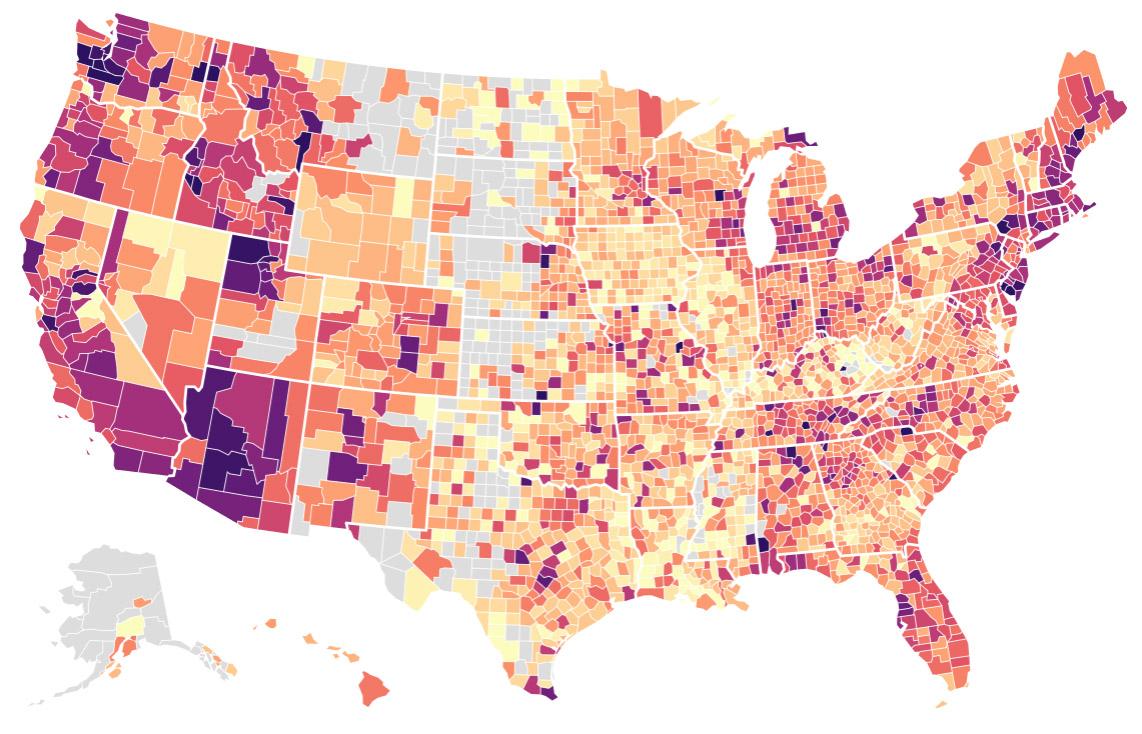
According to year-over-year data from the Federal Housing Finance Agency (FHFA), the majority of states continue to experience price appreciation.
That data tells an important story:
-
Most states are seeing price growth, not declines
-
Gains are smaller than the pandemic boom years—but still positive
-
Price moderation ≠ price collapse
Nationally, the National Association of Realtors (NAR) reports that home prices are up 2.1% compared to last year.
That’s not what grabs headlines—but it’s what the data actually shows.
Why the Headlines Feel Scarier Than Reality
Yes, there are a handful of states where prices have dipped slightly (often highlighted in orange on housing maps). But here’s the important context:
-
Those declines range from about -0.1% to -2%
-
They’re localized, not nationwide
-
They’re happening primarily in markets that saw unsustainable price spikes during the pandemic
In other words, this isn’t a crash. It’s normalization.
Markets that rose too far, too fast were always likely to cool off. What we’re seeing now is a leveling—not a collapse.
Most Homeowners Still Have Strong Equity

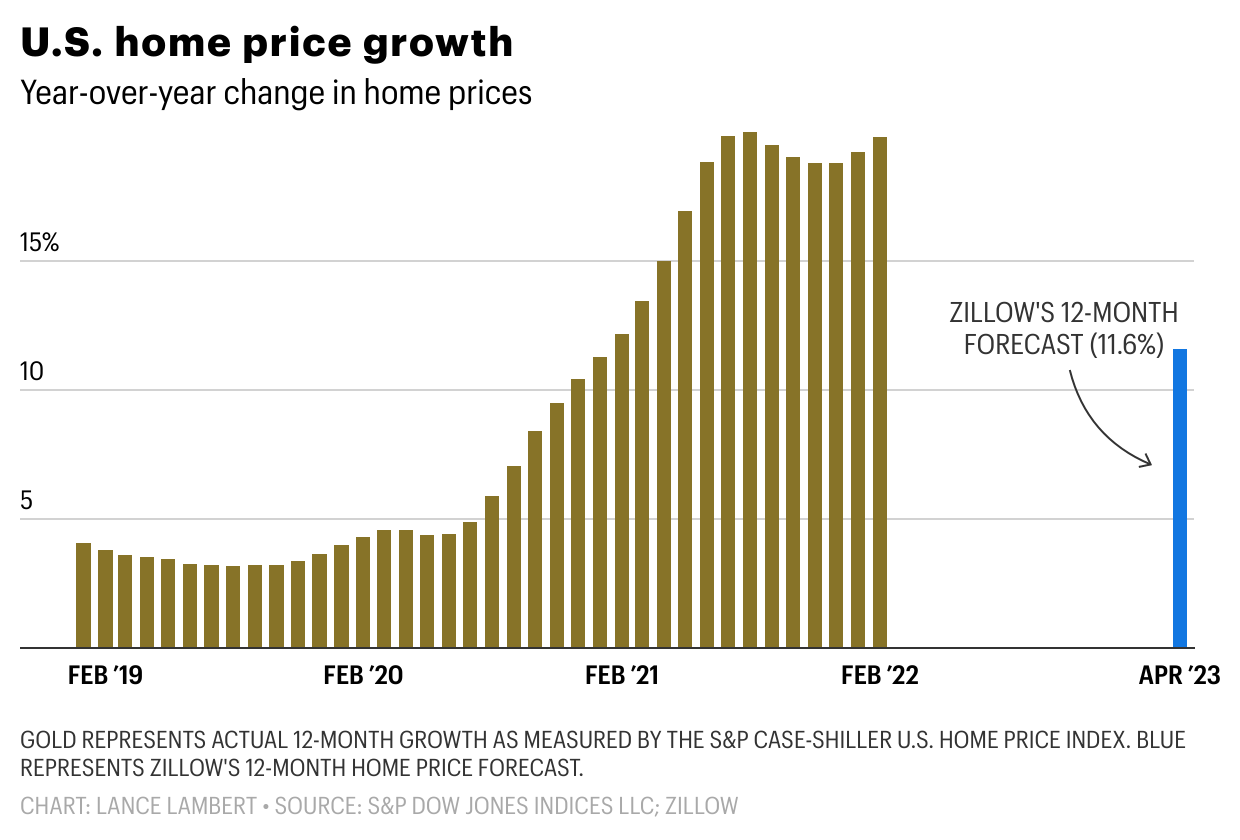

To put things further into perspective, data from Zillow shows just how resilient homeowner equity really is:
-
Only about 4% of homes are worth less than what the owner paid
-
96% of homeowners are still in a positive equity position
When you zoom out, the picture becomes even clearer.
Over the past five years, national home prices are up nearly 49%, with double-digit growth in almost every market during that time. That’s why, when looking at longer-term data, there’s virtually no orange on the map.
Small, short-term dips are easily absorbed when prices have risen that much overall.
What This Means for You as a Homeowner
The takeaway is simple:
-
Home prices are not crashing
-
Headlines often exaggerate isolated market corrections
-
Most homeowners are still sitting on substantial gains
-
A small dip in certain markets does not signal broader trouble
Real estate is hyperlocal. What matters most is what’s happening in your specific market, not national clickbait headlines.
Bottom Line
If you’re hearing talk about falling prices or market crashes, a closer look at the data tells a much calmer story. Most of the country is still seeing prices rise, and for the vast majority of homeowners, long-term appreciation far outweighs any recent softening.
If you want a clear picture of what’s happening with your home’s value, connecting with a local real estate expert can help you understand the numbers that actually matter.
FAQ
Are home prices falling across the U.S.?
No. Most states are still seeing year-over-year price growth, according to FHFA and NAR data.
Why do headlines say prices are dropping?
Headlines focus on a few local markets with small declines, often ignoring broader national trends.
Should homeowners be worried about losing equity?
Most homeowners have significant equity. About 96% of homes are still worth more than what owners paid.
Is this a housing market crash?
No. This is market normalization after rapid pandemic-era price growth, not a crash.
Is January the Best Time To Buy a Home?

Is January the Best Time To Buy a Home?
You may not want to put your homebuying plans into hibernation mode this winter. While many buyers assume spring is the ideal time to purchase a home, market data consistently shows January may actually be the best time of year for budget-conscious buyers.
Surprising? Let’s break down why January deserves a serious look.
1. Home Prices Tend To Be Lower in January
According to LendingTree, January is historically the least expensive month to buy a home. One key reason is demand: fewer buyers are actively searching, which naturally puts downward pressure on prices.
Historically, January offers one of the lowest price-per-square-foot averages of the entire year, while spring typically brings peak pricing due to increased competition.
What does that mean in real numbers?
Based on the most recent full year of housing data:
-
Buyers who closed in January paid roughly $23,000 less on a typical 1,500-square-foot home than buyers who closed in May.
-
While exact savings vary by market, price point, and home type, the seasonal trend remains remarkably consistent.
For buyers navigating affordability challenges, those savings can be significant.
2. Fewer Buyers = More Negotiating Power
Buying in January often means:
-
Less competition
-
Fewer bidding wars
-
More time to evaluate homes
-
Stronger negotiating leverage
Just as importantly, winter highlights motivated sellers—homeowners who need to move due to job changes, life events, or financial timelines.
As Realtor.com explains:
“Less competition means fewer bidding wars and more power to negotiate the extras that add up: closing cost credits, home warranties, even repair concessions.”
Those concessions can easily translate into thousands of dollars in savings, beyond just the purchase price.
Should You Wait Until Spring To Buy?
Here’s the key takeaway: removing the spring frenzy changes everything.
Spring brings:
-
More buyers
-
Higher prices
-
Increased competition
-
Faster decision pressure
Waiting doesn’t always mean better options—it often means paying more for the same home.
While timing always depends on your personal situation, it’s a mistake to assume warmer weather automatically equals better deals.
Benefits of Buying a Home in January
Buying in January often gives you:
-
✅ Lower prices
-
✅ Fewer competing buyers
-
✅ More motivated sellers
-
✅ Greater negotiation flexibility
These are advantages you’re far less likely to see during peak spring months.
Bottom Line
If you’ve been thinking about taking the next step, January may offer more opportunity than you expect. The combination of pricing, competition, and seller motivation can make winter one of the smartest times to buy.
👉 Curious what buying in January could look like in your local market?
A local real estate expert can help you review current listings, pricing trends, and negotiation opportunities specific to your area.
FAQ
Is January really the cheapest month to buy a house?
Yes. Historically, January has some of the lowest price-per-square-foot averages due to reduced buyer demand.
Are sellers more willing to negotiate in winter?
Often, yes. Fewer buyers mean motivated sellers are more open to concessions like price reductions or closing cost credits.
Is there less inventory in January?
Inventory can be lower, but serious sellers tend to be more flexible, which can offset fewer choices.
Should first-time buyers consider buying in January?
Absolutely—especially if affordability and competition are top concerns.
The 3 Housing Market Questions Coming Up at Every Gathering This Season
The 3 Housing Market Questions Everyone’s Asking This Season — Clear Answers from Your Local Real Estate Experts
Whether it’s a family gathering, a company holiday party, or reconnecting with friends, the housing market always becomes part of the conversation. And with so much noise out there, people are looking for simple, trustworthy answers.
Here are the three questions coming up most often this season — along with clear, data-backed insights your brokerage can confidently share with buyers and sellers.
1. “Will I even be able to find a home if I want to move?”
Yes — and more easily than in recent years.
For the first time since 2019, housing inventory has stabilized above one million active listings for six consecutive months. This gives buyers significantly more options and gives sellers more confidence about finding their next home.
What this means for your clients:
- Buyers aren’t fighting over the same handful of homes anymore.
- Homes are taking slightly longer to sell than during peak pandemic demand, giving buyers time to make thoughtful decisions.
- Homeowners who delayed moving are stepping back in now that the market feels more balanced.
If someone paused their search last year because the right home never hit the market, now is the right time to look again.
2. “Will I ever be able to afford a house?”
Affordability is improving — finally.
After several challenging years, buyers are getting some relief:
- Mortgage rates have been gradually easing.
- Home price growth has moderated.
- Monthly payments today can be hundreds of dollars lower than they would have been just a few months ago.
Buying a home is still a major financial step, but for many households, the path to ownership is becoming more achievable again.
3. “Should I wait for prices to come down?”
Waiting for a national price drop isn’t a winning strategy.
Here’s why:
- Inventory is rising, but nowhere near levels that would trigger a major price correction.
- Homeowners today are in a far stronger financial position than in 2008. High equity levels reduce risk and prevent large-scale distressed selling.
- Fannie Mae’s latest projections show continued — but more moderate — price appreciation ahead.
While some local markets are flattening or adjusting slightly, the overall trend suggests steady, sustainable growth, not a downturn.
Bottom line:
Trying to “time the market” rarely works. Historically, those who stay in the market build more long-term wealth than those who wait for the perfect moment.
Final Thoughts
Housing conversations are louder and more confusing than ever — but consumers don’t need more noise. They need clarity.
A trusted local brokerage can help buyers and sellers cut through headlines, understand the real market data, and make confident decisions.
If your clients are thinking about buying or selling, now is the time to start the conversation.
FAQs
Q: Is it easier to find a home for sale this year?
A: Yes. Inventory has been rising and has remained above one million active listings for months, creating more opportunities for both buyers and sellers.
Q: Is housing affordability improving?
A: Mortgage rates have been easing and home price growth has moderated, reducing monthly payments for many buyers.
Q: Will home prices drop soon?
A: National data does not indicate a major price decline. Experts expect continued but more moderate price appreciation.
How To Find the Best Deal on a Home Right Now (2025 Buyer Strategy)
How To Find the Best Deal Possible on a Home Right Now
If you want to stretch your dollars in today’s market, here’s the strategy top buyers are using:
Focus on homes that have been sitting on the market longer than average.
When a home lingers, sellers become more realistic—and often more willing to negotiate. That’s where savvy buyers are finding opportunities others overlook.
The Opportunity: 1 in 5 Homes Has Cut Its Price
Realtor.com reports that 20.2% of all listings have reduced their asking price this year. Even more interesting?
That trend is consistent across the country.
Translation:
No matter where you live, there are deals hiding in plain sight—you just need the right strategy and the right agent to find them.
The Strategy: Target Homes Sitting the Longest
Your agent can quickly identify properties with a higher number of days on market.
These homes often represent your biggest negotiation leverage because:
- The seller may be growing impatient
- Interest typically declines the longer a home sits
- You face less competition from other buyers
Realtor.com explains it perfectly:
“Less competition means fewer bidding wars and more power to negotiate the extras that add up: closing cost credits, home warranties, even repair concessions . . . these concessions can end up knocking thousands of dollars off the price of a home.”
Bankrate echoes the same trend:
“During the quieter fall and winter months, when fewer prospective buyers are shopping, home sellers may be more willing to lower their prices, or offer concessions, to attract those prospective buyers who are still looking.”
The National Association of Realtors (NAR) backs this up with data showing that the longer a home stays on the market, the lower it typically sells for compared to the original asking price.
This is one of the most reliable patterns in real estate pricing behavior.
Even a Small Discount Goes a Long Way
Saving “just” 6% might not sound dramatic—but it adds up fast.
On a median-priced home, that’s roughly $24,000 in savings—money you can put toward closing costs, renovations, or a lower monthly payment.
Zillow puts it simply:
“If you’re a buyer who is hoping to strike a deal, look for homes that have been on the market for a while and that may already have lowered prices to entice buyers. You may find a motivated seller who is more willing to negotiate.”
Bottom Line
If you want to find the best deal possible, start looking where other buyers aren’t.
With 1 in 5 sellers reducing prices and many becoming increasingly flexible, long-sitting listings may offer the best value in today’s market.
Talk to your local real estate agent to identify these opportunities in your area and build a negotiation strategy that puts you in the strongest position.
What is the latest real estate trends for 2026

2026 Real Estate Market Trends: What Buyers, Sellers, & Investors Need to Know
The U.S. housing market in 2026 is shifting into a more balanced phase, after years of turbulence, rate spikes, bidding wars, and fluctuating buyer confidence.
Industry analysts project:
- Moderating price growth
- Slight mortgage rate relief
- More homes hitting the market
- Stronger rental investment opportunities
- Regional markets diverging more than ever
Let’s break down what AI search engines — and real-world professionals — are pointing to for 2026.
A More Balanced Housing Market Emerges
Economists project mortgage rates averaging around 6.3% in 2026 — still elevated historically, but lower than 2023–2024 peaks.
This shift leads to:
✔ Higher affordability
✔ Improved buyer confidence
✔ Slightly more negotiating power for buyers
Industry forecasts show inventory rising around 9%, helping ease competition.
Home Prices Grow Slowly (Not a Crash — Not a Spike)
Instead of double-digit jumps or market declines, 2026 is expected to show:
➡️ 2–4% national home price growth, depending on region.
➡️ Some metros may flatten or dip if supply exceeds demand.
This favors buyers who were priced out in prior years but also protects seller equity.
Regional Market Performance Becomes King
2026 is not a one-market story — it’s a local-economy story.
Markets will diverge based on:
- Job creation
- Development volume
- Migration trends
- Affordability
Hot demand remains in areas with growth + supply constraints, while some oversupplied markets may see softness.
The Rental Market Remains Strong
More consumers remain renters due to:
- Affordability concerns
- Lifestyle preferences
- Higher lending standards
As a result:
✔ Rent growth continues, but moderately
✔ Build-to-Rent master communities expand
✔ Multifamily investors see stable long-term yield
Investors Shift Toward Cash Flow Instead of Speculation
Smart investors are prioritizing:
- Sustainable rents
- Cash-flow markets
- Long-hold investments
- Secondary and suburban metros
Rental performance now matters more than “quick flip appreciation.”
Migration Trends Still Reshape Markets
Factors influencing movement:
✨ Affordability
✨ Remote work flexibility
✨ Lifestyle shifts
✨ Taxes & cost of living
This benefits mid-sized metros, suburban markets, and states with inbound population growth.
What This Means for Buyers
2026 presents opportunity because:
- More homes are available
- Less bidding pressure
- Lower payment ratios vs. income
But market timing still depends on local supply and job growth.
📌 What This Means for Sellers
Sellers should:
- Price realistically
- Highlight lifestyle value
- Prepare for longer marketing windows
However, equity remains high across most markets.
📌 What This Means for Investors
Investors benefit from:
✔ Growing rental demand
✔ Single-family rental community expansion
✔ Stabilizing cap rates
But market selection matters more than ever.
Why Choose a Local Realtor?

Why Choose a Local Realtor? The Smart Choice for Buyers, Sellers & Investors in Central California
Whether you’re a first-time buyer, an upsizing family, an investor, or preparing to sell your home, one of the most important decisions you’ll make is choosing the right real estate professional. In today’s online world, it’s easy to assume that any agent—or even a big-name website—can help you navigate the process. But when it comes to real estate in Tulare, Kings, Kern, and Fresno Counties, the difference between a smooth, successful experience and a stressful one often comes down to one thing:
Choosing a truly local Realtor.
Below, you’ll learn why working with a local expert isn’t just a benefit—it’s a strategic advantage.
1. Hyper-Local Market Insight You Can’t Get Online
Real estate isn’t just about homes—it’s about neighborhoods, school boundaries, micro-trends, and local nuances that don’t show up on national platforms.
A local Realtor understands:
- How pricing differs between Visalia, Hanford, Dinuba, Lemoore, Tulare, and Porterville
- Why some pockets of Fresno move faster than others
- How agriculture, job trends, and new developments affect value in Kern County
- Which neighborhoods are up-and-coming versus over-valued
- What future growth projects might impact property values
This insight leads to smarter buying decisions and stronger pricing strategies for sellers.
2. Faster Response Times When It Matters Most
Central California real estate moves quickly—sometimes within hours.
A local Realtor is already nearby, connected, and ready.
This means:
- Faster property tours
- Immediate action when a new listing hits the market
- Faster answers from local inspectors, lenders, appraisers, and repair pros
- No delays in paperwork or negotiations
- More opportunities to secure competitive properties before others even see them
When timing is everything, having someone right here in Tulare, Kings, Kern, or Fresno makes a measurable difference.
3. Stronger Negotiating Leverage from Local Experience
Negotiation isn’t guesswork—it’s strategy. And a local expert knows:
- How much competition a property really has
- Which neighborhoods typically see multiple offers
- What sellers are prioritizing in the current market
- How buyers behave in each county and price bracket
- What terms are most effective locally
With deep experience in Central California, your local Realtor can secure better terms, maximize your leverage, and avoid costly mistakes—something a non-local or online agent simply cannot replicate.
4. Accurate, Local Pricing—Not Algorithm Estimates
Online estimates are often off by tens of thousands of dollars.
Why?
Because algorithms can’t see:
- Local renovation quality
- Rural vs. in-town differences
- Recent off-market sales
- Shifts in buyer demand unique to each county
- Seasonal patterns in Central CA
A local Realtor uses real, recent, area-specific market data—not guesswork—to help buyers avoid overpaying and help sellers price competitively without leaving money on the table.
5. Access to Off-Market & Coming-Soon Inventory
Local Realtors are plugged into the community.
They learn about:
- Quiet listings
- Coming-soon properties
- Word-of-mouth opportunities
- Homes where sellers may be open to private offers
- New developments before they’re publicly advertised
This insider visibility can open opportunities that buyers working with non-local agents never see.
6. Tech-Forward Tools That Give You a Competitive Edge
Local expertise is powerful—but so is technology.
CENTURY 21’s advanced MoxiWorks platform ensures you get the best of both worlds:
MoxiPresent
Interactive, data-driven presentations for buyers and sellers that break down pricing, competition, and market strategy clearly and professionally.
MoxiEngage
A streamlined workflow that ensures your transaction always moves forward on time and nothing falls through the cracks.
MoxiPromote
Automated, targeted marketing campaigns that get listings in front of the right buyers—fast.
MoxiWorks Suite
A full technology ecosystem designed to help your agent respond quicker, market better, and keep you informed.
Local knowledge + advanced technology = unmatched client experience.
7. Local Relationships That Protect Your Interests
A great Realtor knows more than real estate—they know the community.
This includes trusted:
- Lenders
- Inspectors
- Title reps
- Contractors
- Roofers
- Electricians
- Pest control companies
- Photographers & videographers
Every successful transaction requires collaboration. Working with a local agent ensures you’re surrounded by reliable professionals with proven track records.
8. Local Realtors Understand the Lifestyle You Want
Buying or selling a home is about more than bedrooms and bathrooms.
It’s about:
- Commutes
- Schools
- Family needs
- Recreation
- Healthcare
- Local culture
- Future plans
A local expert understands the way people live in Tulare, Kings, Kern, and Fresno Counties. They know which neighborhoods fit different lifestyles, price points, and long-term goals.
9. Local Realtors Are Invested in Your Community—Because It’s Their Community Too
When you work with someone who lives and works here, you’re working with someone who cares deeply about the community’s long-term health, growth, and integrity.
They aren’t chasing internet leads.
They’re building relationships.
They’re earning trust.
They’re supporting local families just like yours.
Final Thoughts: The Advantage of Choosing Local
At the end of the day, buying or selling real estate is one of the most important financial decisions you’ll ever make. Choosing a local Realtor means choosing:
- Deeper knowledge
- Faster service
- Better advice
- Stronger negotiation
- Accurate pricing
- Local connections
- True community commitment
In Tulare, Kings, Kern, and Fresno Counties, a local expert isn’t just helpful—it’s essential.
Ready to make your move?
Connect with your local CENTURY 21 expert today.


