

 Facebook
 X
X
 Pinterest
 Copy Link
Visalia Real Estate
Unlocking the Secrets of Visalia, CA: A Comprehensive Guide to Real Estate and Homes for Sale
Why Visalia, CA Stands Out in the Real Estate Market
Situated in the heart of California, Visalia is more than just a city—it’s a lifestyle. This bustling location offers a mixture of urban charm and rustic beauty, setting it apart from other cities. Let’s explore what makes the real estate market here an investment worth considering.

Tulare County Homes for Sale
Key Features of Visalia Real Estate
Affordable Living
Unlike its lavish neighbors like San Francisco or Los Angeles, Visalia provides cost-effective housing options. The affordability makes it an attractive choice for both first-time buyers and seasoned investors.
Diverse Home Styles
Whether you’re after a vintage bungalow or a sleek, modern apartment, Visalia has it all. Its versatile housing stock caters to a wide range of tastes and budgets.
Steady Market Trends
Visalia’s real estate market remains stable, showing continuous growth over the years. This reliability makes it a solid investment for long-term benefits.
Navigating the Buying Process in Visalia
Contact a Local Agent
To streamline your house hunting, connect with a local real estate agent. These professionals know the market inside and out, offering invaluable insights.
Financing Options
Banks, credit unions, and online lenders provide an array of mortgage solutions. Assess your financial health to choose the most suitable option for you.
Home Inspection is Crucial
Never skip a thorough home inspection. This step ensures that the property you’re interested in meets all safety and quality standards.
Closing Thoughts: The Visalia Advantage
Choosing to invest in Visalia real estate can yield more than just monetary gains; it’s an opportunity to be part of a thriving community. The city offers a blend of excellent schools, leisure activities, and cultural richness, making it the ideal place to call home.
Whether you’re a first-time homebuyer or an experienced investor, Visalia, CA offers compelling reasons to invest in its real estate market. So, start your search today and unlock the potential of this Californian gem.
Now, take the plunge and make Visalia your new home or investment destination. You won’t regret it.
Fine Homes & Estates eNewsletter: September 2023
**Inside this Edition:**
> Elcielo, the Michelin-Starred Luminary, Unveils Its Secondary Miami Haven
> Property Ventures: Pinpointing the Apex Lucrative Havens for Tenants
> The Quintessential Luxury Touch in NYC Edifices: Communal Work Enclaves

Elcielo, the Michelin-Starred Luminary, Unveils Its Secondary Miami Haven
Fate is auspicious for the Colombian culinary maestro, Juan Manuel Barrientos Valencia, amidst Miami’s vibrant streets. Esteemed as “Juanma,” this Michelin-awarded virtuoso inaugurated an adjunct Elcielo Miami establishment within the SLS South Beach. This latest gastronomic venture nestles where once The Bazaar by José Andrés thrived, now metamorphosed by the aesthetic touch of Philippe Starck.
In its quest for global gastronomic dominance, this novel Elcielo is set to enthrall patrons with an eclectic carte du jour, harmoniously fused with time-honored specialties from its precursor. Gourmet aficionados can revel in the Miami Spice repertoire, accessible till the end of September, which boasts of succulent crispy yucca juxtaposed with caviar-laden pork, vibrant yellowtail ceviche, guava-infused BBQ pork ribs, and the traditional yuca gnocchi. It’s noteworthy that Elcielo’s excellence has been acknowledged with Michelin accolades in both its Miami and Washington, D.C. venues.
*Snap by Elcielo/ SLS South Beach*

Property Ventures: Pinpointing the Apex Lucrative Havens for Tenants
For the nascent short-lease property magnates, engrave these words deeply: “Beachfront Mansion.” A meticulous scrutiny by AirDNA, an establishment adept in Airbnb metrics, sequenced the American holiday leasing spheres according to potential landlords’ yearly profit zeniths. Among the trio of abodes assessed, metropolitan tenancies proffered the scantiest yield, overtaken by secluded cabins. Yet, grand beachfront residences reigned supreme. Hence, the question arises: Which shores host these goldmine beachfront residences? The trio to venerate comprises Santa Barbara, Los Angeles, and, unsurprisingly, Miami. In a riveting revelation, a staggering 17 of the 20 zenith revenue-generating short-lease coastal domains reside within the realms of California or Florida.
*Visage by Toa Heftiba on Unsplash+*
The Quintessential Luxury Touch in NYC Edifices: Communal Work Enclaves
Bid adieu to customary fitness alcoves and round-the-clock gatekeepers. The Big Apple’s avant-garde residential luxury is embodied in communal professional alcoves. To ensnare the legion of telecommuters, opulent abode creators are infusing their spaces with secluded chambers, assembly sanctums, and audio narrative cubicles, leveraging the persisting domicile-work trend. Although a segment is gradually drifting back to institutional work zones, a remarkable 59% of the workforce adheres to homebound duties for a trio of days or even more per septenary, as illuminated by a recent Pew Research Center disquisition.
*Imagery by OC Gonzalez on Unsplash*
Relocate to a New State With These Essential Tips

Jordan-Link & Company is the largest locally owned real estate firm in Tulare and Kings Counties with over 380+ Realtors® and staff available to assist you in offering a one-stop resource for all your real estate needs. Connect with us today to learn more!
How do you move to a new state and keep the process smooth and stress-free? The key is to get organized and start planning as soon as possible. Not only will having everything in order help you stay on track with the move, but it will also give you peace of mind so you can relax and focus on the next chapter of your life. Finding the perfect home, searching for a job, and getting accustomed to your new surroundings will take some time, which is another reason you’ll need to plan early.
Here, Jordan-Link & Company presents a few things to consider when you’re about to move across state lines:
Consider Your Job Options
If you don’t already have a job waiting for you in your new state, it’s important to start doing some research on your options as early as possible since it can take some time to find the right fit. Betterteam recommends reading up on companies you’re interested in to learn more about their practices and what they’re looking for, and revive your resume so that it’s as glowing as possible.
If you’ve always wanted to start a business, now may be a great time to become an entrepreneur as you get a fresh start in a new city. Look online for resources to help with your business launch and registration. If you don’t want to worry about the paperwork and details, you can use a formation service. They’ll ensure everything is filled out correctly and submitted in a timely manner so that you can focus on the other details of your new business.
Shopify suggests starting by writing a business plan that includes how you’ll sell your products or services, how you’ll handle the financial end of things, and how your business will be structured. Then, figure out a marketing strategy that you can follow to get people aware of and interested in what you have to offer.
Figure Out the Cost of Living

image of real estate agent holding keys to a home
Once you have your employment situation nailed down, it’s crucial to learn more about the cost of living in the area you’ll be moving to. In Fresno for example, the costs of utilities, groceries, and healthcare come in right at the national average, while housing is especially low. If you decide that you’re not ready to purchase a home right away, consider renting one. Prices on rental houses are also quite affordable, depending on where you live.
Work with an Agent Who Can Help with Your Transition
Moving to a new city can be both exciting and overwhelming. There’s so much to consider, from finding the right home to picking the perfect neighborhood. That’s why it’s important to work with a realtor who can help guide you through the process. An agency like Jordan-Link & Company. They have extensive knowledge of the Bakersfield-Fresno area, and they can help you find the perfect place to call home. They’ll also be there to answer any questions you have about your new community.
Set Up Repairs and Updates
Moving into a new home can be an exciting experience, but it’s important to remember that even a turnkey home may require updates or minor repairs once you move in. Whether it’s fixing a leaky faucet or repainting a room, it’s essential to address any issues as soon as possible to prevent further damage. Taking care of these tasks early on can save you time and money in the long run. To make the process easier, look for local home repair pros online through dedicated apps. For example, the Frontdoor app helps you manage your home by helping you connect with an expert via video chat, who can point you in the right direction.
Change Your Info
After you move in and are adjusting to your new surroundings, it’s important to make sure you update certain information to reflect your new address. Your driver’s license, voter registration, car tags, and credit cards/bank are a few of the biggest priorities, but you’ll also need to notify your health insurance and loan providers. Create a checklist so you can ensure that none of these changes is overlooked.
Moving to a new state can be a nerve-wracking experience, but it can also be one of the most exciting adventures of your life. It’s an opportunity to challenge yourself, to broaden your horizons, and to start fresh. Take the time to research your new city or town, plan ahead, use a home maintenance and repair app, and surround yourself with positive support. Remember that there will be ups and downs along the way, but with the right mindset and preparation, you can make a successful transition to your new home.
Photo via Pexels
Curb Appeal on a Budget!
Elevate Your Home’s Facade for Under $100: A Comprehensive Guide
In a world where first impressions are everything, why not make your home the showstopper of the neighborhood without depleting your bank account? With a mix of creativity and budget-savvy tricks, these 30 hacks can turn your home into the envy of the block—all for less than $100.
Turn Forgotten Furniture into Trendy Planters
Don’t toss that weathered chair just yet! Give it new life by converting it into a chic planter for your entryway. A quick layer of weather-resistant paint will make it a standout.

Modernize Your Home With Sophisticated Address Numbers
Switch your aging, bleached house numbers for sleek, contemporary ones. Opt for metallic finishes like brushed nickel or bronze for an upscale touch.
Inject Vibrancy with a Colorful Front Door
A lively, inviting front door can act as the centerpiece of your home’s exterior. Choose a hue that not only contrasts with, but also accentuates, the colors of your house for a harmonious but eye-catching look.
Mastering Exterior Illumination: Affordable Options
Lighting sets the mood, even outdoors. Solar-powered lights are your wallet’s best friend when it comes to lighting up walkways or garden accents.
Thrifty Horticulture: Make the Most of Container Gardening
Budget-friendly and versatile, container gardening offers you the opportunity to animate your front yard with minimal upkeep. Go for resilient plants like succulents or ornamental grasses to keep costs and maintenance low.
The Anatomy of Container Gardening
- Choosing the Right Containers: Recycle or invest in ceramic pots
- Plant Selection: Succulents and ornamental grasses are low-effort and high-impact
- Strategic Placement: Showcase them on your porch or along your garden path
Flipping Houses to Fund Your Return to Higher Education
Returning to college as an adult can help you advance your career and open up new opportunities for personal and professional growth. However, the financial burden of tuition fees and living expenses can pose a significant barrier, especially if you need to cut back your work hours to make time for learning.
Flipping houses is a unique yet increasingly popular strategy to pay for college, particularly among adults going back to school. As an adult, you’ve likely accumulated some savings, equity, or access to loans that will enable you to invest in real estate and make house-flipping a realistic way to drum up money for college. Are you ready to get started? Keep reading for expert real estate tips from Quantum Realty Group to learn how you can become a successful house flipper!

Photo via Pexels
Prioritize High-ROI Home Improvements
One of the biggest mistakes people make when flipping houses is investing in home upgrades that don’t pay off. Avoid over-improving or over-decorating your property. Take a look at the other homes in your neighborhood and prioritize upgrades that will improve your property to the same level or slightly better.
Stick to upgrades that will offer a high return on investment, such as kitchen improvements or simple cosmetic enhancements. For example, painting the kitchen cabinets is a great way to enhance the look and feel of a home. You may also want to replace the range hood with a model that better vents grease, smoke, odors, and pollutants from the kitchen to improve indoor air quality. Some other impactful kitchen upgrades include installing new countertops, adding a backsplash, or installing modern light fixtures.
Clean the Home Before Listing
When your improvements are finished and you’re ready to list your property, do some cleaning first. Allure.com recommends cleaning the home before you bring in an appraiser. Tend to the landscaping, pressure wash the exterior, polish the appliances, and vacuum up every speck of construction dust. A high-quality vacuum will quickly pay for itself by saving you the cost of hiring professional cleaners for every house-flipping project. Look for a corded stick vacuum that’s lightweight and easy to transport. Stick vacuums are great for getting all those hard-to-reach areas.
Don’t Overlook the Importance of Staging
As House Flipping School explains, staging your property is a great way to highlight promising features and camouflage weaknesses, making the home more attractive to potential buyers. For example, something as simple as rearranging the furniture can help buyers visualize how they can use the space. Accessorizing is also important, giving the rooms a sense of comfort and hominess. For example, consider enhancing the bedrooms with stylish new bedding, including beautifully-printed duvets featuring designs from independent artists.
Do Your Due Diligence
When flipping houses, due diligence refers to the process of thoroughly investigating a property’s condition, financials, legal status, and market factors. The goal of due diligence is to identify potential risks and constraints that may impact the visibility or profitability of your property. Take your time with property inspections, title searches, reviewing financial documents, estimating renovation costs, researching local market trends, analyzing comparable sales, and verifying zoning and regulatory compliance. As a first-time house flipper, it’s a good idea to connect with an expert who can help you navigate the process of due diligence and ensure you don’t miss anything.
Go Back to School
House-flippers tend to work mostly alone, and since there’s a lot of computers involved in everything from budgeting to marketing the finished project, one way to give yourself an advantage over the competition is by going back to school and pursuing your education and work at the same time. For instance, you could look into the procedures of a computer science online degree – especially via online platforms that allow you a great deal of freedom and flexibility when it comes to scheduling. That way, you can put what you’re learning to use right away.
Flipping houses to fund your return to higher education can be a lucrative venture and a powerful learning experience. From prioritizing high-ROI upgrades like adding a new range hood and enhancing bedrooms with new duvet covers to ensuring a clean and polished presentation with the help of a corded stick vacuum, paying attention to the finer details of the house-flipping process will give you the best shot at success!
CENTURY 21 Jordan-Link & Co. is here to help you with all your real estate needs. Let us know if you have any questions!
Mortgage Rates: A Comprehensive Analysis
Historical Mortgage Rate Trends
For over five decades, Freddie Mac has meticulously monitored the 30-year fixed mortgage rates, providing invaluable insights into the housing market’s heartbeat. Their Primary Mortgage Market Survey compiles data from lenders across the nation, and the trends over the years have been nothing short of fascinating.
As we examine the graph, we observe a noticeable uptick in mortgage rates, particularly since the onset of the previous year. However, even with this upward trajectory, the current rates remain below the 52-year average. A closer look reveals that prospective homebuyers have grown accustomed to mortgage rates fluctuating between 3% and 5% over the past 15 years. This historical context is crucial as it elucidates why the recent surge in rates may have elicited a sense of ‘sticker shock,’ despite the fact that they align closely with the long-term average.
While many prospective buyers have gradually adapted to these elevated rates over the past year, there is a collective yearning for a somewhat more favorable rate. To assess the feasibility of this desire, it is paramount to factor in the prevailing inflation dynamics.
 The Intricate Dance of Inflation and Mortgage Rates
 The Intricate Dance of Inflation and Mortgage Rates
Since the beginning of 2022, the Federal Reserve has diligently endeavored to combat inflation. This endeavor holds substantial implications, as historical data showcases a clear correlation between inflation and mortgage rates.
Delving into the graph illustrating this correlation, it becomes evident that each substantial movement in inflation, as depicted in blue, is promptly mirrored by mortgage rates, represented in green. A notable instance of this correlation can be discerned in the circled portion of the graph, highlighting the recent spike in inflation, which was closely followed by an increase in mortgage rates.
In recent times, despite a moderation in inflation, mortgage rates have not exhibited a similar downward trend. Drawing from historical patterns, this could signify that the market is awaiting a shift in mortgage rates to align with the current inflation trends. While it is not possible to make precise predictions, this historical correlation suggests that a decline in mortgage rates might be on the horizon.
In Conclusion
To decipher the potential trajectory of mortgage rates, we must turn to the annals of history. The relationship between inflation and mortgage rates has remained remarkably consistent. As inflation undergoes moderation, it is conceivable that mortgage rates will follow suit and chart a path downward. While the future remains uncertain, the patterns of the past hint at a ray of hope for those with homeownership aspirations.
In conclusion, the interplay between mortgage rates, historical context, and inflation provides a holistic perspective for those contemplating homeownership in today’s ever-evolving real estate landscape. As you embark on this journey, armed with this knowledge, you are better equipped to navigate the dynamic world of mortgage rates and make informed decisions to secure your homeownership dreams.
The Importance of a Realtor in Acquiring a Newly Built Home
The journey of acquiring a brand-new home can be exhilarating, filled with opportunities for customization and the joy of being the inaugural owner. Yet, the maze of processes involved in securing a property still under construction can be daunting. This is where the guidance of a seasoned real estate professional becomes invaluable. According to insights from Mortgage Reports, partnering with a local Century 21 real estate agent can ease your passage through this intricate journey, aiding you in foreseeing and addressing any potential setbacks.
Local Market Knowledge
One of the most crucial advantages of collaborating with a community-based real estate professional is their profound grasp of local market conditions and geographic trends. They possess comprehensive information about upcoming residential communities and planned infrastructural changes that could influence your decision-making process. For example, they might alert you if there are plans to construct a major road close to where you intend to live. As such, it’s vital to consider how the local landscape might transform over time before making your final investment.
Assessing Construction and Builder Reputation
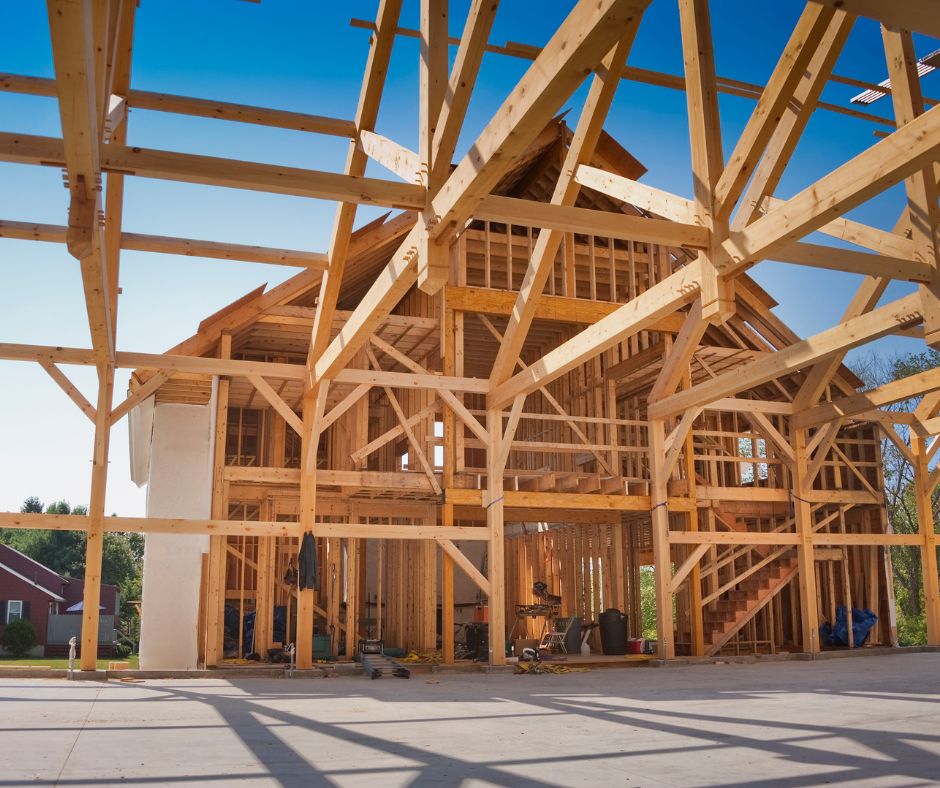 Assessing Construction and Builder Reputation
Another merit of having an agent by your side is their acumen in assessing construction standards and the reputation of builders. They maintain a wealth of information on the track records, client reviews, and building norms of local contractors. Such insights can steer you away from potential pitfalls and towards a builder renowned for exceptional work.
Customization and Upgrades
Furthermore, a neighborhood realtor can also assist you in tailoring your new home to your needs and in identifying areas for improvement. They can walk you through the modification options, advising you on strategies for maximizing your home’s future resale value.
Understanding Builder Contracts
Navigating the complexities of contracts and negotiations with builders is another area where a real estate agent’s expertise comes into play. Builder agreements often vary from conventional home-buying contracts, and a Century 21 real estate professional can demystify these documents for you. They also excel in negotiation, enabling them to represent your interests effectively and secure favorable terms, upgrades, or other incentives.
Conclusion
To sum up, the assistance of a qualified Century 21 realtor can bring your dream home within reach. Partnering with a local agent can give you the confidence you need to successfully navigate the challenges of purchasing a brand-new property.
Navigating the Home Buying Process as a First Time Buyer
Are you ready to take the plunge and buy your first home? It’s an exciting but nerve-wracking experience! The process of purchasing a house includes lots of decisions, research and paperwork. All kinds of things like mortgage rates, credit score, down payment and closing costs must be taken into account when deciding to get yourself a new property. In this blog series we will go over all aspects necessary for becoming a successful first time homeowner – what do you need to consider before taking such big leap in life!?
Understanding Home Buying
Diving into the home-buying process can be a daunting task, especially for first-time buyers. It’s important to make sure you become familiar with all of the details before making any purchases or signing contracts. To ensure that you’re able to make an informed decision, understanding each step in the purchase and ownership journey is key. Start your research by looking at different types of homes that are within your budget and match what you need!
It’s time to start thinking about where you’d like to live. How much space do you need? What kind of area would be best for your lifestyle – maybe some local amenities such as a pool or park are important factors in your decision making. There may also be other considerations that could impact what type of property is right for now and into the future. Once you figure out exactly what it is that fits with all those desires, then it’s time to get out there and check out potential options in person!
 It’s absolutely crucial for purchasers to carefully inspect each property in the presence of an experienced real estate agent who can give invaluable advice on any possible faults like structural problems or past maintenance issues that may not be observable during a walk-through. While visiting homes directly, take account of points such as natural lighting around windows and closets throughout the house plus how appropriate every room is going to be for its intended reason like bedrooms being big enough to contain furniture positioning or bathrooms having decent storage area etc. Could this bedroom hold my wardrobe? Will I have enough closet space in here? These are some questions you should ask yourself when viewing properties!
Once you’ve identified the property that fits your needs, it’s important to get pre-approval from a lender before making any offers. This will ensure buyers know exactly what they can afford and avoid potential financial issues down the road due to unexpected costs associated with real estate purchases like taxes, insurance fees, repairs etc. It is also wise to research local laws regarding zoning building codes homeowner association rules & regulations prior signing off on anything legally binding related real estate purchases since these items may affect future resale value if needed at some point in time further down the line should you wish to sell after closing date has passed.
Qualifying for a Mortgage
As a first time home buyer, getting qualified for a mortgage can be quite terrifying. A number of people wrongly think that you must have ideal credit scores and noticeable income to get approved for the loan; however, this is not always accurate. In truth, there are numerous choices available to those who may not possess outstanding credit rating or large salary but still want to own property. What other options do these individuals have?
Talking to a qualified loan originator is the initial step when you are aiming for mortgage. You have got to provide them with evidence of your income like copies of tax returns, pay stubs, bank statements and any other type documents that could prove you can afford taking on monthly payments toward owning your home. What kind of proof do they need?
It’s essential to be ready with answers when you’re asked about your work experience and how long have you been at your present job. This will help lenders know if the occupation is stable which means that monthly payments can easily be made timely.
Besides having documents of income proof handy while applying for a loan, it’s also vital to comprehend what kind of credit works ideally for one’s financial condition. Are there certain kinds of loans better suited than others according to individual circumstances?
When it comes to financing your first home purchase there are several loan options available. For example, FHA loans require just a small down payment and VA loans offer 100% of the costs if you served in the military or have certain disability ratings from The VA Department. Conventional fixed-rate mortgages and adjustable rate mortgages (ARM) also provide lower initial rates but can come with more risk depending on market conditions during repayment period – so be sure do some research before committing!
To make qualifying for a mortgage less daunting, start by understanding what type best suits your finances then get ready to submit proof of income when meeting potential lenders; taking these steps will help ensure success as a first time buyer!
Calculating Mortgage Rates
Figuring out the mortgage rates for first-time home buyers can be a tricky and intimidating undertaking. There are various elements to bear in mind when trying to discover the top rate for a loan. The most critical element is how strong or weak the housing market currently is, which will significantly influence your chances of obtaining an inexpensive rate. Additionally, current interest levels, credit scores and loans-to-value ratio also have an effect on what your final rate ends up as.
To start understanding how they calculate mortgage rates it’s essential that you get familiar with lenders assessing risk tiers whilst evaluating prospective borrowers – this may result in higher or lower charges depending on their individual judgement
When it comes to getting a loan, the lender will usually assess your ability to pay. This assessment almost always involves taking into account an individual’s credit history and score in order for them to determine whether they qualify for that particular type of loan or not as well as the rate associated with their borrowing costs. Generally speaking, higher scores result in lower interest rates while lower ones often come at greater cost when borrowing from lenders. It makes sense too – after all why should people who have proven responsible enough take on debt receive less favorable terms than those who haven’t?
The size of the loan you are looking to take out in comparison with the property value (LTV) affects your mortgage rates. This helps lenders decide if they will lend money for your purchase, giving them peace of mind that there is enough security should anything happen and you can’t pay back – such as loss or illness caused by joblessness. So it’s essential that these factors be taken into account when choosing a rate plan! Have you considered all those things?
Generally speaking, loans with high LTV ratios tend to carry higher associated costs due to their increased risk level. So if you want better terms it may be wise to put more money down up front in order reduce this ratio and increase your chances of securing better terms with more attractive interest rates. What’s more, market forces also play an important role in determining mortgage rates as these have a direct effect on how much lenders charge borrowers overall regardless of their individual circumstances such as credit history or LTV ratios etc.. Generally when economic conditions are strong lending institutions offer lower fixed-rate mortgages because they can afford do so due the presence of increased competition amongst themselves; meanwhile during recessions demand tends drops resulting fewer customers competing over limited pool funds thus meaning that fixed-rates may rise accordingly depending upon specific lender offerings at given times throughout business cycles.
Improving Credit Score
Understanding the importance of a good credit score is essential for first-time home buyers who want to get a loan and purchase their very own house. Improving your credit rating is one way that you can increase your likelihood of getting approved for mortgage financing, so it’s important to know what goes into calculating this number. Payment history, amount owed, length of time with those accounts – these are all elements that come together to create an overall impression. If you’re looking to boost up yours in order to impress lenders when applying for loans or mortgages then making sure bills are paid on time as well as maintaining a low debt-to-income ratio should be priorities; after all they’ll be taking both aspects into account when considering any applications!
It’s necessary to try and avoid taking out new loans or establishing lines of credit, if it can be managed, since this could reduce your score. It may require a bit of time for these steps to have an effect onyour overall rating however there are other tactics you might use in order to speed up the increase. Obtaining one free copy ogf your annual statement from each significant consumer bureau will make possible reviewing any mistakes that might be damaging your evaluation and then take corrective action accordingly. Plus using services like Experian Boost™ could help better certain features lenders assess when viewing you by adding positive accounts such as cell phone bills and bill payments onto already existing records which has potential of improving FICO® Score 8 over time – Wondering how effective is boosting?
Saving for Down Payment
Saving for a down payment can be one of the toughest parts when it comes to purchasing a home. It demands that you squirrel away large chunks of money over time in order to put together enough funds for the purchase, and this could look like an impossible mission from first-time home buyers’ perspective. But with careful organization and commitment, anyone has the potential to save up enough cash for their dream house’s down payment.
The next step is calculating how much needs saving based on your ideal budget plus local market conditions – what sort of prices are people buying homes at around you?
Taking into account the closing costs and other associated fees you need to pay in order to buy a house is crucial. Once that step’s been figured out, it’ll be time for you as a first-time home buyer to start saving up! A great way of doing this is by setting up an automatic transfer from your checking account into a savings one – create one specifically for buying the new place, if needed – on either monthly or paycheck basis; depending on when money comes in. Saving bits at regular intervals can make quite a difference over time!
Saving for a down payment can be made easier with automated transfers from your bank accounts. This way you don’t have to remember due dates or worry about missing them, and it helps make sure that the funds are going towards the goal every month without any effort on your part. Cash back rewards cards also provide an effective strategy when saving up – use these strategically throughout this process! Additionally, take advantage of employer sponsored benefits like matching contributions toward retirement savings (such as 401Ks).
Saving for a down payment may seem shocking initially, but luckily there are some effective ways to build up your savings quickly. Setting up automatic transfers each month is one of the most useful strategies since it’s convenient and provides tangible results almost immediately. Additionally, you can use cash back rewards cards or any employer sponsored benefits that help save money in order to get ahead faster; just make sure you track these efforts carefully so that tax time won’t throw any curveballs! Moreover, don’t forget about other “hidden” sources such as inheritances or gifts from family members which could also be used towards building budget-friendly savings – again however, remember to keep tabs on them too! In essence , although they might not bring instant gratification like automated transfers do ; if utilized intelligently and with caution then these approaches can still offer an invaluable boost when needed . All things considered , by implementing the aforementioned tactics – even first-time home buyers should find themselves on their way before long !
Understanding Closing Costs
Buying a home for the first time can be an exciting but overwhelming experience. It’s like standing on a crossroad: you feel both joy of taking this big step and trepidation at the same time. As a beginner in house-buying process, it is important to understand closing costs – these are fees that come with acquiring your new abode. Closing costs will generally include things such as title search and recording fees, credit report charges, appraisals/inspections supervisal payments; insurance premiums (hazard & mortgage ones); survey bills; document preparation fee and transfer taxes.
It’s important to know what your closing costs are going to be when taking out a loan for buying a home. This amount will vary based on the size of the loan, and also depends upon which state you live in as different tax laws can affect how much it’ll cost. Some lenders may require that you pay points or origination at closing in order to reduce interest rates – so make sure this is factored into your budgeting process before signing any agreements. Questions like ‘what taxes am I liable for?’ and ‘how does my property’s location play into fees?’ should be asked ahead of time just to give yourself an accurate idea of what kind of money we’re talking here!
When it comes to closing costs, they typically make up between two and five percent of a home’s purchase price. However this percentage can vary based on where you live or the type of loan you get. To eliminate any surprises at closings time, be sure to ask potential lenders about associated cost upfront so that your budget is ready before committing to any particular mortgage program or amount.
It’s also important to consider other minor expenses such as homeowner association dues (if applicable), prepaid property taxes or prepaid interest payments due when escrow closes; all those factors will have an impact on overall closure cost too . Therefore first-time buyers looking into purchasing their first house should take these extra fees into account beforehand in order for them not experience unexpected financial burden after signing off a mortgage agreement!
Finding the Right Home
Buying a home for the first time can be both exciting and overwhelming. It’s difficult to figure out where to start when there are so many choices and decisions that need making. If you want to find the right property, it’s best to learn as much about yourself and your needs before searching through homes on offer. This is key in helping you decide what type of property would suit you; whether single family or condo-style, plus which mortgage works within your budget?
When it comes to finding a place of your own, you’ll need to consider the amount of space and what location works best for you-near work or school, in an ideal neighborhood. Taking these details into account will help inform where and how much shopping around is necessary. It’s beneficial to kick off this process by doing some online research on listings that would be suitable options given your budget and preferences. From there visiting properties personally can give more insight as whether they are properly cared for and meet all of requirements such as proximity transportation access among other considerations raised earlier? This physical exploration might even answer any unresolved questions you have about potential places while also helping avoid unexpected costs post move-in if conditions weren’t up to par with expectations
If you’re unable to view homes in person, it’s crucial that you ask detailed questions before making an offer. Otherwise, there could be surprises down the road! Other costs such as closing fees and repairs/renovations should also be factored into your total budget for owning the home over time. Additionally investing in a pre-purchase home inspection is wise too; this way any potential issues with structural integrity or electrical/plumbing systems can be identified early on – saving thousands if repair work becomes necessary later! Lastly make sure all paperwork is reviewed thoroughly by legal counsel before signing anything off: tedious though it may seem, doing so will help save yourself from costly mistakes further down the line!
Securing Financing
For first time buyers, securing financing is a crucial step to buying a home. With so many loan options out there, it can be hard to know where to begin. An FHA Loan has often been overlooked by such buyers; however this government-insured mortgage could potentially make homeownership more affordable for those who meet the qualifications and requirements needed in order to get approved. Have you ever thought about an FHA Mortgage? It might just be right for you!
Generally speaking, borrowers must have a credit score of at least 580 to be eligible for an FHA loan. Furthermore, they need to possess enough income and maintain manageable debt-to-income ratios in order meet the requirement too. On top of that, there are several advantages FHA loans present compared with traditional mortgage products – including lower down payments (as low as 3%), more lenient credit score qualifications, not forgetting it typically costs less financially when closing on such deals than other types of mortgages? Impressive right!
Moreover, they are assumable – which means that if you decide to move before the term has ended, another buyer can take over your existing mortgage without applying or going through any qualifying process. This makes them attractive for those looking at long-term investments or potential resale value in future. It’s like having peace of mind for investing today and getting a good return later on! Do you want such an assurance?
One downside to FHA loans is that they usually carry higher interest rates than traditional mortgages. This extra cost comes from the fact that they are insured by the government, which adds more risk factors compared to conventional ones without any governmental backing/insurance protection. That means lenders have to charge a bit more for these types of loans in order protect themselves against potential losses on them. So it pays off to do some good research before making your choice between an FHA loan and other mortgage options available out there – even if you get lower rates elsewhere make sure you take into consideration all additional costs associated with such loan when doing comparison shopping so can properly evaluate whether or not this option makes sense for your particular situation
When it comes to FHA loans, there may be extra fees that don’t come up when applying for other types of financing products like conventional or VA loans. These could include appraisal fees and additional paperwork processing fees which add up depending on how much you borrow from your lender initially.
So while taking an FHA loan might have some drawbacks compared with other options out there – they still remain a viable option if you’re a first time home buyer looking to secure financing during the search process given their lower qualification requirements and potentially lower upfront costs too! It’s worth exploring this as one of your possibilities in order to make sure you get the best outcome possible overall.
Closing on the Home
Buying your first house is both thrilling and a bit daunting. After all, it’s not something you do every day – this could be the biggest financial decision of your life! To make sure everything runs smoothly when you close on the purchase, it pays to know what will happen during that period. The closing usually takes place at either a title company or an attorney’s office where everyone involved in the sale convenes: buyer, seller and real estate agents as well as lawyers who’ll oversee signing off all legal paperwork transferring ownership from one party to another.
Before we dive into the nitty gritty of buying a house, there are several steps that must be taken. First off is getting an appraisal for lenders to determine how much they can loan you based on your property’s value. It would be super wise to get homeowners insurance before closing so as soon as you take ownership of your new home, it’s covered immediately! Plus depending on where exactly in the world you live and what type lender financing option have secured for purchasing it might also require flood insurance too.
When going through the escrow period, which is between when a seller accepts an offer and closes it officially, buyers are provided with documents like title reports. These papers provide details about any liens that may be against the property as well as other possible encumbrances that could affect potential purchasers’ interest in investing in one particular house or condo unit. What should you look out for? Be sure to check all such factors before proceeding further!
It’s important to check any Homeowner Association (HOA) rules that may be in place if you’re buying a home. That way, there won’t be any surprises after the purchase when it comes regulations for common areas or noise levels, and even pet restrictions –if they exist at your new residence complex. Additionally, buyers should pay attention during this period because extra funds might need to cover taxes, transfer fees and title fees – just to name a few!
In order to make sure everything goes smoothly during closing day, it’s essential for buyers take copies of their loan documents with them along with proof of homeowner insurance coverage. Other items such as ID cards, tax returns and bank statements may be requested by lenders prior to funding being finalized. Although sellers are no longer required at closings like they used to due changes in industry practices over time, buyers should still bring cashier checks made out in the seller’s name just in case someone needs them present upon signing papers. Everyone involved should treat this event respectfully since everyone has worked hard up until this point towards ensuring a successful conclusion where the sale transaction takes place properly without any issues arising afterwards; both parties have concerns that could arise further down the road too far away from now anyway! It is important all parties clearly understand what is expected from each other before finalizing paperwork so nothing gets overlooked or forgotten about later on either party wishes regret something not explained previously worsen entire situation even more than already potentially done here today .
In conclusion, buying your first home can be a bit daunting – there seem to be so many things you need to think about. It’s essential that you do some research into the mortgage rates available, what kind of credit score is needed and much more such as down payments and closing costs. However, with careful preparation and investigation you will make sure this experience is an enjoyable one! Who doesn’t want their house-hunting process to turn out successful?
Are you on the hunt for a new home? Look no further! Find Your Dream Home Today is here to make your search more convenient and speedy. We’ve got an extensive listing of properties across the nation so you can find exactly what meets your needs without even having to leave the house. Just enter either a city, state, or zip code into our system and get connected with homes right away – all with just one click of a button. But if you’re after something more specific such as price range or number bedrooms/bathrooms then we’ve also got that covered too! So why wait any longer – take action now and move closer towards owning that ideal place today!
La Significación de un Agente Inmobiliario en la Adquisición de Tu Nuevo Hogar
Adquirir una residencia personalizada provoca emoción, llena de privilegios como opciones de diseño a medida y el prestigio de ser el primer propietario. Sin embargo, navegar por la complicada red de asegurar una estructura en sus etapas iniciales puede ser desalentador. Este dilema requiere la habilidad de un experimentado connoisseur de propiedades. Un informe de The Mortgage Reports elogia a un representante regional de Century 21 como el guía esencial para esta travesía. Dicho representante puede guiarte a través de la maduración del edificio, anticipar problemas y contrarrestar su oportuna resolución. Profundicemos en las innumerables formas en que este maestro de propiedades demuestra ser un valioso aliado en tu búsqueda de un nuevo hogar.
 Conocimiento Profundo del Mercado Local
 Conocimiento Profundo del Mercado Local
La sabiduría que un representante inmobiliario regional posee sobre el lugar y su mercado es inigualable. Su conocimiento abarca nuevos asentamientos y cambios infraestructurales inminentes que podrían influir en tus decisiones. Por ejemplo, podrían informarte sobre planes en desarrollo para construir una autopista junto a tu potencial retiro. Reflexionar sobre la evolución de tu vecindario antes de concretar tu adquisición es de suma importancia. Tu emisario de Century 21 puede dirigirte hacia un enclave que se alinee con tus preferencias, estilo de vida y visiones del futuro.
Expertise en Construcción y Reputación
Trabajar con un representante también te revela su habilidad en evaluar la integridad estructural y discernir la credibilidad de los constructores. Su amplio conocimiento de los constructores regionales proporciona información sobre sus antecedentes, satisfacción del cliente y metodologías de construcción. Esta iluminación te permite evitar trampas y dirigirte hacia artesanos reconocidos por su destacada artesanía.
Personalización y Mejoras
Además, este experto inmobiliario regional puede iluminarte sobre ajustes personalizados y mejoras para tu residencia. Pueden navegar por el laberinto de personalización, ofreciendo consejo sobre cómo aumentar el valor duradero de tu hogar. Su maestría asegura una asignación de presupuesto juiciosa, destacando aspectos que prometen una máxima apreciación del capital.
Entendiendo Contratos y Negociaciones
Descifrar la esotérica de los acuerdos de construcción y las sutilezas de la negociación puede ser confuso, especialmente cuando se desvían de los pactos convencionales de adquisición de viviendas. Un representante de Century 21 puede aclarar estos documentos intrincados, garantizando que comprendas completamente sus estipulaciones. Con su aguda habilidad de negociación, pueden defender tus intereses, obteniendo potencialmente mejores términos, mejoras o incentivos durante tu viaje.
Conclusión
Para concluir, la sabiduría y orientación ofrecida por un representante regional de Century 21 puede materializar tu hogar soñado. Es prudente establecer contacto con un experto en tu región, garantizando una confianza inquebrantable en la adquisición de tu nuevo edificio.
The Value of an Agent When Buying Your New Construction Home
Purchasing a newly constructed home can be an exciting experience, offering numerous benefits such as customization options and the pride of being the first owner. However, navigating the complexities of buying a home under construction can feel overwhelming. This is where the expertise of a skilled real estate agent becomes indispensable. According to an article from The Mortgage Reports, a Century 21 local real estate agent is the key to successfully navigating this process. They can guide you throughout the construction process, help predict and resolve any potential issues that may arise. Let’s take a closer look at how a local real estate agent can be an invaluable resource in your search for and purchase of a new home.

One advantage of working with a local real estate agent is their in-depth knowledge of the local area and market. They are well-versed in the emerging communities and upcoming developments that may have an impact on your decision. For instance, they can provide crucial information if there are plans to construct a highway behind your prospective backyard. It is essential to consider how the neighborhood and surrounding area may evolve before finalizing your home purchase. Your Century 21 agent can assist you in finding a community that perfectly suits your preferences, lifestyle, and future needs.
Another benefit of working with an agent is their expertise in evaluating construction quality and builder reputation. They have a deep understanding of local builders and can offer insights into their track record, customer satisfaction, and construction practices. This knowledge can help you mitigate potential risks and choose a builder known for delivering high-quality homes.
Additionally, your local real estate agent can assist you in customizing your home and making upgrades. They can guide you through the customization process and provide advice on how to add long-term value to your home. Their expertise allows you to allocate your budget to areas that will yield the greatest return on investment.
Understanding builder contracts and negotiations can be challenging, especially when they differ from traditional home purchase agreements. A Century 21 local real estate agent can help you navigate these contracts, ensuring you fully comprehend the terms and conditions. They are also skilled negotiators who can advocate on your behalf, potentially securing better deals, upgrades, or incentives throughout the process.
In conclusion, the guidance and expertise of a Century 21 local real estate agent can turn your vision of the perfect home into a reality. It is recommended that you connect with an agent in your area to feel confident in purchasing your new construction home.


