Real Estate Newsletter May 5, 2022

Boletin en Casa eNewsletter: May 2022 [Sellers]

HeaderDesign Element 1MAYO 2022 | ¿QUÉ HAY EN ESTA EDICIÓN?

» ¿Qué es lo más deseado por los compradores en 2022?
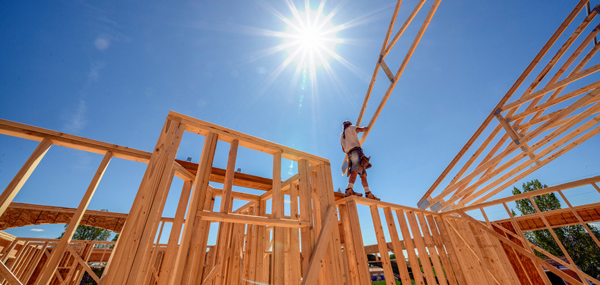
» Tendencias en la construcción de nuevas viviendas para tener en cuenta

» Para que su jardín tenga un gran comienzoDesign Element 2What do buyers want most in 2022?¿Qué es lo más deseado por los compradores en 2022?

Aunque el mercado de viviendas sigue siendo competitivo, sería un error suponer que las listas de deseos de los compradores carecen de importancia. En el caso particular de las casas de presupuesto medio y alto, saber con qué sueñan los compradores sigue siendo vital para obtener más dinero en la venta.

Hemos estado analizando las ideas más recientes, y compilamos algunas de las principales prioridades de los compradores potenciales en 2022.

Piscinas y vistas impresionantes

Según los expertos de Realtor.com® los visitantes dedican mucho tiempo a admirar casas en venta con algunas características de lujo. O sea, con piscinas privadas y vistas impresionantes. Aquellos que pueden permitirse estas comodidades quieren disfrutarlas en la privacidad de su propio hogar. ¡No hay necesidad de preocuparse por las multitudes ni las crisis de salud pública cuando las tenemos para uso estrictamente personal!

Una casa lista para instalarse tiene sentido

El mismo informe también destaca la popularidad de términos como “techo nuevo” y “cocina actualizada”. Si bien las propiedades “llave en mano” siempre han sido populares, existe una presión adicional en 2022 para que el proceso de mudanza fluya fácilmente. Los trabajos de construcción y remodelación previa siguen contando con gran respaldo, pues nadie desea quedarse atrapado esperando por renovaciones en una casa insatisfactoria.

Las pequeñas cosas marcan la diferencia

Por supuesto, no podemos lograr que una vista al mar aparezca de la nada. Y generalmente, una renovación importante o la instalación de una piscina quedaría fuera del presupuesto. Afortunadamente, hay características más asequibles que también interesan a los compradores. Según el sitio web Stucco.com, son las siguientes:Un espacio para lavandería bien diseñadoIluminación exterior de calidadVentiladores de techoPatioElectrodomésticos con clasificación ENERGY STARTrends to note in new home constructionTendencias en la construcción de nuevas viviendas para tener en cuenta

El inventario de viviendas en los Estados Unidos se ha mantenido en disminución obstinada desde el comienzo de la pandemia. En marzo de 2022 solo se reportaron 381,950 listados activos.

La construcción de nuevas viviendas se considera un factor vital para mejorar estas cifras rezagadas. Así es como se ve la situación para ese sector en 2022.

2021 terminó con una nota optimista

En diciembre de 2021 se comenzaron a construir alrededor de 1,7 millones de viviendas Una mejora del 2,5% en comparación con el año anterior.

Sin embargo, los inicios de construcción de viviendas se comportaron de manera desigual en todo el país. El Centro Oeste y el Nordeste, que cuentan con los mercados de vivienda metropolitana más asequibles en este momento, experimentaron grandes aumentos: 22% y 112% respectivamente. Sin embargo, tanto el Sur como el Oeste registraron descensos.

Persisten los desafíos en la cadena de suministros

Aparte del comportamiento de las construcciones, la escasez de materiales y la carencia de mano de obra han convertido la terminación de nuevas viviendas en un obstáculo aún mayor. La falta de componentes esenciales como puertas de garaje y unidades de aire acondicionado ha impedido que muchas viviendas casi concluidas pasen a la columna de “terminada”.

Las interrupciones de magnitud global en la cadena de suministros no se solucionan rápidamente. Por lo tanto, es probable que nos quedemos atrapados esperando por un tiempo más, antes de que el nuevo inventario de viviendas llegue al mercado en grandes proporciones.Getting your garden off to a great startPara que su jardín tenga un gran comienzo

¡Estos son algunos consejos para que su jardín funcione maravillosamente en mayo!Riéguelo todo, especialmente si el clima es seco.Siembre verduras de clima cálido al aire libre.Manténgase al tanto del deshierbe para evitar una invasión al césped en la medida que aumenta la temperatura.

Real Estate Newsletter May 2, 2022

Real Estate News May 2022

REAL ESTATE NEWS
How to Avoid Homebuyer’s Remorse in a Hot Market decorative image Buying a home is almost always a great investment, and of course it’s exciting to find and close on a home that you will get to call your own. That feeling of joy and confidence can fade quickly though if certain things are overlooked during the process. 43% of homeowners have at least one regret about buying their home, and that number jumps to 64% for millennials, according to a recent Bankrate survey.

Here are a few tips for ensuring your home purchase is regret-free.

Happy Homebuyer

Get to know the neighborhood
Don’t let your enthusiasm for a home run away with you. Before making an offer, plan on touring the neighborhood several times. If you see folks outside, stop and chat with them. We’ve found that neighbors love to talk about the neighborhood and will share both the good and the bad.

Do some research on local schools. Even if you don’t have school-age children and don’t plan to, buying in the best school district you can afford is a smart move. Homes there hold their value better and are easier to resell.

Consider other factors like crime rate, commute times, and distance to other things that are important to you like parks or restaurants. These things will have a big effect on how you feel about your new home once you are actually living in it.

Be patient
There’s no getting around it – the market is hot and buyer competition is fierce. In these conditions it can be tempting to snatch up any home that is halfway decent just to be done with it. Unsurprisingly, homes bought with that rushed mentality don’t always live up to their hype down the line.

Even if things are moving quickly, make sure you take the time to examine the details, get a home inspection, and think about what you really want in your home. Keep an eye out for red flags and be okay with walking away if a home does not meet your standards. Buying a home is a huge financial decision, and not one that should be rushed!

Remember your budget
Bidding wars are all too common, but it’s important to balance what you want with what you can afford. A bank may approve you for more than you want to spend every month, but outspending your budget will not improve how you feel about your home purchase down the line. It’s up to you to know what your true budget is, and factor in future maintenance costs, insurance, etc.

Work with experienced professionals
Working with a team you trust can help you avoid major regrets. Pick an experienced mortgage lender and loan officer that will help you evaluate all your options. Choose a knowledgeable real estate agent who listens to your needs, knows the area well, and will negotiate with sellers to get you what you need – I pride myself on these traits and would love to demonstrate my value to you.

Conserve Water on Your Spring/Summer Landscaping decorative image Now is the time of year when lawns come out of dormancy – a time many gardeners eagerly await. This is also the time of year that we trade large heating bills for sometimes equally large water bills. As you consider your gardening plan this spring, why not resolve to use less water?

We use a lot of water
The US Environmental Protection Agency claims that, across the country, watering our landscaping accounts for nearly one-third of all residential water use, totaling nearly 9 billion gallons per day. In addition, some experts estimate that as much as 50 percent of water used for irrigation is wasted due to evaporation, wind, or runoff caused by inefficient irrigation methods and systems.

Watering Garden Start with the lawn
Sure, a lush, green lawn can increase a home’s curb appeal, but if you plan to stay put for a while, you can consider reducing your lawn’s size by replacing some areas with mulch or hardscaping. To maintain size, but reduce water usage, you can replant with a less thirsty variety of turfgrass and/or not cut your grass so short. Longer grass promotes deeper root growth, resulting in a more drought-resistant lawn, reduced evaporation, and fewer weeds.

Water more efficiently
Water your lawn before 10 a.m. for max efficiency. ThisOldHouse.com recommends watering between 4 a.m. and 6 a.m. “At this cool time of day, it’s less likely the moisture will evaporate before your grassroots can absorb it from the soil,” they explain.

Plant early
Planting new plants in spring (vs. summer) gives them numerous advantages. Milder conditions are less harsh on the young leaves and buds, and lower temperatures require less water for the plants to get established.

Go native
Choosing plants native to your area is another way to save effort and water. Native, drought-resistant plants require less maintenance and less water once established and have the added benefit of providing habitats to beneficial pollinators and soil organisms.

Conserving water doesn’t mean you have to convert your yard into a rock quarry. Making some minor changes can reduce landscape water use but still leave your property looking beautiful and alive.

Real Estate Newsletter April 17, 2022

The Freelancer’s Guide to Getting a Mortgage

When freelance careers take off, they can become very lucrative. Freelancers have the power to set their own rates and hours, which means that once they enter the right corner of the market, their income potential can take off. Despite this, however, many freelancers have trouble getting pre-approved for a mortgage. The good news is that getting a mortgage as a freelancer isn’t impossible; however, you may have to jump through a few extra hoops. Here, the freelancing experts at CENTURY 21 Jordan-Link & Company share the following tips to help you navigate this process.

Home-Buying Basics

If you’ve never bought a home, or it’s been several years, take a look at this foundational info.

  • There’s a lot that goes into buying a home beyond the costs. Familiarize yourself with the details involved before you decide to take the leap.
  • This article breaks down the different types of mortgages.
  • Next, get a clear idea of what documentation is required from freelancers looking to mortgage a home.

Will You Qualify?

Most lenders require specific information to ensure freelancers are a good bet:

  • It’s unlikely you can qualify for a mortgage if you’ve been in business for less than a year; however, if you have at least a year, it’s possible.
  • If you’ve been on the job long enough, you’ll still need to prove income through bank statements and tax documentation.
  • Some lenders will require a larger down payment from freelancers since they’re seen as a riskier investment.

Potential Obstacles

Here’s a look at some common issues you may face during this process:

  • If you don’t have a separate business bank account, it could make it harder for lenders to track your income.
  • Your year-to-year profits should, ideally, be going up. If they’ve fluctuated, you may need to have more years on the job to prove you’re a good bet for the lender.
  • An as-is home can seem like the perfect opportunity, but there could be landmines here. Consult with your estate agent to determine whether you should buy a house as-is.
  • Your pre-inspection report could reveal that your dream home is riddled with issues, which could make it harder for your lender to agree to a loan.

Lenders understand that there are inherent risks to freelancing careers, and they respond accordingly when it comes to mortgages. However, that doesn’t mean that you can’t get a home loan. We hope this article helps you figure out the steps you need to take to show the bank that you can afford the house you’ve been dreaming of!

CENTURY 21 Jordan-Link & Company is the largest locally owned real estate covering Tulare, Kings, Kern, Fresno & San Luis Obispo counties with over 280 Realtors® and staff available to assist you in offering a one-stop resource for all your real estate needs. We have four centrally located offices in Visalia, Hanford, Porterville & Bakersfield, serving the entire area with the finest in real estate brokerage services. A Fine Homes and Estates Division, Commercial Division, Farm & Ranch Division and a full-time Relocation Department connected to 6,000 offices, the CENTURY 21® System is the leader worldwide! For more information, please visit our website or contact us today!

GeneralReal Estate Newsletter April 2, 2022

Inflation and Real Estate

Inflation and Real Estate 2022: How Prices are Affected – Tips & Insights [Latest Update

How Does Inflation Affect Home Prices? decorative image If you’ve followed the news lately, you’ve probably seen quite a bit about inflation. The consumer price index jumped 0.8% in February, bringing the total increase over the last 12 months to 7.9% – this is the largest annual jump in the last 40 years.

So, how does all of this affect the real estate market?

Inflation

The Inventory Issue
Interest rates have been kept low for so long it’s created a bubble for everything and not just the housing market. There’s also inflationary pressure on the housing market because of limited inventory. Limited inventory stems from a myriad of problems in the industry.

First, many homeowners aren’t putting their houses on the market. This is due to factors like lockdowns, but also the fear they won’t be able to find a new home to buy.

There are construction delays due to supply chain bottlenecks as well.

Low inventory means buyers are often having to put in bids well above asking to get properties, creating a frustrating situation, to say the least.

Other Inflationary Effects On Real Estate
There are a few other ways inflation can influence how much you pay for a home.

First, inflation is a reference to a rise in the price of everyday goods. Those everyday goods are used to build homes. If the price of things like lumber and appliances go up, then the builder will pass those additional costs onto the buyer in the form of higher prices.

In some cases, however, inflation can have oppositional effects on real estate. If inflation rises, then theoretically, money should become more expensive to borrow. People borrow less of it, so there are fewer home purchases and that can lead to lower prices.

Real Estate Can Protect You Against Inflation
While real estate can be negatively affected by inflation in the form of higher prices, it can also protect you from its effects.

As home prices go up over time, you’re lowering the loan-to-value of your debt. You’re simultaneously increasing your equity, but your fixed-rate mortgage payments will stay the same.

If you’re a real estate investor earning income from rental properties, then you’re likely going to be able to charge higher rent when inflation is up. You can adjust the rent while the mortgage stays the same.

The relationship between housing and inflation can go in both directions. If you’re a buyer right now, inflation isn’t good news, but if you own a home, it can be one of the best ways to protect yourself against rising prices.

Disaster Prep: Do You Have a Home Inventory? decorative image Disaster can strike anytime, anywhere.

Last year, for instance, aside from experiencing a pandemic, the U.S declared 58 disasters which caused billions of dollars in damage, according to the Federal Emergency Management Agency (FEMA).

Inventory List Especially during the aftermath of hurricanes, we learn just how many Americans lack hazard insurance. Those who did have it faced the challenge of trying to figure out how to tally up their losses. It’s not easy to recall everything one owns, especially when confronting devastation. Then, there are the other losses a homeowner might face, such as those from theft and fire.
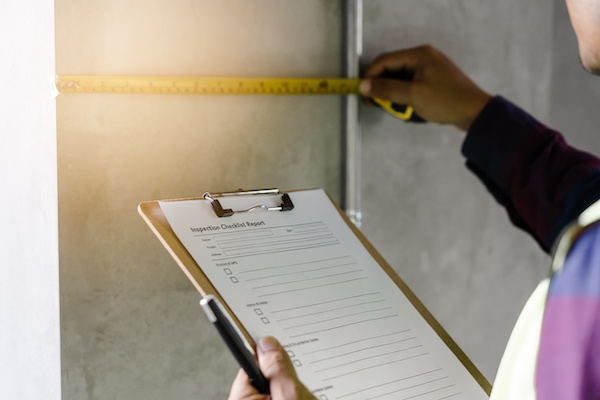
Being prepared will help to avoid delays in receiving an insurance payout should you someday face a disaster.

Dig Out your Homeowner Insurance Policy
If you’re like many of us, it’s still in the sealed envelope in which it arrived in the mail, shoved into a box or bin of “important papers.”

Get to know exactly what coverage you have and how to submit a claim should the unthinkable happen.

Then, create an inventory of your belongings. Many people choose an old-fashioned checklist (such as the one offered by NYCM Insurance or at Allstate.com), while others use video (narrated with the necessary information), or photographs labeled with the information that insurers require when considering a claim.

Information required by insurers: Each item’s description and the quantity (ex: 2 sterling silver candlesticks) Name of the manufacturer (ex: Tiffany & Co.) Make/model/serial number The date (or estimated date) of purchase Where the item was purchased The appraised value of each item (or an estimate) If you can’t find the written appraisal for any item, jot down the name and contact information of the appraisal company and the date the items were appraised. Keep your Inventory Safe
It’s important to find a safe spot, off-site, to store your inventory. You may choose to store it in the cloud with a backup service or save money by backing up the information to a USB drive and then placing it in a safe deposit box.

Tips from the Experts
The Insurance Information Institute recommends that you include possessions that are stored somewhere else (like a storage facility) in your inventory. Keep all receipts and copies of appraisals with your inventory. Keep a count of each item, such as “5 long-sleeve shirts, 7 pairs of sneakers…” Break your inventory-taking into chunks. If you try to do too much of it at once, you may become overwhelmed and drop the project. Finally, run the inventory by your insurance agent to ensure that you have enough coverage. The time to get clear on your insurance coverage is before a disaster strikes.

GeneralReal Estate Newsletter March 27, 2022

Winter Home Prep & Curb Appeal

Selling your home this spring? Here’s your winter to-do list

decorative image Planning to sell your home this spring? While this winter is expected to bring a record-breaking number of buyers to the market, spring will bring more inventory and more competition.

Why wait until just before your home goes on the market to prepare it? There are plenty of things you can do right now that will cut down on the time and effort you’ll need to spend in the spring.

Inspection

Have your Home Inspected

One of the most common reasons a home sale falls apart or is delayed is because of problems that the buyer learns about after the home inspection. Typically, price negotiations will reopen, but if the problems are beyond the buyer’s budget, they may just walk away from the deal.

If you have your home inspected now, you will not only avoid unpleasant surprises in the middle of the transaction, but you’ll have the rest of winter to get any repair projects out of the way. Chip away at these projects steadily and by spring your home could be in good shape.

The pre-listing home inspection isn’t a must, but if you’re concerned about any problems the home might be hiding, it’s best to bring them to light now.

Get a Head Start on Curb Appeal

Most landscaping tasks will have to wait until spring, but if you have inside space and a sunny window, you can get a head start by growing your own flowers from seed. Just wait until after the last frost to plant them outside.

You can also consider touching-up any chipped paint on doors and trim, creating an outdoor seating area, or updating your front door hardware. Replacing a ratty mailbox, installing new house numbers, and purchasing a new front porch doormat are other great ways to spruce up your curb appeal over the winter months.

Invest in Buyers’ Favorite Features

You know those weekends when it’s just too cold and miserable to leave the house? What better way to pass those gloomy days, than by adding some nice touches to the interior and exterior of your home.

The National Association of Home Builders surveyed prospective home buyers and learned that the top two desired features in a home are a laundry room and exterior lighting. A whopping 87% of home buyers will appreciate an investment you make in either of these areas.

How to get started? For your laundry room (or nook or closet), take this opportunity to add function. Consider adding a shelf, storage cabinet, or a wall-mounted drying rack.

As your luck would have it, wireless lighting has come a long way thanks to advancements in power and power storage technologies. Does your home have a path that could some extra visibility? A side yard that could use a motion sensor light? Shine some light on those darker areas to delight prospective buyers.

House prep may be less appealing than bingeing your favorite TV shows all winter, but doing some legwork now will help to ensure that your home will be the star of the spring real estate market.

The Germs are Coming from Inside the House

decorative image We encounter a host of germs every day, from bacteria and parasites to, yes, viruses, and the battle against them begins at home. Grab some disinfectant wipes, and let’s break down the germiest items in your home.

Kitchen & Bath

Studies of germs in American homes find, unsurprisingly, that the kitchen is the most germ-ridden room. The biggest offender: your trusty sponge. Sponges can contain millions of bacteria and can quickly spread it over every surface in your kitchen. Using a paper towel or disinfectant wipe is a more effective method to clean countertops and other hard surfaces.

In the bathroom, the toothbrush holder is the biggest germ culprit, meaning yes, it’s more germ-ridden than the toilet. Yuck. Cleaning your toothbrush holder weekly will help cut back on germs and give you peace of mind when polishing your pearly whites.

Another surprising bathroom germ culprit: faucet handles. Yes, even diligent hand-washers are at risk, as the faucet’s handles are more infested with germs (especially e. coli) than the toilet. Leave a tub of disinfecting wipes near bathroom sinks and urge family members to wipe down the faucet and handles after they use them.

The Office

Clean those keys Your keyboard is full of cooties. Well, not exactly, but you may never look at a keyboard the same way when you learn that it’s dirtier than your bathroom. A study by the International Journal of Environmental Research and Public Health found bacilli, staphylococci, streptococci, and micrococci, among other germs, on keyboards in the home.
Researchers recommend disinfecting the keyboard (and other electronics) at least once a week with an alcohol wipe or solution with 60-80% concentration. Alcohol evaporates quickly, avoiding potential electronic damage from excess moisture.

Living Room

Clean that clicker! We’re willing to bet that not many people sanitize the TV remote, but they should. It’s the second germiest electronic in the average household (laptops being the first), which makes sense when you think about how many hands touch it on a regular basis. Use disinfecting wipes to sanitize your remote at least once a week. You’ll find a list of disinfectants on the U.S. Environmental Protection Agency’s website.

GeneralReal Estate Newsletter March 26, 2022

Solar Panels & Home Value

Solar Panels & Home Value: What Central California Homeowners Need to Know


Considering solar panels for your Central California home? You’re not alone. Energy efficiency is a growing priority for homeowners, and solar power offers significant savings. But beyond the monthly utility bill, how do solar panels truly impact your property’s value when it’s time to sell?

At Century 21 Jordan-Link & Co., your trusted local realtor in Central California, we’re here to provide clarity. This guide breaks down how solar panels can boost your home’s worth and what you need to know, whether you’re buying or selling a solar-equipped property.


Do Solar Panels Really Increase Home Value?

Yes, they often do! Numerous studies show a positive correlation between solar panel installations and increased home value. According to a 2019 Zillow Economic Research report, homes with solar-energy systems sold for an average of 4.1% more than comparable homes without solar power. For a median-valued home, that can translate to an additional $9,274 or more.

The adoption of solar power is rapidly expanding across the U.S., with Pew Research indicating that nearly half of all homeowners are considering residential solar. High demand naturally makes a property more attractive, potentially leading to faster sales and higher offers.


Location Matters, Especially in Central California

While solar panels offer benefits nationwide, their impact on home value can vary significantly by region. In sun-rich areas like Central California, where energy costs can be a significant factor for homeowners, solar panels often provide a greater boost to property value. The strong demand for energy-efficient homes in our local market means buyers are often willing to pay a premium for properties that already have solar installed.

As your local realtors in Visalia, Porterville, Bakersfield, Hanford, and Fresno, we’ve seen firsthand how an owned solar system can differentiate your listing and attract eco-conscious buyers in our communities.


Owned vs. Leased: What Buyers and Appraisers Look For

This is a critical distinction that directly impacts whether your solar panels add value to your home’s appraisal. When you sell, the appraiser has the final say on the home’s worth, and their assessment of the solar array depends heavily on its ownership structure.

According to Fannie Mae appraiser guidelines, the most common scenarios include:

  • Owned Panels: If you fully own your solar panel system, it can be included in the appraised value of the property. These are considered a permanent improvement, similar to a new roof or a renovated kitchen.
  • Leased Panels or Power Purchase Agreements (PPAs): If your solar panels are leased or covered by a PPA, they typically may not be included in the appraised value of the property. In this scenario, the solar system is generally considered personal property of the solar company, and the lease must either be paid off or transferred to the new buyer.
  • Financed as Personal Property: If the solar panels are financed as personal property (with the panels serving as collateral for the loan), they will not increase the value of the home’s appraisal.
  • Financed as Fixture to Real Estate: Panels financed as fixtures (permanently affixed to the property) can be used in the appraisal, but only if they cannot be repossessed if the seller defaults on the financing agreement.

Practical Tips for Central California Homeowners

Whether you’re looking to sell a home with solar or buy one, here are some key considerations:

  • For Sellers with Solar:
    • Own Your System: If possible, owning your solar system outright will yield the greatest return on investment and simplify the selling process.
    • Have Documentation Ready: If you have a lease or financing agreement, be prepared to provide all terms and energy savings data to potential buyers and their lenders. Clarity smooths the transaction.
    • Highlight Savings: Emphasize the long-term energy cost savings to prospective buyers.
    • Get a Local Market Analysis: Consult with a local realtor from Century 21 Jordan-Link & Co. to understand how solar specifically impacts values in your neighborhood.
  • For Buyers Considering Solar Homes:
    • Ask About Ownership: Always clarify whether the solar panels are owned, leased, or financed.
    • Review Lease/PPA Terms: If the system is leased, thoroughly review the terms of the agreement, including monthly payments, escalator clauses, and transferability.
    • Consider System Age & Efficiency: Newer, more efficient systems will typically add more value.
    • Work with a Knowledgeable Realtor: Your local real estate expert can help you navigate appraisals, financing, and ensure you understand all aspects of a solar-equipped home.

Frequently Asked Questions About Solar Panels and Home Value

Q: Do solar panels really increase a home’s value?

A: Yes, studies show that homes with owned solar panels can sell for up to 4.1% more than comparable homes without solar. They make properties more attractive to eco-conscious buyers and reduce long-term energy costs, especially in sunny Central California.

Q: Is it harder to sell a house with solar panels?

A: No, not if the solar panels are fully paid off and owned. Homes with owned solar systems often sell faster and at a premium price. If the system is leased, having clear documentation and a plan for transfer can streamline the process.

Q: How much value does solar add to a home in Central California?

A: In Central California, solar panels can add an average of $10,000 to $15,000 to a home’s resale value, though this depends on the system size, energy savings, and specific market demand in your immediate area.

Q: What happens to my solar lease if I sell my house?

A: If you have a leased solar system, the lease must either be paid off before closing or transferred to the new buyer. Your realtor can help facilitate this process and ensure all terms are clear.

Q: Are buyers interested in homes with solar panels?

A: Absolutely! More buyers today are actively looking for energy-efficient homes. Solar panels not only lower utility bills but also signal environmental responsibility, making your property stand out in the competitive Central California market.


Key Takeaways for Homeowners:

  • Solar panels generally increase home value, particularly if owned.
  • Location and local market demand are crucial, with Central California showing strong interest.
  • Understanding ownership (owned vs. leased) is vital for appraisal and sale.
  • A knowledgeable local realtor is essential for navigating solar home transactions.

Ready to explore the value of solar for your Central California home?

Whether you’re looking to sell your solar-equipped property or purchase an energy-efficient home, the team at Century 21 Jordan-Link & Co. has the local expertise you need.

Contact us today for a personalized market consultation! We’re here to help you maximize your property’s worth and make informed real estate decisions.