

 Facebook
 X
X
 Pinterest
 Copy Link
Tax Lien Investing

Tax Lien Investing Tips for Beginners
Ready to dive into the world of tax lien investing? It’s a unique way to earn returns. When property owners don’t pay their taxes, you can step in. You’ll buy tax liens and earn interest when they pay up. Imagine owning a piece of the pie without buying the whole cake! But remember, it’s crucial to do your homework. Check out the property first. Not every deal is a gold mine. Watch out for hidden costs and conditions. Auctions are your playground for buying tax lien certificates. Whethaer online or in-person, each has its own set of rules. Be ready for some friendly competition!
Key Takeaways
-
Tax lien investing lets you earn interest on unpaid property taxes.
-
Property tax liens are auctioned off online or in-person.
-
Always research property conditions and neighborhood values before buying tax liens.
-
The tax lien sale process can vary by location, so know the rules.
-
Be ready to handle foreclosures and property management in your tax lien investments.
Understanding Tax Liens
Peeling back the layers of tax lien investing unveils a world full of potential. Property tax liens provide a unique chance to invest in real estate without direct ownership. But it’s not all sunshine and rainbows. This venture demands a sharp eye for detail and a knack for understanding local laws. Every tax lien sale brings its own flavor, shaped by jurisdiction and auction rules.
A humorous tale from a seasoned investor highlights this: He once won a lien on a “prime” property, later discovering it was a swamp! The moral? Always visit the property and dig deep into its history before jumping in.
For those curious about real estate and tech, my blog on AI in real estate offers fascinating insights.

What Are Tax Lien Certificates?
Peeling back the concept of tax lien certificates, they provide an exciting venture in the world of tax lien investing. When taxes on property go unpaid, municipalities issue these certificates, which detail the owed taxes and penalties. Investors swoop in during a tax lien sale to claim these debts, with the potential to earn interest if the homeowner eventually pays up. However, like an unexpected plot twist, each sale varies by jurisdiction, affecting how investors engage with these opportunities.
Curious about real estate trends, especially in states like California? I shared some insights on average home prices that might interest you. Investing in property tax liens can seem like striking gold, but it’s crucial to do your homework.
How Tax Lien Sales Operate
To grasp how tax lien sales function, imagine a lively auction scene. Here, investors bid on tax lien certificates issued for unpaid property taxes. These sales occur online or in person, depending on the location. Notably, some auctions favor investors with the lowest interest bids, while others highlight those who bid above the lien amount. The winner then claims the property tax liens.
This form of tax lien investing involves some risk, but offers a chance at great returns. Investors must pay the tax debt and manage it carefully. If the property owner doesn’t pay up, investors might get the property. Always research and understand the rules before jumping into a tax lien sale game.
Bidding Process at Auctions
Understanding how auctions operate is crucial in tax lien investing. Different municipalities have unique auction rules. Some base the winning bid on the lowest interest rate, while others focus on the premium above the property tax lien amount. Keep your eyes peeled and strategy sharp. Lower rates could mean less profit, but they might secure a win.
It’s a bit like fishing—patience and skill are key. Watch out for overbidding, which can eat into your returns. Remember, tax liens can lead to property ownership if not redeemed. So, if you’re in it for the long haul, knowing when to bid or hold back is a valuable skill. Keeping up with local auction practices will boost your chances of success.

Winning and Managing Liens
Grabbing the winning ticket in a tax lien investing auction is thrilling but requires strategy. Pay the property tax, manage the lien, and keep an eye on the homeowner. If they don’t pay within the redemption period, you might end up owning the property. Always stay informed; every locality has its quirks.
Understanding the nuances can feel like an art form. Remember, this isn’t just about bidding but about managing property tax liens effectively. If you end up with the property, that’s a whole new ball game. Be ready for surprises.
From maintenance headaches to legal hoops, managing a tax lien sale is no walk in the park. Yet, the potential rewards can be substantial. So, is it a risk worth taking? You decide!
Benefits of Tax Lien Investments
Exploring the advantages of getting involved in tax lien investing can be an eye-opener. Investors stand to gain impressive returns, often exceeding traditional savings. It’s like finding a hidden gem in the financial world.
-
High Interest Rates: Some liens offer interest rates that are head and shoulders above bank savings.
-
Potential Property Acquisition: If homeowners default, investors may acquire the property.
-
Diversification: An excellent way to diversify your investment portfolio.
-
Real Estate Exposure: Gain exposure to real estate without direct property management.
-
Predictable Returns: Interest rates are often set by law, offering reliability.
-
Priority Over Other Liens: Tax liens generally take precedence over mortgage liens.
-
Low Initial Investment: Start with a small outlay compared to buying property outright.
The thrill of securing property tax liens at a tax lien sale can be a game-changer.
Potential Risks in Tax Lien Investing
Considering the possible hazards in securing property tax liens, it’s clear that some risks can be quite the bugbear. You might encounter properties in poor condition or face legal puzzles that would make even Sherlock Holmes scratch his head. These issues can quickly turn a promising investment into a money pit. It’s critical to do your homework and fully understand what you’re getting into.
You can’t overlook the risk of owning a lien on properties with existing environmental issues. That’s like buying a house built on a swamp. Prospective investors should visit NTLA’s guide to get the scoop. Knowing this, you can avoid sinking your hard-earned cash into a sinking ship. Careful research and due diligence help steer clear of such pitfalls.
Research Before Buying
Before diving into purchasing property tax liens, gather as much information as possible. Visit the property if feasible, and get a feel for the neighborhood. It’s like kicking the tires before buying a car. Check if there are other liens or encumbrances on the property. This ensures you’re not walking into a financial minefield. Peek at local market values, too; this helps in assessing potential profitability. Understanding the nuances of the auction process is essential. Each location has its quirks and rules. Don’t be the one left scratching your head mid-auction. Connect with local experts or seasoned investors who can offer insights. Their experiences can be a treasure trove of wisdom.
Expiration of Tax Liens
The clock ticks on tax lien certificates, and understanding expiration is key. Each jurisdiction sets its own timeline, and these can vary widely. Miss the deadline, and your potential golden goose becomes a lame duck, with lost rights to foreclose or recoup your funds. Picture this: a treasure map with an expiry date. If not claimed in time, it’s back to square one.
To avoid such pitfalls, keep a keen eye on deadlines and any legal notifications. A calendar marked with these crucial dates is your best friend. An anecdote from the trenches: seasoned investors set alerts on their phones, ensuring they never lose track. Missing out on a chance to claim or foreclose can be frustrating, akin to letting sand slip through your fingers.
Key Factors in Tax Lien Returns
Exploring the main elements influencing lien returns uncovers critical insights for investors. Firstly, understanding the interest rate structure is pivotal. Rates vary widely by jurisdiction and directly impact potential profits. Secondly, competition at auctions can be fierce. More bidders mean reduced chances of scoring high returns. Another key factor is the redemption period. Knowing how long property owners have to repay affects investment timelines. Fourthly, always look into property conditions and other existing liens. This helps avoid unwanted surprises. Lastly, understanding local bidding rules and processes can be a game changer. For additional perspectives, Credit Karma offers insights on credit impacts and financial strategies. They’re helpful for investors wanting to protect their finances.
Steps to Begin Tax Lien Investing
Beginning your journey into tax lien certificates involves strategic steps. First, scout for properties that pique your interest and connect with local tax offices to gather auction specifics. These auctions can sneak up, so knowing the schedule is half the battle.
Get cozy with the foreclosure process, just in case the homeowner defaults. This knowledge could be your secret weapon. Don’t be shy to mingle with fellow investors and experts for their tried-and-true advice.
While you’re at it, keep an eye on the real estate market trends. With property taxes on the rise, as highlighted by ATTOM Data, understanding market dynamics can be a game-changer.
Identifying Suitable Properties
Spotting the right properties for tax lien plays a crucial role in success. Picking well-suited properties boosts your chances of high returns. Always check property conditions and neighborhood vibes. A shiny house in a crumbling area? Might not be your best bet.
Think about future development plans. A plot next to a rising shopping mall could be gold. Keep an eye on other liens too. You don’t want a hidden surprise draining your wallet.
Chatting with local real estate folks can reveal hidden gems. They might know secrets not listed in official papers. If you find a property that ticks all the boxes, jump on it before others do.
Fancy a gamble? Skip properties everyone wants.
Contacting Local Tax Offices
Reaching out to your neighborhood tax office can be a goldmine of information. They’re the go-to source for auction schedules and rules. Want to know if there’s a hidden gem or a dud? They’re the ones to ask. They can provide insights into properties and answer any quirky questions about liens.
They might even give you a peek into upcoming sales or changes in laws. It’s like having a cheat sheet for your investment journey! Don’t be shy, either. A friendly chat could lead to an unexpected ally.
And remember, they’re not just gatekeepers. They can become your partners in navigating this complex terrain. Pop by or give them a ring. Who knows, your next big catch might just start with a simple hello!

Managing Tax Lien Investments
Handling investments in tax liens requires careful planning and a nimble approach. First, make sure you’re ready to chase delinquent debts and possibly manage properties. Winning the lien is just the start; you might end up as a landlord or face a foreclosure. Stay calm, though. These challenges are just part of the game.
Always keep communication lines open with homeowners. A friendly nudge might prompt someone to pay up, earning you returns! Plus, don’t ignore the fine print on redemption periods. Missing these can be a costly mistake.
Lastly, balance your time. This venture isn’t for the faint-hearted, but with solid research and perseverance, you’ll find the sweet spot in this market. Just remember, every lien has its own tale.
Foreclosure and Property Ownership
Owining property through foreclosure can be a rollercoaster. It’s an adventure full of twists and turns. One moment you’re attending auctions; the next, you’re dealing with legal proceedings. Many find themselves in a bind when redemption periods lapse without action. Foreclosures often provide opportunities to snag a property at a bargain. However, it’s not all smooth sailing. Surprise issues like hidden damages can pop up. That’s why it’s critical to research beforehand. Always keep an eye on local rules. They can change faster than a chameleon in a bag of Skittles! Missing the fine print might cost you dearly. Those who embrace due diligence and stay informed tend to fare much better. So, stay sharp, stay curious, and enjoy the ride!
Handling Neglected Properties
Approaching properties that have been left to languish requires a keen eye. These neglected gems often hide beneath a layer of dust and disrepair. But for those involved in tax lien pursuits, there lies an unparalleled chance to breathe life into these forgotten spaces. The trick is to spot potential where others see despair. Consider this: a peeling paint job or overgrown garden might deter some, but for savvy investors, they signal an untapped goldmine.
Stay alert to structural issues, though. The cost of repairs can chomp into profits like a hungry termite. Speaking of critters, check for infestations that could drive up costs. In short, visiting the property gives you a leg-up on surprises, good or bad. Don’t just take the plunge; test the water first!

Challenges in Tax Lien Market
Facing hurdles in the tax lien sector can feel like navigating a minefield. One key issue is the stiff rivalry from big players, often leading to reduced interest rates. This competitive atmosphere can make it tough for small investors to snag profitable liens. Another wrinkle is the time involved; managing and possibly foreclosing properties can become a full-time gig. Plus, the legal maze that comes with it can be overwhelming. The paperwork alone might make you want to pull your hair out. Sarah Foster often highlights these challenges in her discussions on Twitter, adding valuable insights for newcomers. Always be ready to roll with the punches. Staying on top of regulations is crucial, as they can change quicker than a cat on a hot tin roof!
Dealing with Competition
Juggling the rivalry in tax lien pursuits can feel like a circus act. You’ll find yourself constantly balancing on a tightrope as institutions swoop in with deep pockets, often reducing potential returns. It’s like trying to snatch a cookie from the cookie jar while everyone else has their hands in it too! To stand out, focus on unique strategies and niches that bigger fish might overlook.
Building local connections can be a game-changer, offering insights others might miss. Networking isn’t just for social butterflies; it’s your secret weapon to stay informed. Keep an eye on auction schedules and property details.
Stay nimble, and always be ready for surprises; they can pop up like a jack-in-the-box. With a sharp eye and a bit of luck, you’re ready to thrive!
Time Commitments and Responsibilities
Balancing time commitments and handling responsibilities in this investment arena requires dedication. Engaging with property tax certificates demands meticulous attention and active management. It’s like babysitting an unpredictable toddler—unpredictable and occasionally messy. You’ll need to monitor payment statuses and be ready to step in if things go awry.
Regularly attending auctions is crucial, and so is keeping up with local rules. It’s not exactly a walk in the park, but who doesn’t love a little challenge?
Maintaining communication with homeowners can be as tricky as guessing the weather. But, a little patience goes a long way. Having a knack for details can save you from legal headaches.
Stay vigilant and proactive—it’s like playing chess with ever-changing rules!

Finding Tax Liens for Purchase
Locating opportunities to buy tax lien certificates often involves checking local tax offices and municipal websites. These resources typically provide lists of available liens, auction dates, and participation guidelines. Engaging in these auctions can be akin to a rollercoaster ride—exciting but nerve-wracking. You might find yourself bidding against seasoned investors and even institutions.
To stay one step above, research thoroughly before diving into bidding wars. Familiarize yourself with procedures and strategies to boost your chances of snagging lucrative liens. Consider the property’s location, value, and any potential complications.
Understanding these elements is like having a secret weapon in your investing arsenal. Keep your eyes peeled for updates and changes in auction processes. Each region might march to its own drum, so adaptability is your best friend.
Differences Between Tax and Mortgage Liens
When discussing the differences between tax liens and mortgage liens, it’s essential to recognize their distinct origins. Mortgage liens originate from loans, with lenders holding them as collateral until repayment. In contrast, tax liens arise from unpaid taxes, granting governments or investors a claim. Tax lien investing offers opportunities through the purchase of certificates at auctions, promising potential interest returns. However, mortgage liens prioritize lenders, affecting the order of claims on a property. This hierarchy means tax liens might face repayment delays if mortgage debts exist. Investors keen on tax lien opportunities must assess the property’s existing obligations. Understanding these distinctions is crucial for navigating risks and maximizing returns. Always stay informed and cautious in this dynamic investing arena.
Considerations for New Investors
New investors interested in the world of tax lien certificates should tread carefully. Before diving in, assess the property’s condition and neighborhood. Hidden issues can turn a promising investment into a money pit. It’s important to keep your emotions in check during auctions. Bids can skyrocket, and overpaying will eat into your profits faster than you can say “buyer’s remorse.” Investigate all existing liens on a property. Ignoring them is like inviting a wolf into your sheepfold. Also, consider starting small. Managing multiple liens can become overwhelming, like juggling flaming swords. If you’re unsure, consider joining an institutional fund for a smoother entry. This way, you’ll learn the ropes without the full weight of responsibility. Always stay informed and adaptable in this ever-shifting field.

Future Trends in Tax Lien Market
Anticipated shifts in the lien market are stirring up excitement. With more large-scale institutions joining the fray, there’s a growing buzz about clever strategies and fresh tactics. Picture this: a chess game where every move counts. Investors are now keener on analyzing legislative updates and adapting their strategies. It’s like navigating a maze where each turn might lead to treasure or a dead end. Digital auctions and tools are reshaping the playing field, offering new opportunities. As competition heats up, the stakes rise, demanding innovation and speed. This dynamic environment calls for keen eyes and quick moves. Whether you’re a seasoned expert or just dipping your toes in, being adaptable and informed is your secret weapon.
Conclusion
Jumping into tax lien investing can feel like diving into a pool without checking the water temperature. But don’t stress—it’s manageable with the right approach. Start small, maybe by attending a few auctions just to watch. You’ll get a feel for the process, like warming up before a big game.
Research is your best buddy here. Understand local rules and know the properties you’re interested in. Think of it like picking a ripe apple from a tree—you want the one that doesn’t have worms. Stay informed about property conditions and any other liens. This keeps surprises at bay.
Remember, patience is key. It’s not a get-rich-quick scheme. Stick with it, learn from each experience, and you might just find yourself enjoying the ride. Who knows, you might even become the go-to tax lien expert among your friends!
FAQ
-
What is a tax lien?
A tax lien is a legal claim by the government on a property for unpaid taxes. It’s like a big red flag waving, “Pay up, or else!” It comes before more drastic actions like property seizure. -
How do tax lien certificates benefit investors?
These certificates give investors a chance to earn interest when homeowners pay their debts. It’s a bit like buying a ticket to a financial rollercoaster. You take over the tax debt and hope the homeowner pays up. -
How do I start investing in tax liens?
First, identify properties and contact local tax offices for auction details. It’s like planning a treasure hunt. Know the rules and prepare for potential homeowner defaults. -
What are the risks involved in tax lien investing?
Risks include property issues, legal complications, and environmental concerns. It’s not all rainbows and unicorns. Do thorough research to avoid getting stuck with a lemon. -
How do auctions in tax lien sales operate?
Auctions can be online or in-person. Bidding could be on the lowest interest rate or the premium paid. It’s a bit like playing poker; know the rules and your limits before joining the game.
Ai in Real Estate

Understanding Artificial Intelligence in Property
Grasping how AI in Real Estate reshapes the industry is key for savvy investors. AI leverages machine learning and predictive analytics, providing insights that were once hidden in piles of data. Imagine getting a property valuation that’s spot-on, free from human bias. That’s AI at play. Real estate technology also benefits from AI-driven search engines, offering personalized home recommendations based on preferences.
In the artificial intelligence community, AI chatbots are the new customer service reps, answering questions faster than you can say “real estate.” For property managers, AI provides tools to forecast trends and streamline operations. Speaking of trends, Property Manager Insider discusses AI’s impact, highlighting opportunities and challenges in property management here. This fusion of AI and real estate is transforming how we buy, sell, and manage properties.

AI’s Role in Modern Real Estate
Exploring the significance of AI in Real Estate reveals its diverse applications. AI is reshaping property valuations, offering accuracy like never before. With AI-driven systems, buyers and sellers experience a smoother journey. Want to know how? AI suggests properties, considering unique preferences, making the hunt feel like a breeze.
And let’s not forget the chatbots, always ready to answer those burning questions. A quick response can make all the difference. On the tech side, AI helps understand market trends, giving real estate professionals a leg up. Speaking of enhancements, our detailed guide on boosting property value might just pique your interest: transform-your-homes-curb-appeal-expert-secrets-to-boost-property-value-instantly.

Key Benefits of AI for Real Estate
Exploring the advantages of AI in Real Estate highlights several standout benefits. AI optimizes property searches, crafting personalized experiences that feel custom-made. This real estate technology sharpens property valuations, slicing through bias for fairness. Customer service gets a makeover, with AI chatbots delivering lightning-fast answers.
-
Data-Driven Decisions: AI empowers investors with precise trend forecasts.
-
Personalized Property Search: Tailored recommendations make home hunting a breeze.
-
Efficient Customer Service: AI chatbots respond promptly, enhancing satisfaction.
-
Accurate Valuations: AI minimizes bias, ensuring trust in pricing.
-
Enhanced Marketing: Automates campaigns, freeing time for strategic thinking.
For insights on improving property value, check out this guide. In the artificial intelligence realm, these benefits redefine the industry.

Improving Property Valuation with AI
When analyzing property values, AI in Real Estate brings a fresh set of eyes. By using real estate technology, it sifts through piles of data faster than a cheetah chasing dinner. This leads to more precise valuations, ditching the guesswork. Imagine having a crystal ball for property prices! AI sniffs out trends and patterns that even the sharpest human eyes might miss.
For my fellow Californians, curious about the local market, you might find this California home price guide handy. It’s like having a friendly neighbor spill the deets on the best real estate deals. With AI, we’re not just adapting; we’re stepping into a new era where real estate feels less like a maze and more like an open book.
Streamlining Property Search Processes
The process of refining property searches with AI in Real Estate offers a smarter, smoother journey. Imagine browsing properties like picking out candy—AI serves up the sweetest choices based on your taste. It’s like having a personal shopper who knows your style without asking. With real estate technology, finding your dream home becomes less of a hunt and more of a treasure find.
AI doesn’t just stop at finding; it learns from you, offering even better options next time. Picture AI as a genie granting your housing wishes. It’s not magic, just smart tech working wonders.
This clever approach saves time and reduces stress, turning house hunting from a chore into an adventure.

Enhancing Customer Interaction
Strengthening how customers connect with businesses is key with AI in Real Estate. Imagine a chatbot, like a friendly concierge, answering your questions before you even ask. This technology isn’t just about efficiency—it’s about creating personalized experiences. AI remembers if you prefer a quiet neighborhood or a bustling city center and tailors its suggestions.
A delightful chat with AI can feel like talking to a savvy friend who understands your needs. It bridges gaps, ensuring customers feel valued and heard. Moreover, AI-driven insights also help agents provide better service, as they can focus more on what truly matters. Speaking of enhancing value, I’ve discussed interesting ways to boost property appeal here.

Innovative Applications of AI in Real Estate
Using AI in Real Estate isn’t just about tech; it’s a game-changer for home buying. Imagine predicting market shifts before they happen. That’s the power of AI-driven predictive analytics. It helps investors make smart, data-backed choices. Then there’s virtual reality paired with AI. Ever wanted to tour a house without leaving your couch? Now you can, thanks to this combo. This approach offers a sneak peek into homes, minus the travel fuss. AI is like having a crystal ball and a tour guide rolled into one. It makes property searching a breeze. With more informed decisions and smoother processes, AI is reshaping the real estate scene one byte at a time.

AI-Driven Predictive Analytics
Exploring the potential of AI in Real Estate reveals a world of precise forecasting and smart investments. This technology dives into market trends, offering insights that are often missed by human eyes. With data-driven predictions, investors can spot opportunities before others even blink. Imagine having a tool that whispers the future of property values in your ear. It’s like having a crystal ball without the fog.
For those curious about how these insights shape the industry, they might be intrigued by the latest findings from Stanford’s AI index, available here. This resource provides a comprehensive view of how AI is currently transforming various sectors, including real estate.
Virtual Reality and AI Integration
Integrating virtual reality with AI in Real Estate offers fresh avenues for exploration. Imagine house-hunting from your living room! This tech duo lets you virtually roam properties without moving a muscle. It’s like having a magic portal to potential homes.
Meanwhile, AI doesn’t just stop at visual tours. It fine-tunes property suggestions based on your unique tastes. You get to see homes that match your preferences, saving time and avoiding wild goose chases.
Real estate is all about decisions, right? With AI’s data insights, you’re armed with knowledge to make choices that are smart and informed. It’s like having a savvy friend whispering the best advice in your ear.

Real Estate Marketing with AI
Imagine having AI as your real estate marketing guru, automating tasks like lead generation. This digital marvel works tirelessly, freeing up your time for strategic moves. It’s like having an assistant who never sleeps.
Think about targeted ads that seem to read minds. AI analyzes data and crafts campaigns that hit the bullseye. No more throwing spaghetti at the wall, hoping something sticks. Instead, you get precision.
AI also helps in nurturing leads. Swift and smart follow-ups keep potential clients engaged. It’s like having a friendly robot sending timely “Hey, still interested?” messages. AI doesn’t just save time; it makes marketing feel effortless, efficient, and almost magical.

The Impact of AI on Real Estate Investment
Considering how AI reshapes real estate investment, it brings a fresh breath to decision-making. Predictive analytics, a key player, helps investors find golden opportunities while dodging pitfalls. By analyzing mountains of demographic and economic data, AI paints a clearer picture, making investment decisions nearly as easy as pie. Imagine AI as your crystal ball, foreseeing trends and uncovering hidden gems.
AI tools also enhance the efficiency of property management, reducing human error. Investors gain an edge, turning insight into action faster than ever. For more insight on AI’s impact, JLL’s research on artificial intelligence and its implications for real estate offers a treasure trove of information. The future of real estate investment looks smarter, brighter, and undoubtedly more exciting.

AI’s Influence on the Future of Real Estate
The future of real estate is becoming clearer as AI continues to reshape the industry. AI in Real Estate is all about smarter property management and decision-making. It makes property valuations more precise, cutting out human bias.
Searching for a home? AI becomes your best buddy, suggesting properties that match your style. Imagine a robot that knows your taste better than you do! Linebreak here, please.
Customer service is also getting a makeover, with AI chatbots offering quick, helpful responses. Feeling stuck? Chatbots are like friendly guides, always ready to help. Moreover, AI-driven predictive analytics help investors make informed choices, like having a crystal ball for market trends. The future looks promising with AI leading the way!
Implementing AI in Real Estate Practices
Adopting AI within real estate might feel like inviting a friendly robot into your home. Businesses can pinpoint areas crying out for improvement and inject AI accordingly. Consider setting clear goals first. Engaging with AI experts can smooth the bumpy road of integration. From analyzing market trends to predicting property values, AI is the magic wand for smart decisions. Collaborate with experts for seamless solutions.
As a humorous twist, imagine AI as your personal assistant, always anticipating your next move. For those curious, Darryl Davis offers a step-by-step guide on incorporating AI in real estate practices here. Ultimately, AI is here to streamline processes and empower businesses.

Steps to Integrate AI into Your Business
Introducing AI to your business in real estate requires a thoughtful approach. Start by identifying which areas could benefit most from artificial intelligence. Could it be enhancing property valuations or refining customer interactions? Next, establish clear goals. What do you want AI to achieve for you? Once that’s sorted, consider partnering with AI experts. They can make the transition smoother, like a GPS guiding you through unknown territory.
Don’t forget to involve your team. They need to understand and trust AI’s role in your business. Think of it as adding a new player to your sports team. Everyone should know how to pass the ball! Lastly, keep an eye on results and adjust your strategy as needed. AI isn’t a set-and-forget tool.

Challenges and Risks of AI Adoption
Navigating the integration of AI in Real Estate isn’t a walk in the park. Initial costs can make your wallet cry a river. Plus, there’s the whole data privacy conundrum—nobody wants their info floating around like a message in a bottle. And then there’s the delicate balance between AI and human expertise. Finding that sweet spot is like searching for a needle in a haystack.
Oh, and let’s not forget the tech-savvy employees who must keep their skills sharp—like a chef with a new recipe. It’s quite a juggling act, but when done right, the rewards can be a game-changer, transforming the industry like night into day.

Insights from AI-Powered Market Analysis
Peeking into AI-powered market analysis offers a treasure trove of valuable insights. AI in Real Estate unveils hidden patterns, revealing what makes markets tick. Ever wondered why a neighborhood suddenly becomes popular? AI spots these trends before they happen, acting like a crystal ball.
Investors and agents love this. With AI’s help, they feel like they’ve got a secret map to the treasure. AI doesn’t just stop there. It predicts property values and even suggests the best times to buy or sell.
Imagine knowing the next hot spot before anyone else! It’s like having a superpower. AI combines tons of data, making sense of what seems like chaos. It’s like having a wise old owl guiding every decision.
Conclusion
AI is reshaping the real estate world like never before. It’s making buying and selling homes easier. Imagine having a smart assistant that knows just what you want in a home. That’s AI at play!
AI isn’t just a fancy tool; it’s like a friendly guide. It helps us make smart choices. It gives us a sneak peek into the future. As it evolves, expect even more surprises. Who knows, maybe AI will even help you find your dream home!
In this exciting journey, remember to embrace AI’s potential. It might seem a bit like magic, but it’s real and here to stay. So, the next time you hear about AI in real estate, think of it as your new house-hunting buddy.
FAQ
-
How does AI help in property valuation?
AI uses smart algorithms to check lots of data. This helps in getting accurate property values. It cuts out human mistakes and makes things clearer. If you want to know your house’s worth, AI can give you a fair idea.
-
Can AI make property searching easier?
Yes, AI can personalize searches based on what you like. It remembers your preferences and shows homes that match. This saves time and makes finding the right home less of a hassle.
-
How do AI chatbots assist in real estate?
AI chatbots answer customer questions fast. They are like little helpers. When someone has a question, the chatbot replies quickly. This makes customers happy and keeps them coming back.
-
What are the benefits of using AI in real estate marketing?
AI takes care of routine marketing tasks. It can find new customers and follow up with them. Real estate agents can then focus on important tasks like selling homes.
-
Are there any risks in using AI for real estate?
Yes, using AI can be costly at first. There might be concerns about keeping data private. It’s also important to have humans check AI’s decisions. This ensures everything runs smoothly and safely.
curb appeal

Boosting Curb Appeal: Your Ultimate Guide to Maximizing Home Value and Buyer Interest
When it comes to selling your home or simply wanting to make a lasting first impression, curb appeal is everything. Your home’s exterior sets the tone for the entire property. In this guide, we’ll uncover practical, effective, and lesser-known ways to transform your home’s curb appeal, turning heads and driving interest from potential buyers. Whether you’re preparing to sell or just want to enhance your home’s aesthetic, these advanced techniques will help you stand out.
Why Curb Appeal Matters More Than You Think
Curb appeal isn’t just about looks; it’s about perception. According to real estate experts, homes with strong curb appeal can sell for up to 7% more than similar homes with a neglected exterior. First impressions shape a buyer’s mindset. If your home looks inviting from the street, it sets positive expectations for what lies inside. A well-maintained exterior signals that the property has been cared for, reducing buyer concerns and creating a sense of trust.
Maximizing Curb Appeal: Top Advanced Strategies to Stand Out
1. Create a Cohesive Color Palette
Choosing the right color scheme for your home’s exterior is a game-changer. While it’s tempting to go with neutral colors, consider adding a pop of contrasting color to elements like the front door, shutters, or trim. This subtle yet strategic choice can draw attention and make your home memorable. Here’s a pro tip: coordinate your landscaping with the exterior color palette. For instance, if you choose a deep blue front door, add planters with blue-toned flowers or foliage.
2. Upgrade Your House Numbers and Hardware
This may seem like a small detail, but replacing outdated or generic house numbers can significantly boost curb appeal. Opt for modern, bold, and easy-to-read numbers that complement your home’s style. Additionally, update your mailbox, door handles, and light fixtures to create a cohesive, polished look. Choose finishes like brushed nickel or matte black for a sleek, updated appearance that feels current yet timeless.
3. Elevate Landscaping with Strategic Planting
Basic landscaping is a given, but going beyond the basics can set your home apart. Instead of simply planting flowers, focus on layering your garden with a mix of textures and heights. Use a combination of evergreen shrubs, perennial flowers, and ornamental grasses. These provide year-round interest and require less maintenance. Consider adding a well-placed tree or two; they not only add shade but also frame the house, giving it a more established, welcoming feel.
The Power of Lighting: Bright Ideas for Curb Appeal Enhancement
4. Invest in Outdoor Lighting
Outdoor lighting can make or break your curb appeal, especially at night. Soft, ambient lighting along pathways, driveways, and landscaping can create a warm and inviting atmosphere. Solar lights are a budget-friendly option, but for a more dramatic effect, consider professionally installed uplighting to highlight architectural features or statement trees. Motion-sensor lights by the entrance offer both safety and convenience, enhancing the overall appeal of your home.
5. Add a Statement Piece to Your Front Yard
Create a focal point in your front yard that draws the eye. This could be a water feature, a custom garden bed, or a striking piece of outdoor art. A statement feature adds a level of sophistication and gives potential buyers something to remember. When choosing a focal point, consider the scale of your yard and the style of your home to ensure it complements rather than overwhelms the space.
Curb Appeal Maintenance: Keeping Your Exterior Fresh and Inviting
6. Regular Power Washing for an Instant Facelift
One of the fastest ways to enhance curb appeal is by power washing your home’s exterior. Over time, dirt, grime, and mildew can accumulate, making your siding look dull. A thorough power wash can brighten your home, making it look almost like new. Don’t forget to clean the driveway, walkways, and any exterior brick or stone surfaces for a polished look.
7. Upgrade Your Front Door and Entryway
The front door is the focal point of your home’s exterior. If your door is outdated or shows signs of wear, consider replacing it or giving it a fresh coat of paint. Opt for a bold color like red, navy, or forest green to make it stand out. Adding a stylish welcome mat and a seasonal wreath can also create a warm, inviting entryway that appeals to buyers.
Beyond Basics: Hidden Gems for Increasing Curb Appeal
8. Install a Living Wall or Vertical Garden
Vertical gardens are a trending feature that adds a unique and eco-friendly element to your exterior. Not only do they look stunning, but they also help with air purification. You can install a living wall on a fence or along the side of your porch. Choose plants that thrive in your climate and require minimal maintenance, like succulents or ivy.
9. Improve Your Driveway with Decorative Elements
The driveway is often overlooked, but it’s one of the first things people see. Instead of leaving it plain, consider enhancing it with decorative elements. A stone or brick border can add character, while a stamped concrete overlay can give the appearance of high-end paving without the cost. Planting low-maintenance ground cover plants along the edges can soften the look and add a touch of greenery.
10. Use Smart Home Features to Impress Buyers
Smart home features aren’t just for the interior. Consider adding smart lighting, a video doorbell, or a keyless entry system to the exterior. These additions enhance security and offer a high-tech appeal that resonates with modern buyers. Highlighting these features during a home tour can make your property stand out in a crowded market.
Wrapping It Up: Small Details, Big Impact
When it comes to curb appeal, the details matter. From a freshly painted mailbox to well-maintained landscaping, every element contributes to the overall look and feel of your home. Remember, the goal is to create a welcoming, attractive exterior that entices potential buyers before they even step inside. By investing in these advanced curb appeal tactics, you’ll not only enhance your home’s value but also increase the chances of a faster, more profitable sale.
Transform Your Home’s Curb Appeal: Expert Secrets to Boost Property Value Instantly

When it comes to making a lasting impression, curb appeal is everything. It’s the first thing potential buyers or visitors notice, and it can make or break their perception of your home. Whether you’re preparing to sell or just want to enhance your home’s appearance, focusing on curb appeal can increase your property’s value and make it the envy of the neighborhood. Let’s dive into some powerful, under-the-radar tactics that can elevate your curb appeal without breaking the bank.
Why Curb Appeal Matters More Than You Think
Curb appeal isn’t just about aesthetics; it’s about creating an emotional connection. First impressions happen in seconds, and a home with strong curb appeal communicates that it’s well-maintained and inviting. Buyers are often willing to pay a premium for a house that looks well-cared for from the outside. In fact, studies show that homes with enhanced curb appeal sell faster and for up to 14% more than comparable properties. The National Association of Realtors (NAR) offers additional insights on how curb appeal directly impacts home value.
The Ultimate Front Yard Makeover
One of the easiest ways to upgrade your curb appeal is by giving your front yard a mini makeover. Here’s how to get started:
- Focus on Your Lawn Care: A lush, green lawn is the foundation of good curb appeal. Regularly mow, edge, and water your lawn. Consider overseeding in the spring and fall to eliminate bald spots and maintain a full, vibrant look. Don’t forget to aerate the soil for better nutrient absorption.
- Plant Low-Maintenance Perennials: For year-round color and ease of care, opt for low-maintenance plants like lavender, hostas, and daylilies. Garden Design features a comprehensive list of low-maintenance plants that can boost your home’s curb appeal effortlessly.
- Mulch Your Flower Beds: Fresh mulch is an instant curb appeal booster. It suppresses weeds, retains moisture, and gives your landscape a polished finish. Choose a mulch color that complements your home’s exterior, such as dark brown or black for a more modern look.
Revamp Your Front Door for Instant Impact
Your front door is the focal point of your home’s exterior. It’s one of the first things people notice, and it can be an easy way to make a bold statement. Here’s how to make it pop:
- Choose a Fresh Coat of Paint: A new color can breathe life into your home’s façade. Opt for bold hues like red, navy blue, or sleek black, depending on your home’s style. The Spruce discusses the best front door colors for maximum curb appeal and provides inspiration for choosing the perfect shade.
- Upgrade the Hardware: Swapping out your old door handle and lock for a stylish, modern set is a quick win for curb appeal. Go for finishes like matte black, brushed nickel, or polished brass for a sophisticated touch.
- Add a Decorative Door Knocker: A unique door knocker adds character and charm. Choose one that complements your home’s architectural style – from sleek and modern to vintage and classic.
Light Up Your Landscape
Good lighting is essential for both curb appeal and safety. Here’s how to make your home shine even after the sun sets:
- Install Pathway Lights: Illuminate your walkway with solar-powered or LED pathway lights. These not only guide guests safely but also add a touch of elegance to your landscaping.
- Accent Lighting for Key Features: Use spotlights to highlight trees, architectural elements, or special landscaping features. Well-placed lighting creates a dramatic effect and adds depth to your home’s exterior.
- Swap Out Your Porch Lights: Replace outdated fixtures with modern, stylish lighting. Consider lantern-style lights for a classic look or sleek, minimalist fixtures for a contemporary vibe. HGTV offers additional lighting ideas that can dramatically enhance your home’s exterior appearance.
Maximize Your Curb Appeal with Small, High-Impact Upgrades
You don’t need a massive renovation to make a big difference. Focus on small, strategic changes that offer a high return on investment:
- Install New House Numbers: House numbers are often overlooked, but they can be a key design element. Choose bold, modern numbers that are easy to read from the street. Placement matters too – make sure they’re well-lit and stand out against the background.
- Add a Mailbox Makeover: A stylish mailbox can be a small but impactful detail. Opt for a mailbox that complements your home’s style and color palette. Better Homes & Gardens provides inspiration for creating a cohesive look with your home’s exterior design.
- Upgrade Your Welcome Mat: A fresh, new welcome mat is a simple and affordable way to enhance your entryway. Choose one with a fun or welcoming message that reflects your personality.
Hidden Tricks for Maximizing Curb Appeal on a Budget
Looking to boost your curb appeal without spending a fortune? Try these creative, budget-friendly hacks:
- Pressure Wash Everything: Dirt and grime can make even the most beautiful home look neglected. Use a pressure washer to clean your siding, driveway, walkways, and even your mailbox. The difference can be night and day.
- Hide Unsightly Areas: Use lattice or trellis panels to cover up air conditioning units, trash bins, or utility boxes. Plant climbing vines like clematis or wisteria to create a natural, attractive screen.
- Repurpose Old Items: Get creative by repurposing items you already have. An old ladder can become a rustic plant stand, or unused pots can be painted and turned into stylish planters.
Ready to Transform Your Home’s Curb Appeal?
By following these expert tips, you can elevate your home’s curb appeal, impress potential buyers, and enjoy a stunning exterior that you can be proud of. Don’t wait – start with one small change today, and watch how it transforms your entire home.
Enhancing your home’s curb appeal is a strategic way to increase its value and make a lasting impression on visitors and potential buyers. At CENTURY 21 Jordan-Link & Co., we understand the importance of a well-maintained exterior and offer comprehensive services to assist you in this endeavor.
Why Curb Appeal Matters
First impressions are crucial in real estate. A home with strong curb appeal not only attracts more interest but can also command a higher market price. Our team at CENTURY 21 Jordan-Link & Co. is dedicated to helping you enhance your property’s exterior to maximize its potential.
Expert Tips to Boost Your Home’s Exterior
- Landscaping Enhancements: A well-manicured lawn and thoughtfully designed garden beds can significantly improve your home’s appearance. Consider incorporating drought-resistant plants, which are both attractive and sustainable.
- Exterior Maintenance: Regular upkeep, such as painting the front door, cleaning gutters, and repairing any visible damage, ensures your home looks well-cared for.
- Lighting: Strategic outdoor lighting not only adds to the aesthetic appeal but also improves safety. Pathway lights and accent lighting on architectural features can create a welcoming ambiance.
- Hardscaping: Adding elements like walkways, patios, or decorative fences can provide structure and enhance the overall look of your property.
How CENTURY 21 Jordan-Link & Co. Can Assist
Our experienced agents are well-versed in the local market and can provide personalized advice tailored to your property’s unique characteristics. We offer a range of services, including professional photography, staging consultations, and marketing strategies designed to highlight your home’s best features.
Want more personalized tips on boosting your curb appeal? Contact us today and let’s get started on making your home the best-looking property on the block!
Front Yard Landscaping Ideas – Increase Home Value in 2025

Front Yard Ideas to Boost Home Value
Key Takeaways
- Native plants boost home value by supporting biodiversity and reducing water use.
- Modern pathways use grass or natural stones for a soft, sustainable look.
- Water features like fountains add beauty and calm while being eco-friendly.
- Outdoor living spaces offer relaxation and increase home appeal with sustainable designs.
- Creative landscape borders use materials like steel for modern, clean lines.

Embrace Native Plants for Value
Native plants make your yard a showstopper while adding value. They use less water and nurture local critters. Buyers love them, boosting property appeal. For innovative landscaping ideas in 2025, consider these plants as a no-brainer. They’re like the gift that keeps on giving, both for the environment and your wallet. Speaking of finances, I recently discussed how the income and house price ratio affects home buying decisions here. Keep your yard eco-friendly and your bank account happy!

Modern Pathway Designs for 2025
Navigating yard landscaping ideas for 2025, pathways are evolving beyond mere functionality. Think of them as the red carpet to your home. Integrating grass or natural stones between pavers? Genius! This approach softens the overall look while promoting sustainability. Imagine your guests strolling on a path that feels like a forest trail. For your front yard, this trend not just elevates aesthetics but also boosts curb appeal. It’s like giving your home a stylish handshake that says, “Welcome!”

Water Features as a Focal Point
Turning water features into the heart of your design can elevate any front yard. Imagine a small fountain or pond as the star of your space. The gentle sounds transform your area into a peaceful retreat. For eco-friendly options, consider solar-powered systems. They’re not just trendy, but a smart choice for those exploring landscaping ideas 2025. Don’t forget to integrate them with creative yard landscaping ideas for a cohesive look. A well-placed water feature can be the cherry on top, adding elegance to your outdoor living space.

Outdoor Living Spaces: Trends for 2025
Trends in outdoor living spaces are all about merging style with nature. Patios with sustainable materials are a big hit, allowing your front yard to feel like an extension of your home. Imagine spaces that blend modern flair with comfort, inviting you to kick back and relax. For those exploring landscaping ideas 2025, focus on integrating eco-friendly concepts. And don’t forget about creative seating arrangements-they’re like the cherry on top, making your outdoor space as cozy as your living room.

Sustainable Gardening Techniques
Implementing eco-friendly gardening methods is a win-win for your yard and the planet. Embrace xeriscaping to minimize water use, a method that aligns perfectly with today’s sustainable landscaping ideas 2025. Consider organic fertilizers to nourish your plants without harming the soil. These approaches not just cut costs but also appeal to eco-conscious buyers. Looking to boost curb appeal with modern flair? Incorporate these techniques into your front yard landscaping to create a vibrant, green sanctuary that thrives sustainably.

Creative Landscape Borders
Borders can make or break a garden’s style, much like a picture frame. Think of using bold steel or charming natural stones for those distinct edges. Adding curves? That’s a modern twist, turning a basic yard into a visual feast. Want to impress with your front yard landscaping ideas? Creative borders are the ace up your sleeve, making your garden pop like a Monet painting. Remember, a little creativity here can transform even the simplest space into a masterpiece.

Utilizing Ground Covers Effectively
Effectively using ground covers can transform your space with minimal fuss. Think of ground covers as the unsung heroes of landscaping ideas 2025. They provide texture and reduce maintenance, making your life easier. From river rock to bark mulch, they add layers to your design. Choose wisely, considering the local climate and wind. These covers can be a game-changer for your front yard landscaping. They keep things tidy and protect soil from harsh elements. Want to boost your yard landscaping ideas with minimal effort?
Front Yard Shrub and Flower Choices
Thinking of shrubs and flowers for your home’s entrance? Opt for varieties that offer year-round appeal. Evergreens are fantastic for constant greenery, while day lilies add splashes of color. Consider spirea for its vibrant blooms and lasting autumn hues. Want a pop of color? Mix in seasonal flowers to keep things lively. Here are some great picks:
- Evergreens for all-year green
- Day lilies for summer charm
- Spirea for autumn hues
- Seasonal blooms for variety
- Hydrangeas for bold colors

Lighting Solutions for Walkways
Efficient lighting for walkways transforms evening strolls into enchanting experiences. Consider using solar-powered lights for pathways, reducing energy costs while adding charm. Opt for LED options to enhance visibility and longevity. Position fixtures to highlight unique landscape border ideas, creating captivating nighttime vistas. Play with shadows and light to accentuate features. Experiment with varying heights to add depth. Remember to focus on practicalities like durability and weather resistance, ensuring your setup endures. Illuminate your path and enchant every evening, embracing innovative landscaping ideas 2025.

Privacy Solutions for Front Yards
Balancing privacy and openness in the yard is an art. Strategic plantings offer clever privacy solutions. Think hedges or trees that screen without boxing you in. Consider fast-growing options like arborvitae or bamboo for quick results. Climbing plants on trellises add charm and coverage. Mix it up with ornamental grasses for a decorative touch. Remember, maintaining a welcoming look is key. Keep your home’s charm visible while ensuring privacy with these landscaping ideas 2025. They blend function and style perfectly, don’t they?

Designing Entertaining Spaces
Creating spaces for gatherings means blending style with function. Think cozy fire pits or intimate courtyards. Consider soft seating and vibrant cushions for comfort. Incorporate multiple seating areas, like benches or swings, to accommodate guests. A small outdoor kitchen or grill spot could spice things up. For those chasing the latest landscaping ideas for 2025, integrating tech like outdoor speakers or smart lighting will add a modern twist. These elements craft a welcoming space perfect for hosting under the stars.
Window Box Planting Ideas
Exploring window box planting offers vibrant possibilities for your home. Imagine pops of color with petunias, geraniums, or trailing ivy. Herbs like basil and thyme offer scents and culinary perks. Try mixing textures with ferns and succulents for variety. For a dash of whimsy, add mini sunflowers or nasturtiums. Remember, each window box is a mini-garden, so match plants with light conditions. These compact gardens are not just about beauty; they’re a delightful way to embrace trending landscaping ideas 2025.

Incorporating Rocks in Your Design
Adding stones to your layout in 2025 can spark creative landscaping ideas. Boulders and pebbles offer natural texture and visual interest. Using them smartly can solve grading issues while enhancing aesthetic appeal. Picture a serene rock garden or a river rock pathway leading to a seating area. The possibilities are endless, as seen in this online source. Rocks can also define spaces, creating distinct areas without traditional borders. This idea can effortlessly elevate your outdoor design.

Multi-Season Plant Selections
Choosing plants that thrive across seasons ensures your yard shines year-round. Consider landscaping ideas 2025 by selecting evergreens like boxwoods for consistency. Add perennials such as coneflowers or sedums for vibrant bursts in warmer months. Want winter interest? Opt for red-twig dogwood or winterberry holly. Mixing these can create a lively, dynamic space. For more inspiration and detailed plant choices, the experts at Garden Design have an extensive list. Their insights can help you craft a garden that stays beautiful through every season.

Latest Trends in Patio Design
Patio design trends are shifting towards creating multifunctional outdoor areas. Think about using durable materials like concrete or composite decking for longevity. Adding features like pergolas can provide shade and style. Consider an outdoor kitchen for those summer BBQs or a fire pit for cozy evenings. Landscape border ideas using natural stones can define spaces beautifully. These design concepts reflect the growing interest in integrating function with aesthetics, making patios more inviting and practical.

Conclusion
Turning your front yard into an inviting and valuable space is easier than you think. By integrating native plants, modern pathways, and sustainable practices, your home can shine. Imagine a cozy outdoor living area with a soft glowing path leading you there. Not to mention, the soothing sound of a water feature can create a little slice of paradise. Consider adding creative borders with ground covers for a pop of texture. Or, mix in some multi-season plants to keep things lively all year round. Incorporating rocks and window boxes can add depth and charm. With thoughtful lighting solutions, your front yard can be both safe and stunning. And don’t forget privacy! Use hedges or trees to create a personal oasis. These small tweaks can make a big impact, enhancing your home’s value and curb appeal effortlessly.
FAQ
- How can native plants increase my home’s value?
Native plants are eco-friendly and require less maintenance. They support local biodiversity and save water. Eco-conscious buyers love them, boosting your home’s appeal. - What are some modern pathway design trends for 2025?
Modern pathways use natural elements. Designs often include grass or stones between pavers. This adds a softer look and aligns with sustainable landscaping. - Are water features worth the investment in a front yard?
Yes, water features can be a game-changer. They enhance aesthetics and provide calming sounds. Solar-powered options make them eco-friendly and cost-effective. - What are the benefits of creating outdoor living spaces?
Outdoor spaces extend your living area. They appeal to buyers seeking relaxation spots. Use sustainable materials and modern styles for a winning combo. - How can I make my front yard more private without losing its charm?
Strategically use hedges or trees for privacy. They block unwanted views but maintain your home’s charm. It’s all about balancing openness with seclusion.
Income and House Price Ratio

Understanding the Income and House Price Ratio
The income and house price ratio is a crucial tool for understanding home affordability. It compares the median home price to the median household income, revealing how accessible homes are for typical buyers. Recently, this ratio has shown troubling trends. In 2022, the average home price soared to 5.6 times the median income, the steepest since the 1970s. This gap between home prices and median household income highlights growing challenges. With home prices rising faster than incomes, many find it hard to manage their monthly mortgage payments. Understanding this ratio helps us navigate our housing options wisely and make informed financial decisions.
Key Takeaways
-
The income and house price ratio indicates how accessible homes are for buyers.
-
In 2022, the average home price was 5.6 times the median household income.
-
Rising home prices have outpaced income growth, causing affordability challenges.
-
Mortgage payments should ideally stay below 28% of gross income for financial stability.
-
Improving your credit score can lead to better mortgage rates and lower monthly payments.

Historical Trends in Home Prices
Home prices have historically fluctuated due to various economic influences. The income and house price ratio has become a critical measure of affordability, especially in recent years. In 2022, this ratio reached historic highs, indicating that home prices significantly outpaced income growth. While low mortgage rates during the pandemic fueled price increases, rising interest rates in 2023 have tempered growth.
Regions like San Francisco face severe affordability issues, with ratios soaring over 11.0, while places like McAllen, TX, remain more accessible. Understanding these trends helps us navigate the housing market better. For deeper insights into potential market shifts, check out my thoughts on whether the housing market will crash in 2025.

Economic Factors Impacting Home Affordability
Key economic influences on home affordability include interest rates, local economies, and income levels. As interest rates rise, monthly mortgage payments become less manageable, impacting our ability to buy homes. Markets like San Francisco face extreme challenges, where the income and house price ratio exceeds 11.0, making it hard for many to afford homes. Meanwhile, regions like the Midwest offer more accessible options with lower ratios.
The disparity in median home prices across the country creates stark contrasts. For instance, soaring prices in coastal areas make homeownership seem out of reach for many. Understanding these dynamics helps us make informed decisions in a fluctuating housing market, ensuring that we find homes that fit our budgets.
Analyzing Median Household Income Levels
The examination of median household income levels reveals a significant gap in affordability across the U.S. For instance, in high-cost areas like San Jose, the income and house price ratio highlights a stark contrast with an income of $146,000 and home prices averaging $1.8 million. In contrast, McAllen, TX, shows a more manageable scenario with a $45,000 income and homes around $141,000.
These disparities underscore the challenges many face in achieving home affordability. Furthermore, rising monthly mortgage payments, driven by interest rates, complicate the situation even more. Understanding these variances can guide us in making informed choices when navigating the housing market, ultimately helping us secure homes that fit within our financial means.
Regional Variations in Housing Market Affordability
Regional differences in housing market affordability reveal striking contrasts across the nation. For instance, coastal areas like Miami and New York often grapple with higher income and house price ratios, making homeownership elusive. In these regions, a high ratio underscores the challenge of securing affordable housing.
Conversely, Midwest markets, such as Detroit and Cleveland, typically showcase more favorable conditions. Lower income and house price ratios here mean homes are often within reach for many buyers.
Understanding these regional variations helps us navigate affordability challenges. By analyzing local economic conditions, we can make informed decisions that enhance our chances of achieving home affordability while considering factors like credit scores and monthly mortgage payments.

How Mortgage Payments Impact Affordability
Mortgage payments play a crucial role in determining housing affordability. The income and house price ratio directly influences how much we can afford. If mortgage payments take up a large portion of our income, financial strain increases. This can lead to difficult choices between essential expenses and housing costs.
Interest rates and loan terms affect our monthly payments, impacting our overall budget. A higher credit score can lower interest rates, helping us manage payments better. Additionally, property taxes vary, adding another layer to the affordability equation.
Understanding these factors allows us to make informed decisions, ensuring our housing costs remain manageable while striving for stability in our financial lives.
The Role of Property Taxes in Housing Affordability
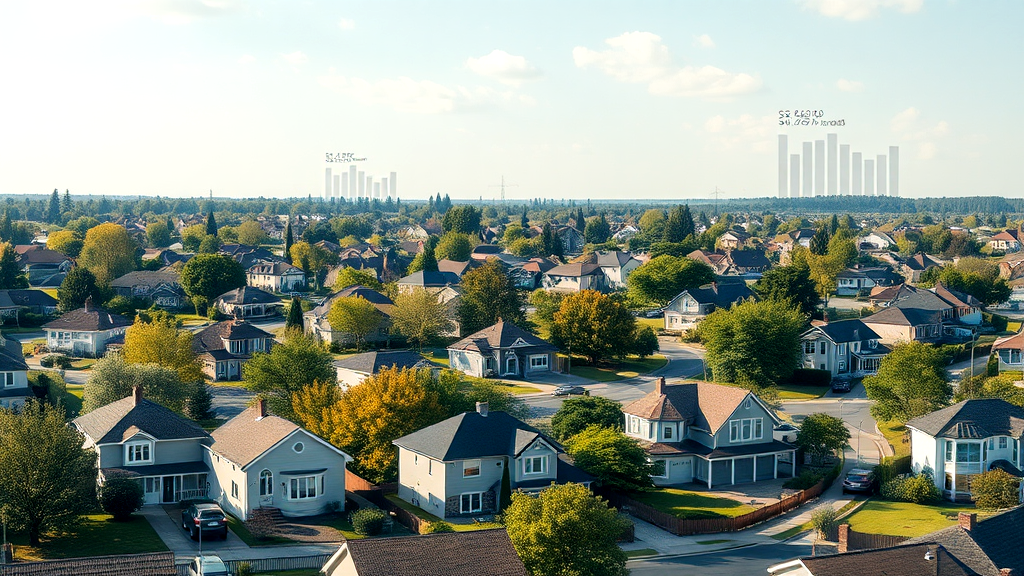
Property taxes play a key part in evaluating housing affordability. These taxes vary widely across regions, directly impacting our overall housing costs. In areas with high property taxes, the burden increases, making it harder for us to balance our budgets. This situation can exacerbate the income and house price ratio, pushing many families into financial strain.
Furthermore, when property taxes rise, homeowners may find themselves with less disposable income, affecting their ability to save or invest. Understanding local tax rates is essential in our housing journey. We should always factor these taxes into our calculations. This is crucial for anyone considering a home purchase, especially in high-cost areas.
For insights on the market, visit Jordan Link’s market update.
The Role of Credit Scores in Home Buying
Understanding how credit scores affect our journey in home buying is crucial. A higher score often results in lower interest rates, making mortgages more accessible and affordable. This can significantly enhance our chances of qualifying for a loan that fits our budget.
Additionally, good credit can improve our income and house price ratio, allowing us to target homes that align better with our financial situation.
Here are some key aspects to consider:
-
Higher scores lead to better mortgage terms.
-
They reduce monthly payments, easing financial strain.
-
Insurers may offer lower premiums based on credit.
-
Some lenders prioritize credit scores over other factors.
-
We can improve our scores through timely payments.
By focusing on our credit score, we open doors to better home financing options.

Understanding the 28/36 Rule for Budgets
The framework of the 28/36 rule for budgets helps us manage our finances effectively. This guideline suggests that our housing costs should not exceed 28% of our gross income. Additionally, all debts must remain under 36% of our income.
Following this rule ensures a sustainable approach to homeownership. It allows us to enjoy our homes without risking financial strain. It’s essential to assess our income and house price ratio when making housing decisions. By doing so, we can avoid overextending ourselves.
Understanding the balance between what we earn and what we spend on housing is crucial. Ultimately, this helps us maintain a stable financial future while enjoying our living spaces.

Strategies for Saving for a Down Payment
When we think about ways to save for a down payment, several strategies come to mind. First, we should set clear savings goals based on our income and house price ratio. This helps us know how much to save each month. Reducing discretionary spending is another effective tactic. Cutting back on dining out or unnecessary subscriptions can add up quickly.
Additionally, exploring assistance programs for first-time buyers can be beneficial. Many programs provide grants or low-interest loans that ease the burden. Lastly, improving our credit scores can lead to better mortgage rates, making homeownership more affordable. Focusing on these strategies helps us navigate the challenges of saving for a down payment.
Three Tips for Improving Home Affordability
Improving our situation regarding the income and house price ratio can be achieved through a few strategic moves.
First, we should focus on enhancing our credit scores. A higher score can qualify us for better mortgage rates, which reduces overall costs.
Next, exploring different regional markets can reveal areas with more favorable price-to-income ratios. This approach allows us to find homes that fit our budgets better.
Lastly, utilizing financial tools and seeking expert advice can help us make informed decisions. Budgeting properly and understanding available resources can lead to smarter investments in our future homes. By applying these tips, we can tackle the challenges of homeownership more effectively.

Conclusion
Understanding the income and house price ratio is crucial for navigating today’s housing market. With rising home prices and stagnant wages, many families find themselves priced out of homeownership. By analyzing trends, we can identify potential paths to improve affordability and make informed choices.
We can take proactive steps towards homeownership by focusing on improving our credit scores and exploring regions with better price-to-income ratios. It’s never too late to set savings goals and cut unnecessary expenses. Together, we can build a stable financial future, making homeownership a reality for more of us.
FAQ
-
What is the income and house price ratio?
The income and house price ratio measures housing affordability. It compares median home prices to median household incomes. A higher ratio indicates less affordability. For example, a ratio of 5.6 means homes cost 5.6 times the median income. -
How do mortgage payments affect home affordability?
Mortgage payments depend on interest rates and loan terms. The 28/36 rule suggests housing costs should be less than 28% of gross income. If mortgage payments exceed this, it can strain our budgets and lead to financial difficulties. -
Why are some regions more affordable than others?
Regional variations arise from local economic conditions and housing market dynamics. Coastal areas often face high demand and limited supply, leading to higher prices. In contrast, Midwest regions usually have more affordable housing options. -
What role do credit scores play in home buying?
Credit scores impact mortgage eligibility and interest rates. Higher scores can lead to lower interest rates. This, in turn, decreases monthly payments, making homes more affordable for us. -
How can we improve home affordability?
Improving credit scores can help us secure better mortgage rates. Exploring different regional markets may lead to better price-to-income ratios. Utilizing financial tools and expert advice can further enhance our affordability strategies.
Average home price in California

Understanding California’s Average Home Price
California’s real estate market is reaching new heights. The median home price has surged past $900,000, marking a historic milestone. This jump reflects an 11.4% increase since April 2023. Several factors drive these rising California home prices. Increased demand and a shrinking housing supply are major contributors. Additionally, high mortgage rates put pressure on buyers.
In our journey, we notice that certain regions, like the San Francisco Bay Area, are particularly affected, showcasing extreme price hikes. Understanding these trends is key for anyone looking to buy or invest in real estate. Join us as we break it all into more digestible pieces.
Key Takeaways
-
The median home price in California has surpassed $900,000, reflecting an 11.4% increase since April 2023.
-
High demand, limited housing supply, and high mortgage rates are driving prices up.
-
Prices vary significantly between regions; Northern California, especially the Bay Area, is the most affected.
-
Many first-time buyers face challenges, with just 15% able to afford the median home.
-
Investment opportunities remain, particularly in booming areas like San Francisco and Los Angeles.
Key Factors Influencing Home Prices
Housing demand, interest rates, and economic conditions play crucial roles in shaping average home prices in California. High employment rates drive demand, particularly in tech hubs. Limited housing inventory further exacerbates rising costs, with mortgage rates around 7% impacting affordability. Additionally, demographic shifts, like outmigration to more affordable regions, contribute to price variations. Understanding these factors helps us navigate the market effectively. For an in-depth analysis of current trends, we can refer to my latest market update.

Historical Trends in California Home Prices
Examining the patterns in California’s average home price reveals a persistent upward trajectory. Over recent years, we’ve witnessed significant increases, especially in sought-after areas like the San Francisco Bay. Meanwhile, some regions, such as the Far North, have faced declines. The median home price now stands well above national figures, with demand and limited inventory driving costs higher. As we navigate this market, understanding these fluctuations equips us to make informed decisions about buying and investing in California real estate.
How California Compares to National Averages
California’s average home price of $904,000 is notably higher than the national median of $387,600. This stark difference is fueled by factors like high demand, limited housing supply, and a desirable living environment. While regions like the Bay Area experience the steepest increases, other parts of the state, such as the Far North, show varying trends. Understanding these dynamics helps us grasp the complexities of California’s real estate market. For further insights, you might find my take on the housing market crash predictions useful.
Regional Variations in Home Prices
Regional differences in home prices reveal a complex picture across California. The average home price in California varies widely, impacted by local economies, demand, and demographics. For example, the Bay Area sees the steepest increases, while regions like the Far North have experienced declines in recent years. Some inland Southern California areas are more affordable, offering opportunities for buyers priced out of coastal markets. Understanding these variations helps us make informed decisions about purchasing and investing in real estate.
Northern California vs Southern California
When comparing home prices in the northern and southern parts of California, distinct differences emerge. The average home price in California can vary significantly based on location. Northern California, especially the Bay Area, tends to have some of the state’s highest median home prices, driven by tech industry demand. In contrast, Southern California offers more affordable options, particularly in inland areas. This variation highlights the diverse real estate market we navigate, revealing opportunities and challenges across the state.

Impact of Economy on Home Prices
Economic conditions profoundly influence home prices across California. High employment rates, especially in tech, fuel demand and push the average home price in California upwards. Moreover, the limited housing supply compounds this issue, making it difficult for many buyers to enter the market. With mortgage rates hovering around 7%, affordability becomes a pressing concern. As we observe these shifts, understanding their effects on property values helps us make informed decisions. For deeper insights, the San Francisco Chronicle offers valuable perspectives.
Role of Employment Rates
High employment rates play a crucial role in shaping housing demand. As job opportunities grow, especially in tech hotspots, more individuals can afford to buy homes. This influx drives up the average home price in California, putting pressure on affordability. With economic stability, we see increased competition for properties, especially in desirable areas. The ripple effect can lead to rising costs for rentals as well. As we observe these trends, the connection between employment and housing becomes increasingly clear.
Demographic Trends Affecting Home Prices
Changing demographic trends are reshaping the housing market. Many people are leaving high-cost areas for more affordable ones, impacting local home values. For instance, younger families often flee urban centers, seeking suburban spaces that offer better schools and amenities. This shift increases demand in these regions, which subsequently raises the average home price in California. As more individuals prioritize affordability and lifestyle, we can expect further variations in property values across the state. Understanding these trends helps us navigate California’s complex housing market.
California’s Real Estate Market Predictions
Anticipating the future of California’s housing market, we see several trends. Experts forecast continued increases in the average home price in California due to limited supply and strong demand. Economic factors, including job growth and persistent interest in urban living, will likely sustain this upward trajectory. However, potential economic shifts, like changes in employment rates or interest rates, could impact these predictions. Understanding these dynamics will be crucial for navigating our future investments in the market.

The Role of Interest Rates
Interest rates play a critical role in determining affordability for potential homebuyers in California. High rates reduce purchasing power, making it harder for many to afford the average home price in California. For first-time buyers, this is particularly challenging, as they face competition from more financially secure buyers. As interest rates fluctuate, we see direct impacts on demand and home sales. Understanding this relationship helps us navigate our strategies in this evolving market. For more data insights, check out the Redfin Data Center.
Challenges for First-Time Home Buyers
Affordability is a major hurdle for those entering the housing market. With the average home price in California exceeding $900,000, many potential buyers are sidelined. Only 15% can realistically purchase a median-priced home, requiring an annual income of at least $222,800. High mortgage rates further complicate this issue, limiting purchasing power and increasing competition. For us, understanding these challenges is crucial as we navigate this tough market, where financial readiness and strategic planning are essential for success.
Investment Opportunities in California Real Estate
Opportunities abound in California’s real estate market, especially despite soaring prices. The average home price in California might seem daunting, but areas like the San Francisco Bay and Los Angeles are still ripe for investment. Rising demand coupled with limited inventory can yield substantial returns. We can focus on emerging neighborhoods that offer growth potential. For example, investing in properties near tech hubs can lead to lucrative rentals. Smart investors stay informed and adaptable to maximize their gains in this dynamic market.

How to Navigate California’s Housing Market
Understanding the nuances of California’s housing market requires a strategic approach. We need to track the average home price in California, which has climbed significantly. This means focusing on regional trends and identifying areas with growth potential. Connecting with local real estate experts can provide us with valuable insights and opportunities. We should also stay informed about interest rates, as they directly affect affordability and purchasing power. Adapting our strategies will help us make informed decisions in this competitive environment.
Top 5 Cities with Highest Home Prices
We’re diving into the top five markets with the steepest home prices in California.
-
San Francisco: The average home price in California is dominated by this city, often exceeding $1.5 million.
-
Los Angeles: With diverse neighborhoods, homes here often reach over $1 million.
-
San Diego: This coastal city boasts prices near $1 million on average.
-
San Jose: A tech hub, it sees prices frequently above $1.3 million.
-
Anaheim: Known for attractions, homes average around $900,000.
Future Outlook for California’s Housing Market
The trajectory for California’s housing market suggests continued increases in the average home price in California. Factors like persistent demand and limited inventory will likely sustain this upward trend. However, economic uncertainties could introduce fluctuations. Recent statistics show that the median home price is already straining budgets, with many buyers facing affordability issues. As we move forward, understanding these dynamics will be crucial for anyone looking to buy or invest in California’s real estate market.
Conclusion
California’s housing market is a complex beast. With median prices soaring above $900,000, it’s clear that many factors play a role in shaping this reality. Rising demand and limited housing supply are key contributors. As areas like the San Francisco Bay continue to see steep increases, our understanding of regional differences becomes crucial.
Moving forward, we must consider the impact of interest rates and the economic climate on home prices. First-time buyers face a tough challenge in this market. Yet, opportunities for investment still exist in various regions. With expert insights and a grasp of local trends, we can approach California’s real estate with confidence. The journey may be challenging, but with the right knowledge, we can navigate these waters together.
FAQ
-
What factors drive home prices in California?
Home prices are driven by housing demand, interest rates, and economic conditions. A robust economy and limited housing supply push prices higher. Additionally, mortgage rates around 7% affect affordability.
-
How do California home prices compare to national averages?
California’s median home price is $904,000, far above the national average of $387,600. This difference highlights California’s expensive housing market, influenced by a high cost of living.
-
What challenges do first-time home buyers face?
First-time home buyers often find it hard to buy homes due to high prices. Only 15% of potential buyers can afford a median-priced home, needing an income of at least $222,800.
-
Are there investment opportunities in California real estate?
Yes, despite high prices, there are lucrative investment opportunities. Areas like San Francisco and Los Angeles remain attractive for investors seeking growth.
-
What is the future outlook for California’s housing market?
Experts predict continued price growth in California’s housing market. However, economic shifts could influence this trend, potentially leading to market corrections.
Pre Qualification Mortgage

What is Mortgage Pre-Qualification
Wondering about the ins and outs of pre-qualification for a mortgage? This step is where lenders get a glimpse of your financial situation. They evaluate your self-reported income, debts, and assets. This isn’t a guarantee but gives an idea of your borrowing potential. Think of it as a sneak peek into what you might afford. Home loan prequalification helps in setting a budget and makes you look serious to sellers. It’s like getting your ducks in a row before making a big splash in the housing market. Remember, unlike mortgage preapproval, this step doesn’t involve a hard credit check. So, your credit score stays intact.
Benefits of Pre-Qualification
Thinking about mortgage pre-qualification? It offers a sneak peek at your financial readiness for a mortgage. This step lets potential buyers establish a realistic home-buying budget, spotlighting any financial hurdles like debt-to-income ratios. This makes your mortgage application process more straightforward. Plus, having pre-qualification gives you a competitive edge, showing sellers you’re serious. Imagine walking into an open house with confidence, knowing your numbers. But remember, it’s not a guarantee or a commitment to lend. For more detailed insights on pre-qualification and pre-approval specifics, the Consumer Financial Protection Bureau provides a handy resource here.

Pre-Qualification vs. Pre-Approval
When comparing pre-qualification and pre-approval, the former is a quick snapshot of your finances, primarily based on self-reported data. This mortgage pre-qualification gives a rough idea of potential borrowing power but doesn’t involve a credit check. On the flip side, pre-approval is more rigorous, requiring document verification and a hard credit inquiry, resulting in a confirmed loan offer. While both steps are pivotal, pre-approval provides a stronger bargaining chip. If you’re curious about market trends influencing these processes, I recently discussed them in my market update. For a touch of humor, think of pre-qualification as window shopping and pre-approval as securing the deal.
Key Differences Explained
Explaining the key differences in pre-qualification mortgage steps can feel like choosing between apples and oranges. While mortgage prequalification is a quick financial glance, preapproval digs deeper, needing document verification and credit checks. This difference affects your negotiating power. Here’s the lowdown:
-
Speed: Prequalification is faster, often done within hours.
-
Details: Preapproval requires extensive documentation.
-
Credit Impact: Prequalification doesn’t impact your credit score.
-
Commitment: Preapproval provides a firm loan offer.
-
Perception: Preapproval boosts your credibility with mortgage lenders.
-
Scope: Prequalification offers a broad estimate of borrowing limits.
Want to know if solar panels are worth it? I’ve got insights here.

Steps to Get Pre-Qualified
Embarking on the journey to pre-qualify for a mortgage involves several essential steps. Start by collecting recent pay stubs, tax returns, and bank statements. This paints a vivid picture of your financial situation. Next, use an online pre-qualification mortgage calculator to estimate your borrowing capacity. Such tools consider income, debts, and your credit score. Speaking of credit, maintaining a good score is crucial, as it affects loan terms. Finally, engage with a variety of mortgage lenders to explore options. This step ensures you find a lender that aligns with your financial goals. Curious about the housing market’s future? I share my thoughts here.
Gathering Necessary Documents
Before diving into the numbers, it’s crucial to gather your financial documents. Start with recent pay stubs, tax returns, and bank statements, as they shine a light on your financial standing. These documents are like the keys to unlocking your mortgage pre-qualification. Next, use an online calculator to get an idea of how much you might borrow. This is your chance to dream big but stay grounded. Monitoring your credit score isn’t just a good habit; it’s your ticket to better loan terms. Oh, and speaking of smart ways to save, did you know I dabble in drought-tolerant landscaping ideas?

Using a Pre-Qualification Calculator
Exploring the use of a pre-qualification calculator can provide valuable insights into your borrowing potential. These tools consider factors like income, debts, and credit score to estimate your borrowing capacity. Think of it as a sneak peek into your future mortgage possibilities. But remember, this is just the appetizer, not the main course. The pre-qualification is more like a friendly nod from the lender, while a mortgage preapproval is a handshake. Once you’ve crunched the numbers, compare various mortgage lenders to find the best fit. This step can save both time and money, leading to a smoother path toward your dream home.
Factors Affecting Pre-Qualification
Let’s chat about what can sway your pre-qualification mortgage. First, your credit score is a biggie. It’s like your financial report card. Higher scores generally mean sweeter loan terms. Next up, your debt-to-income ratio. This measures how much of your income goes to debts. Lower percentages look better to lenders. Another factor? Assets in your corner. More savings or investments can boost your standing. Lastly, the type of home loan you’re eyeing might influence things. Fixed-rate? Adjustable? Each option has its own quirks. So, keep these factors in mind, and you’ll be steering your pre-qualification ship smoothly!
Credit Score Importance
The importance of a credit score in securing a mortgage prequalification can’t be overstated. Imagine it as your financial handshake with lenders, telling them how trustworthy you are. A higher score often means better loan terms and lower interest rates. It’s like getting the VIP treatment without the red carpet. Want to borrow more? Consider consolidating debts or boosting your income. These actions bolster your financial standing, paving the way for a larger mortgage payment capability. In the world of home buying, Andrew Dehan’s insights on LinkedIn shed light on how significant it is to maintain financial readiness.

Debt-to-Income Ratio
Balancing your income against debts is key for pre-qualification. It’s like a financial balancing act. Too much debt? It’s like trying to juggle flaming torches—risky! Keep that ratio tidy, and you’ll impress those lenders. Curious about how many plates you can spin? That’s where a pre-qualification mortgage step shines, giving you a peek at how much you can juggle. Remember, lenders love a good show of responsibility. So, ensure your financial circus is well-balanced. Surprise them with a well-managed credit score and a sharp focus on a suitable home loan. Your financial acrobatics can lead to success!
Does Pre-Qualification Affect Credit Score?
Wondering if pre-qualification impacts your credit score? Good news! Typically, mortgage pre-qualification involves a soft credit inquiry. This means your credit score stays untouched. It’s like a friendly wave from the lender without the commitment of a handshake. Unlike the hard inquiry during pre-approval, soft checks don’t mess with your credit. So, you can explore your home loan options stress-free. This initial step lets you dream big or adjust your financial expectations without any credit dings. Isn’t it nice to know your financial standing can remain intact while you get ready for the exciting journey of homeownership?
How Long is Pre-Qualification Valid?
The duration of a pre-qualification mortgage often spans several weeks to months. This timeframe allows potential buyers to explore home options, ensuring they align with their financial capabilities. However, each lender may vary, so it’s wise to confirm specifics with them. Keep in mind that your financial situation can change, and factors like income or debts might influence the validity. If things shift, it might be time for a refresh. Remember, a pre-qualification is more of a snapshot than a binding agreement. So, use this window to assess your house-hunting options and make informed decisions about your dream home purchase.

Increasing Your Pre-Qualification Amount
Boosting your mortgage prequalification amount is like upgrading to first class. Start by polishing your credit history and trimming unnecessary debts to show lenders you’re in top shape. Next, consider boosting your income—perhaps a side gig or a raise could do the trick. Sometimes, a different type of home loan might offer more wiggle room. Talk with a lender about options like adjustable-rate mortgages. This can sometimes stretch your borrowing capacity. Imagine the possibilities! By tweaking these aspects, you can unlock more financial possibilities. It’s like turning the key to a bigger dream home, and who doesn’t want that?
Choosing the Right Lender
Picking a lender can be like finding the perfect dance partner. You want someone who moves in sync with your financial goals. Start by checking out various lenders’ loan options and rates. Each lender has their own rhythm, so take your time and find the right beat. Mortgage prequalification is a handy tool here. It offers a sneak peek into your borrowing capacity, giving you a head start. Compare offers carefully, looking at interest rates and terms. Ask questions, lots of them! This helps to ensure the lender aligns with your needs. Finding the right fit can make your home-buying journey smooth and harmonious.
Common Misconceptions About Pre-Qualification
Misunderstandings surrounding pre-qualification often cloud the home-buying process. Many assume it guarantees a loan, but it’s more of a financial snapshot. Think of it as window shopping rather than purchasing—no commitment yet! People sometimes confuse it with pre-approval, which involves detailed verification. Pre-qualification is based on self-reported details, offering an initial borrowing estimate. Your potential borrowing power is highlighted, but it’s not a promise. Mortgage prequalification is a useful tool for setting realistic expectations. It’s like trying on shoes before the big race—getting a feel without crossing the finish line. Knowing this can help you navigate the path to homeownership more confidently.
What Happens After Pre-Qualification
Once you’re past the pre-qualification stage, it’s time to roll up your sleeves. This step is like a dress rehearsal; now, the real performance begins. You’ll dive into the pre-approval process, submitting detailed financial documents for review. Your lender examines these to determine your official borrowing capacity. It’s crucial to have your paperwork in order—think of it as setting the stage for a smooth home-buying process. You might need to address any financial hiccups noted during pre-qualification. Communicate openly with your lender to resolve these quickly. This proactive approach can make the path to homeownership a lot less bumpy.

The Role of Pre-Qualification Letters
Recognizing the importance of pre-qualification letters can smooth your house-hunting journey. These letters indicate borrowing potential, offering a peek into what could be within reach. Although they fall short of guaranteeing a loan, these letters give sellers a taste of your seriousness. They serve as a conversation starter, helping you gauge what price ranges to consider.
For those curious about the nuances between pre-qualification and pre-approval, the Consumer Financial Protection Bureau provides a detailed breakdown here. Keep in mind, even with a pre-qualification letter in hand, mortgage prequalification is just the beginning.
Connecting with Mortgage Lenders
Reaching out to lenders can open doors to understanding your mortgage prequalification. Consider meeting lenders in person or use online applications to streamline this process. Discussing pre-qualification results with lenders can shed light on potential loan options. It’s like testing the waters before taking the plunge into the pre-approval phase. Communicating openly with lenders can help identify areas for improvement. Maybe you discover an unexpected debt-to-income hurdle. Lenders often have insights or tools to address such issues. This interaction isn’t just transactional; it’s a partnership. For those still curious about the significance of pre-qualification, the Consumer Financial Protection Bureau offers more insights.
Conclusion
Navigating the mortgage process can feel like a maze, but pre-qualification is a helpful starting point. It’s a bit like dipping your toes in the water before diving in. By understanding your borrowing potential, you prepare yourself for the home-buying journey. It’s a great way to know where you stand financially.
Once pre-qualified, buyers can focus on finding their dream home with more confidence. Pre-qualification isn’t a promise of a loan, but it’s your ticket to the next stage. It’s about knowing your limits and being ready for the next steps.
So, armed with a pre-qualification letter, you’re in a stronger position to make offers. This can help in conversations with sellers, showing you’re serious about buying. It’s a small step that sets the stage for the exciting journey of homeownership.
FAQ
-
What is Mortgage Pre-Qualification?
Mortgage pre-qualification is the first step in buying a home. Lenders review your finances based on what you tell them. They look at your income, debts, and assets. This helps you understand how much you might borrow.
-
How does Pre-Qualification differ from Pre-Approval?
Pre-qualification is informal and quick. It uses self-reported info. Pre-approval is more detailed. It involves checking your documents and credit score. Pre-approval gives a firm loan offer.
-
Will Pre-Qualification Affect My Credit Score?
Good news! Pre-qualification typically uses a soft inquiry. This means your credit score stays the same. However, pre-approval requires a hard inquiry, which can lower your score.
-
How Long is Pre-Qualification Valid?
It’s usually valid for weeks to months, varying by lender. This gives you time to look for homes. Remember, financial conditions can change, so keep things current.
-
What Should I Do After Getting Pre-Qualified?
Next, aim for pre-approval. This step involves submitting more documents. It gives you a more definite loan offer and boosts your buying power.
Market Update

Real Estate Market Update Insights
In 2024, the real estate market is a mixed bag. Home sales fell by 2.5% in August, but home prices climbed by 3.1%. This rise hints at demand staying strong, despite fewer homes available. Mortgage rates hover around 6.44%, even with rate cuts. Buyers stay hopeful yet cautious. What’s in store for home buyers? Experts predict that more homes might mean prices stabilize. But if housing market demand grows, prices could spike again. The housing market predictions are tricky. Navigating lower mortgage rates is key. Keep an eye on NAR real estate insights. Understand market behavior to make smart moves. Forbes Advisor offers handy tips for those buying. Stay informed and ready.
Key Takeaways
-
Home sales dipped in August, yet home prices rose by 3.1%.
-
The real estate market in 2024 is a mixed bag, showing complex dynamics.
-
Mortgage rates are around 6.44%; buyers feel hopeful but cautious.
-
Experts foresee more homes leading to price stabilization.
-
Stay informed with NAR real estate insights and Forbes Advisor tips.

Current Housing Market Trends
A recent market update shows intriguing patterns. As existing-home sales see a 2.5% drop, the national median home price has risen by 3.1%. This suggests a strong demand despite limited supply levels. Even though mortgage rates hover around 6.44%, potential buyers remain hopeful yet cautious.
With the housing market showing these dynamics, many wonder about future home prices. Predictions indicate some stabilization if more homes come onto the market. However, the potential for a housing market crash keeps everyone on their toes.
For those interested in understanding estate market trends, keeping an eye on NAR real estate insights is crucial. Their data helps home buyers make informed decisions. Meanwhile, strategies for taking advantage of lower mortgage rates are gaining attention. Acting swiftly can secure favorable conditions before demand heats up again. Embracing these changes might just be the key to navigating the unpredictable world of real estate.
Key Housing Market Predictions for 2024
The headline leads us to expect market updates for 2024. Current trends hint at a shift with mortgage rates predicted to dip, sparking potential price rebounds. Here’s what to watch:
-
Housing inventory is crucial. An increase might stabilize or nudge home prices slightly lower.
-
Mortgage rate reduction is key. If rates drop more, buyer power spikes, possibly reigniting price hikes.
-
Regional disparities exist. Some areas thrive, others falter. Knowing your local market is like having a secret map.
-
Home sales are a mixed bag. Some regions report boosts, others lag behind.
-
Buyers should stay nimble, acting quickly as rates fluctuate.
-
NAR insights are essential. Their data drives smart decisions.
-
Weathering potential turbulence, like a housing market crash, requires staying informed.
-
Curious about 2025? My thoughts on future risks are just a click away here.
These elements shape a complex and fascinating 2024.

Understanding Mortgage Rate Fluctuations
Navigating the ups and downs of mortgage rates can feel like riding a roller coaster. They’ve recently dipped from a dizzying high of 7.79%, thanks to Federal Reserve actions. This gives home buyers a bit more breathing room. But, just when you think it’s safe to exhale, demand might surge, nudging home prices upwards once more.
In this swirling housing market, keeping a keen eye on the ebb and flow is paramount. Some might even call it a game of chess. A smart move now could save you big later. Speaking of smart, if you’re curious about how drought conditions might affect property values, you’ll find it enlightening to check out my personal thoughts on drought-tolerant landscaping ideas.
As we try to understand market behavior, the real challenge is predicting which way the wind will blow next. Will lower mortgage rates entice more buyers, or will cautious optimism keep them waiting in the wings?

Home Price Growth: What to Expect
The forecast for home price growth shows a mixed bag of possibilities. Recent data indicates a 5% annual rise, yet the pace has slowed. It’s like a snail’s race, but with more at stake. As mortgage rates decline, though, the stage is set for stabilization or even a slight dip. If demand perks up, a rebound might not be far behind.
A careful watch on the estate market trends is key, as a sudden surge could flip the script. Experts from the National Association of Realtors share insights on Twitter here. Their projections hint at a gradual ease in prices because of increased inventory.
However, navigating this real estate terrain isn’t without its challenges. Expect a roller coaster ride with potential twists and turns. Whether home sales will rise or fall remains an open question, keeping everyone on their toes.

Analyzing Real Estate Market Behavior
When diving into a market update of real estate behavior, a mosaic of shifts emerges. The National Association of REALTORS® plays a pivotal role, shedding light on dynamics with tools like the Housing Affordability Index. Interestingly, while some regions savor rises in home sales, others face declines. It’s like a seesaw, tilting with every market whisper.
The interplay between inventory and prices is crucial. Many homeowners cling to their low-rate mortgages, leading to tight supply. This scenario often feels like a game of tug-of-war. As more homes get built, and if mortgage rates drop, we might see a more balanced housing market.
Keep an eye on the fluctuations in home prices; they tell a fascinating tale. For those interested, check out my thoughts on how solar energy impacts home values here. It’s a surprising twist in the ever-evolving world of real estate.

Housing Inventory and Its Impact
The current housing inventory scenario is quite a rollercoaster, impacting market update strategies significantly. Homeowners, holding onto low-rate mortgages, hesitate to sell, tightening supply. However, whispers of new home constructions bring potential relief. This scarcity keeps home prices elevated, despite interest rate cuts.
Forbes Advisor suggests that if inventory levels swell, prices might stabilize or even dip. Curious buyers should stay alert and ready to pounce. Meanwhile, regional differences spice up the narrative, with areas like the Midwest seeing more home sales action than the Northeast.
Delving deeper into the real estate tapestry, it’s like watching an intricate dance of supply and demand. Understanding this interplay is crucial. Some folks even speculate about a housing market crash, but who knows? It’s always a guessing game, right? Keep your eyes peeled, or you might miss the next twist in this saga.

Regional Differences in Home Sales
Regional variations in home sales paint a vivid picture of local dynamics. The Midwest, South, and West enjoyed rising sales in August, while the Northeast lagged. These shifts reflect unique regional market conditions and demand levels.
Understanding such disparities is crucial for anyone planning to buy or sell. The reality is, these variations can significantly impact decisions. So, if you’re eyeing the Midwest, you’re looking at a more active market right now.
On the flip side, the Northeast might require more patience as things seem slower there. Given these differences, keeping an eye on mortgage rates can be a game-changer.
Forbes Advisor highlights that regional insights can help buyers and sellers better navigate these fluctuations. By grasping these patterns, you can make informed moves without fearing a housing market crash. Staying informed is key to understanding market behavior and predicting future trends.
Identifying Top Real Estate Markets
Examining top property markets unveils distinct shifts across metropolitan areas. Some regions stabilize, while others grapple with price tensions. A market update reveals how these dynamics shape buyer behaviors and investment strategies. The spotlight shines on metro area profiles, courtesy of Forbes Advisor, offering insights into buyer demographics and market traits. Keeping tabs on these changes can help you dodge the notorious housing market crash.
Consider how home price growth mirrors shifts in supply and demand. While some areas see prices plateau, others might face continued increases. Monitoring mortgage rates remains a crucial strategy. Lower rates could boost buying power but might also spur demand, driving prices up.
Understanding market behavior helps in making savvy decisions. Adapting to these dynamics is essential for navigating current challenges. With an eye on the trends, decisions become clearer, avoiding pitfalls and seizing opportunities. Stay informed, stay strategic, and keep those real estate dreams alive!

Strategies for Navigating Lower Mortgage Rates
Navigating the opportunities presented by lower mortgage rates involves strategic timing. As rates decrease, buyers should act promptly. Lock in favorable financing conditions before potential demand surges drive home prices higher. This market update underscores the significance of understanding these fluctuations. You don’t want to miss the boat!
Adapting to the housing market dynamics requires a keen eye. Keep track of inventory changes, an essential factor influencing home price growth. The Forbes Advisor suggests flexibility in home size or location can be beneficial during such uncertain times.
Knowing when to strike is crucial. Monitor mortgage rates closely. Even a slight dip can significantly impact affordability. By staying informed and proactive, potential buyers can capitalize on favorable terms.
Understanding market behavior is key. This involves recognizing regional differences, buyer trends, and economic forecasts. With this keen insight, you’ll be ready to navigate confidently through the evolving real estate waters.
The Role of NAR in Real Estate Insights
The National Association of REALTORS® plays a pivotal role in providing market update insights. By offering a treasure trove of data, including forecasts and statistics, NAR helps real estate professionals navigate the twists and turns of the market. They provide a compass through complex trends, allowing agents to understand market behavior with precision.
For example, NAR’s reports often highlight shifts in mortgage rates, a critical piece of the puzzle. Lower rates can lead to increased buyer interest, influencing home prices. As rates fluctuate, so do buyer strategies. This is where NAR’s insights become invaluable.
NAR’s research extends beyond numbers, shedding light on buyer demographics and regional variations. Such details offer a well-rounded view of the housing scene. The reports also delve into home price growth, crucial for gauging future market conditions. Forbes Advisor often cites NAR’s findings, underscoring their importance. By continuously updating its data, NAR ensures that real estate professionals are always one step…

Five Expert Tips for Home Buyers
When considering the market update, prospective buyers should be savvy. Start with these five pointers:
-
Budget Wisely: Focus on monthly costs, not just the overall price. It keeps things manageable.
-
Be Flexible: Sometimes the perfect home isn’t what you imagined. Consider different sizes or locations.
-
Watch Inventory: Homes can disappear fast. Be ready to make a move when the right one appears.
-
Get Pre-Approved: Secure financing from reputable lenders. It strengthens your offer and gives peace of mind.
-
Negotiate Smartly: Use current market conditions to your advantage. Don’t shy away from asking for better terms.
Staying informed about market trends is key. Referencing insights from Forbes Advisor can provide valuable guidance. Remember, while mortgage rates are enticingly low, acting sooner rather than later might save you from a bidding war.

Future Challenges in Real Estate Market
Navigating the future obstacles in the estate market requires foresight and flexibility. Affordability continues to be a thorny issue, as home prices remain high despite various economic pressures. Potential buyers might feel like they’re stuck between a rock and a hard place. Interest rates could unexpectedly shift, throwing a wrench in well-laid plans. And let’s not forget about inventory constraints. It’s like searching for a needle in a haystack when the housing supply is tight.
According to Forbes Advisor, staying informed is a lifesaver. The ability to adapt quickly will be crucial. Monitoring home price growth trends can offer clues on when to make a move. In this rollercoaster of a market, a little humor and patience go a long way. After all, finding the right property might just be a marathon, not a sprint.

Conclusion
The real estate market is a rollercoaster, with ups, downs, and sharp turns. Understanding these dynamics helps in making informed decisions. Home prices may stabilize, but regional differences can affect your local market experience.
Mortgage rates and inventory levels are crucial factors. They impact buying power and home availability. Staying updated with reliable insights, like those from the National Association of REALTORS®, can be your guiding light.
For buyers, it’s not just about numbers; it’s about finding that dream home within your budget. Use expert tips to navigate the maze with ease. And keep an eye on challenges like affordability and inventory. Knowledge is your best tool in this journey. Happy house hunting!
FAQ
-
What are the current trends in the real estate market?
The real estate market is quite dynamic right now. Existing-home sales dropped by 2.5% in August. Yet, the national median home price climbed by 3.1% year-over-year. This suggests strong demand, even with limited inventory. Mortgage rates sit around 6.44%, making buyers cautious.
-
What are the key predictions for the housing market in 2024?
Experts expect home price growth to ease as inventory increases. Prices might stabilize or slightly drop if inventory rises significantly. Lower mortgage rates could boost home price growth by late 2024.
-
How do mortgage rate changes affect buyers?
Mortgage rates have decreased from their 7.79% peak in October 2023. This makes buying power better for buyers. But, experts say demand could push prices up again.
-
Why does housing inventory impact the real estate market?
Current inventory is below pre-COVID levels. Many homeowners hesitate to sell because of low mortgage rates. More new homes and rate drops could help ease inventory issues.
-
How do regional differences affect home sales?
In August, home sales varied by region. Midwest, South, and West saw increases, while the Northeast had declines. Knowing local market conditions is key for real estate decisions.
Are solar panels worth it

Are Solar Panels Worth the Investment?
Thinking about solar panels? They’re all the rage these days! Choosing to install solar panels can be a big decision. Are solar panels worth it in the long run? They can slash your electricity bill and boost your home value. But don’t forget about the upfront costs.
The solar panel installation process can be pricey. However, savings over time may outweigh these initial costs. Plus, many states offer tax incentives, making it easier on your wallet. A solar panel system can last for decades, giving you peace of mind.
Before you decide, chat with a trusted solar panel installer. They can provide insights into solar panel costs and savings. With the right solar companies, solar panels save money and help the planet. Sounds like a win-win!
Key Takeaways
-
Solar panels convert sunlight into electricity, lowering your energy bills.
-
Installing solar panels reduces greenhouse gases and is eco-friendly.
-
Initial solar panel costs are high, but savings build over time.
-
A good solar panel installer can ensure a smooth setup process.
-
Many states offer incentives to make solar panels worth the investment.

Understanding Solar Energy Basics
Grasping the essentials of solar energy can lead to questioning: are solar panels worth it? Well, let’s break it into bite-sized pieces. Imagine your roof sporting a shiny new solar panel system, cutting energy bills like a ninja. Solar panels save not just money but the environment too, which is a win-win. But wait, there’s more!
Solar companies offer competitive solar panel installation deals, making it easier to join the solar revolution. With a good solar panel installer, you’re set for years of reduced bills and guilt-free energy use. But what’s the catch? The upfront cost, my friend. It’s like buying a treasure chest, rich with potential savings, yet requiring a hefty initial investment. Once you install solar panels, the benefits trickle in, providing not just energy but also peace of mind. So, what’s your take?

Advantages of Installing Solar Panels at Home
Exploring the perks of having solar panels at home, you might ponder, are solar panels worth it? Well, with solar panels, you can cut energy bills, boosting your savings. The eco-friendly nature of solar energy offers a cleaner environment, reducing your carbon footprint. Plus, homeowners often see an increase in property value after a solar panel installation.
But that’s not the end of the rainbow; states frequently offer net metering benefits. This means you might earn credits for excess energy your solar panel system produces. Curious about the variety of solutions available? I’ve shared insights on California’s solar companies.
On a broader scale, industry data at SEIA affirms the growing trend of solar energy adoption. Solar panels save money, energy, and the planet, making them a compelling choice for many homeowners.
How Solar Panels Work
Understanding the process of converting sunlight into usable electricity involves photovoltaic cells in solar panels soaking up rays and creating an electrical current. This current, initially direct current (DC), is rerouted through an inverter, morphing into alternating current (AC), which your fridge, lights, and gadgets crave. This tech wizardry might make you wonder, are solar panels worth it?
Imagine your roof as a bustling energy factory, all while you’re sipping coffee. It’s a win for both your wallet and Mother Earth. Curious about how solar panels increase property value? Check out some drought-tolerant landscaping ideas for added curb appeal here.
When you install solar panels, you not just lower bills; you also join a green revolution. The savings pile up, and your home becomes its own energy superhero. With a solar panel installer, turning your house into an eco-powerhouse is a breeze.

Pros of Installing Solar Panels
Exploring the benefits of committing to solar panel installation reveals multiple advantages. First off, solar panels can significantly reduce utility bills, making them a friend to your wallet. They lower electricity costs by transforming sunshine into power. This is a big plus for anyone looking to keep more money in their pocket.
Secondly, solar panels are a boon for the environment. By cutting back on greenhouse gas emissions, they help reduce your carbon footprint. This means not just saving money but also contributing to a cleaner planet.
Thirdly, having a solar panel system increases your property’s value. Homes with solar systems often fetch a higher price on the market. It’s like adding a golden touch to your home’s appeal.
-
Lower electricity bills
-
Environmental benefits
-
Increased property value
-
Long-term warranties
-
Decreased solar technology costs
-
Energy independence
-
Positive contribution to sustainability
Solar panels save energy, boost home value, and offer energy independence.
Cons of Installing Solar Panels
Considering the downsides of opting for solar panel installation, the initial expense is a tough pill to swallow. Despite solar companies offering financing options, upfront costs remain a significant hurdle for many. The question “are solar panels worth it” can leave some scratching their heads. Tax incentives aren’t always guaranteed, especially if choosing leasing over buying, which can limit financial benefits. Let’s not forget maintenance costs. Though usually low, unexpected repairs can surprise even the savviest budgeter. For those in stormy regions, solar panels might not perform at their peak efficiency, which is like buying a Ferrari and never hitting the Autobahn. A thorough solar panels review can provide insight into how weather impacts performance. If you’re curious about how the industry is evolving, the Solar Energy Industries Association provides in-depth research here. Balancing these factors will help you decide if solar energy is the right investment for you.

Cost and Savings Analysis
Considering expenses and potential savings can clarify the question, “are solar panels worth it?” The initial price tag of a solar system might seem daunting, but it’s an investment. Average costs hover around $16,000 before tax credits. Many homeowners find the long-term gains outweigh these upfront expenses. With incentives, solar panels save money and pay for themselves in about 6 to 10 years. Imagine slashing your electricity bill or even eliminating it! That’s a warm feeling, right?
Once you’ve crossed the payback period, it’s almost like stumbling upon a goldmine. It’s not just about savings; solar panels increase property value too. They make your home shine brighter in the real estate market. Some solar companies offer flexible financing plans, easing initial burdens. An insightful discussion of solar pros and cons can help in decision-making. So, is it time to let the sun power your savings?
Comparing Solar Panel Costs
Peeking into the realm of solar panel pricing, it’s clear that costs can vary like the weather. A 5 kW solar system typically sets you back about $16,000 before tax credits come into play. But wait, there’s more! Location, system size, and installer rates can change the game drastically. Financing options like cash, loans, or leases further affect your wallet’s destiny.
The burning question, “are solar panels worth it,” often pops up. While initial costs can be hefty, the long-term savings are sweet like honey. Many folks see a return on investment within 6 to 10 years.
Imagine cutting your electricity bill to shreds or even making it disappear! That’s not just wishful thinking. Solar companies can help with flexible payment plans, making the initial leap less scary.
So, is it time to let the sun brighten your financial future?

Potential Savings Over Time
Considering the long-term financial impact, solar panels can offer significant savings. Many homeowners find that these systems often pay for themselves within a decade. Think about it—a future where electricity bills shrink or vanish!
Using solar energy not just saves money, but also cushions against rising electricity costs. After the initial investment, the energy is practically free. Plus, solar panels can increase home value. It’s like getting a two-for-one deal!
Commercial rooftop installations are gaining popularity too, providing substantial savings for businesses. Solar companies offer flexible plans, making the upfront cost less daunting. The cherry on top?
A solar system can be a game-changer for those living in sunny areas. Enjoy the sun while it powers your world. It’s a win-win!
The question remains: are solar panels worth it? For many, the answer is a resounding yes. Let the sun not just shine, but also save!

Conclusion
Choosing solar panels is like picking a trusty sidekick for your energy needs. They slay electricity bills and boost home value. Plus, who doesn’t want to be greener than their eco-conscious neighbor? The upfront cost might seem steep, but rebates and tax incentives ease the pain.
Looking long-term, solar panels often pay for themselves within a decade. After that, it’s all gravy. Imagine not worrying about power bills while basking in eco-friendly glory. Still, consider your location and weather patterns—sunshine makes the magic happen. Ready to add some solar sparkle to your roof? With the right setup, you’ll be on your way to greener pastures and a fatter wallet.
FAQ
-
How much do solar panels typically cost?
A standard 5 kW system costs around $16,000 before tax credits. Factors like location and installer prices can vary. Tax incentives can lower this cost significantly. Always check for available rebates and local promotions.
-
What are the main advantages of having solar panels?
Solar panels can save you big on utility bills. They boost property value and reduce environmental impact. Many states offer net metering, which gives credits for excess energy. Plus, federal and state tax incentives sweeten the deal.
-
Are there any downsides to installing solar panels?
The initial cost can be steep. Not all financing options qualify for tax incentives. Weather can impact their efficiency, and maintenance, though low, can sometimes be pricey. It’s important to weigh these factors against potential savings.
-
How do solar panels actually generate electricity?
Solar panels use PV cells to capture sunlight. This light gets converted into DC electricity. An inverter then changes DC to AC electricity, which powers your home. It’s like magic, but with science!
-
How long does it take to recoup the investment from solar panels?
Many homeowners break even in 6 to 10 years. After that, it’s all savings. You can enjoy lower or even eliminated electricity bills. It’s a long-term investment with lasting benefits.


