

 Facebook
 X
X
 Pinterest
 Copy Link
Silver Tsunami Meaning

Defining the Silver Tsunami Phenomenon
Understanding the meaning behind the term silver tsunami involves diving into the effects of the aging population. This term reflects the impact the Baby Boom generation has had as they age, influencing everything from economics to healthcare. The term silver tsunami often sparks debate; some argue it’s a bit gloomy, while others see it as a call to action.
This demographic shift is like a tidal wave hitting home healthcare systems. With more older people living longer, the need for care grows. But as demand climbs, staffing in home healthcare faces hurdles. This shortage might worsen, as seen in the increased value of homes when considering demographic changes. This highlights the larger conversation around how silver tsunami affects different sectors, urging society to prepare for the aging population.
The role of Baby Boomers…
Historical Background and Origins
The phrase’s inception is tied to the late 20th century when the Baby Boom generation neared retirement in 2011. This shift wasn’t just any ripple; it was a tidal wave, especially in places with lots of older folks. Imagine a country suddenly needing more doctors and nurses. That’s what happened. Healthcare systems felt the pressure, and there was a scramble to keep up. Economically, the changes were just as profound. Many older people meant new needs and opportunities in the market. But it wasn’t all challenges. With more seniors comes wisdom and experience, reshaping communities. The “silver tsunami” became a symbol of this shift, showing how the aging population affects society in unexpected ways.
Demographic Shifts in the Aging Population
Examining shifts in the aging population reveals both challenges and opportunities. This shift, often called the “silver tsunami,” is reshaping demographics globally. As more countries witness a rise in older people, we see healthcare demands, particularly in home healthcare, skyrocketing. The Baby Boom generation, entering its golden years, amplifies these impacts. Yet, it’s not all stormy seas. There’s a push for healthy aging, encouraging more active and productive older folks. These elders bring wisdom and experience, benefiting communities. The ripple effects of population aging touch every corner of society. With planning, we can ride this wave, ensuring older people continue to thrive and contribute, turning a potential crisis into an ocean of possibilities.
Impact on the Baby Boom Generation
The Baby Boom generation’s transition has been like a tidal wave, impacting society broadly. As this generation retires, challenges surface, particularly in the labor market and healthcare. Imagine a vast group suddenly needing more medical care and fewer jobs. This shift creates a ripple effect across sectors. Picture the “silver tsunami” as a surge of older people reshaping our world. Their wisdom and experience offer opportunities, yet their needs demand careful planning. Balancing these dynamics is crucial for thriving communities. For deeper insights into these demographic shifts, the Population Reference Bureau’s comprehensive bulletin provides valuable context here. Let’s harness the potential of this aging population, ensuring they contribute meaningfully.

How Silver Tsunami Affects Healthcare
The healthcare system braces for changes as the silver tsunami sweeps in. With more older people needing medical care, demands rise, especially in home healthcare. Imagine more folks needing care but fewer hands to help. This mismatch can create a bottleneck, making services slower.
Healthcare providers scramble to fill roles, but there aren’t enough new recruits. It’s not just about numbers; it’s about quality care. I often hear stories of families struggling to find the right helpers. The U.S. government highlights this issue in their reports here.
Encouraging healthy aging can ease some burdens. Active lifestyles and better diets help older people stay healthier longer. Planning for population aging can turn this wave into a manageable ripple.
Addressing the Growing Demand for Care
Meeting the rising need for care is a pressing issue today. With the silver tsunami wave, healthcare systems face mounting challenges. More folks reaching their golden years means the demand for home healthcare skyrockets, while the workforce shrinks. Picture a puzzle missing key pieces; that’s the staffing situation now.
Healthcare providers scramble to fill gaps, often without success. This shortage leads to longer wait times and strained services. People share tales of juggling care for their loved ones without assistance. An article on aging discourse explores this shift here.
To lighten the load, fostering healthy aging is crucial. Encouraging activity and proper diets can make a world of difference. Addressing population aging with proactive strategies can transform the challenge into an advantage.

Challenges in Home Health Care Staffing
The intricate puzzle of staffing home care becomes more tangled with each passing day. Similar to trying to find the right piece, missing professionals make it tough. With the silver tsunami meaning more retirees, demand for care swells. Yet, fewer are stepping into roles like nursing aides. Many retire early, leaving gaps that seem almost impossible to fill.
Home healthcare systems feel the pinch, struggling to provide timely services. Families share stories of waiting and juggling care without enough support. The system’s cracks are showing, and it’s tough on everyone involved. It’s like a storm brewing, with no clear end in sight. Addressing these issues requires fresh strategies and perhaps a shift in how we think about care roles.
Economic Implications of an Aging Society
The economic effects of a maturing society ripple far and wide. As the silver tsunami meaning unfolds, there’s a noticeable uptick in healthcare expenses. Our wallets feel the pinch as medical bills multiply and services become more crucial. It’s like trying to keep a leaky boat afloat in a stormy sea, battling costs with every wave. Yet, hope isn’t lost! Seniors are robust consumers, keeping industries buzzing. Also, the demand for home healthcare is skyrocketing, opening doors for innovation. With more retirees, the workforce shrinks, creating a need for new job strategies. Think of it like a seesaw—striking balance is key. As society ages, preparing for this shift is akin to stocking up before a long winter.

Promoting Healthy Aging in Older People
Efforts centered around enhancing well-being in the elderly often involve vibrant activities and energetic routines. Imagine a lively dance class—everyone’s having fun while staying fit. Humor plays a part too; who doesn’t love a good laugh to lift spirits? Nutritious meals are available, offering tasty options to fuel the body and mind.
But it’s not just about fun and food. Access to home healthcare services ensures that support is always at hand. Think of it as a safety net, ready to catch you when needed.
Connections and friendships also provide emotional strength, forming a community where everyone feels valued. As the silver tsunami meaning continues to unfold, these efforts help create a supportive environment for all.
Social Opportunities for Intergenerational Bonds
More years mean more chances to make memories and build ties across ages. This idea links with the silver tsunami meaning, as different generations come together, bringing their own wisdom and stories. Imagine grandparents sharing tales from the past with wide-eyed kids. It’s a treasure trove of history mixed with modern tech talk from the young ones.
Such exchanges break stereotypes, creating a bridge between old and new. These interactions can even spark unexpected friendships and shared hobbies. I once read about a family that played video games together, bridging decades with pixels and controllers.
Home healthcare ensures no one misses out, providing the support needed for these bonds to flourish. Speaking of enhancing homes for all ages, my piece on elegant fixtures for home improvement might offer some handy insights.

Future Predictions for Population Aging
Envisioning the future of demographic transitions involves planning for the Silver Tsunami meaning. As more folks leave the workforce, societies face a mix of challenges and opportunities. A significant area of concern is the growing need for home healthcare. Ensuring enough skilled personnel to cater to the elderly is crucial. Meanwhile, the economic influence of retirees may surprise some. They often engage in activities that boost local economies, like travel and leisure. This offers a silver lining to the aging trend. A fun fact: I’ve seen homes beautifully adapted for seniors. My post on elegant fixtures for home improvement reveals some creative ways to make homes more welcoming. Check it out if you want to add a touch of charm and practicality!
Conclusion
The Silver Tsunami is more than just a catchy phrase; it’s reshaping our world. As the Baby Boom generation ages, their impact is undeniable. Healthcare systems are feeling the squeeze. But there’s a silver lining! Older folks are still active and contributing, often in surprising ways.
This shift brings challenges, yet also opportunities. We can learn a lot from our elders. They have stories and wisdom that enrich our lives. It’s like having a library full of life lessons at our fingertips.
As we look to the future, we must prepare wisely. Let’s support our aging population, ensuring they thrive. Through understanding and planning, we can turn this Silver Tsunami into a wave of positive change.
FAQ
-
What is the “Silver Tsunami”?
The term “Silver Tsunami” describes the rapid increase in older adults. It’s like a wave of age! This happens because many Baby Boomers are getting older. Some people prefer the term “age wave” because it sounds nicer. It highlights the contributions older adults still make.
-
Why did the Silver Tsunami start?
The Silver Tsunami started as Baby Boomers began retiring around 2011. This group was born after World War II when many babies were born. Now, they’re getting older, causing big changes in society. Their retirement affects healthcare, the economy, and more.
-
How does the Silver Tsunami impact healthcare?
Healthcare needs are increasing as more people age. More doctors, nurses, and caregivers are needed. But there aren’t enough folks to fill these jobs. This creates a big challenge for healthcare systems everywhere.
-
What are the economic effects of an aging population?
An aging society can be tough on the economy. Older people need more healthcare, which costs money. Fewer workers are around as more people retire. But older adults also buy things and help out. They still spend money and contribute to communities.
-
How can we promote healthy aging?
Healthy aging means staying active and healthy as you get older. It involves exercising, eating well, and seeing doctors regularly. Communities can help by offering fun activities and events for older adults. Staying healthy helps people enjoy life to the fullest!
How do you increase the value of a house?
Increase Home Value: Expert Tips
Adding value to your home doesn't have to break the bank. Simple home improvements like decluttering and cleaning can make a big difference. A tidy home seems larger and more welcoming. Professional cleaning might cost $200 to $225 for bigger homes. But you can save with some elbow grease.
Need more space? Think about adding a room or finishing a basement. These changes can significantly increase home value.
Consider smart home technology for a modern touch. It’s not just cool; it cuts energy bills. Install energy-efficient windows or solar panels. These can make your home an energy-efficient home and maybe even get you tax credits.
Finally, home equity options can help fund these projects without stress.
Key Takeaways
-
Declutter and clean for a tidy, inviting space. It boosts perceived home size.
-
Add livable square footage. Consider rooms or finishing basements for better value.
-
Use smart home technology and energy-efficient upgrades. They lower bills and add appeal.
-
Fresh paint modernizes your home. It's a simple way to increase home value.
-
Plan renovations during the winter. It's cheaper and less crowded with contractors.
Declutter and Clean for Impact
Tidy up and scrub for a big impact on your home value. A spotless home feels roomier and more welcoming to buyers. Professional cleaning? Sure, it could cost $200 to $225, but why not go DIY for a fraction? Target those closets and cabinets. Imagine walking into a room with clear spaces and organized shelves; it's like a breath of fresh air. You'd be surprised how much these small home improvements can increase your home's appeal. Ready to roll up your sleeves?
Add Usable Square Footage Wisely
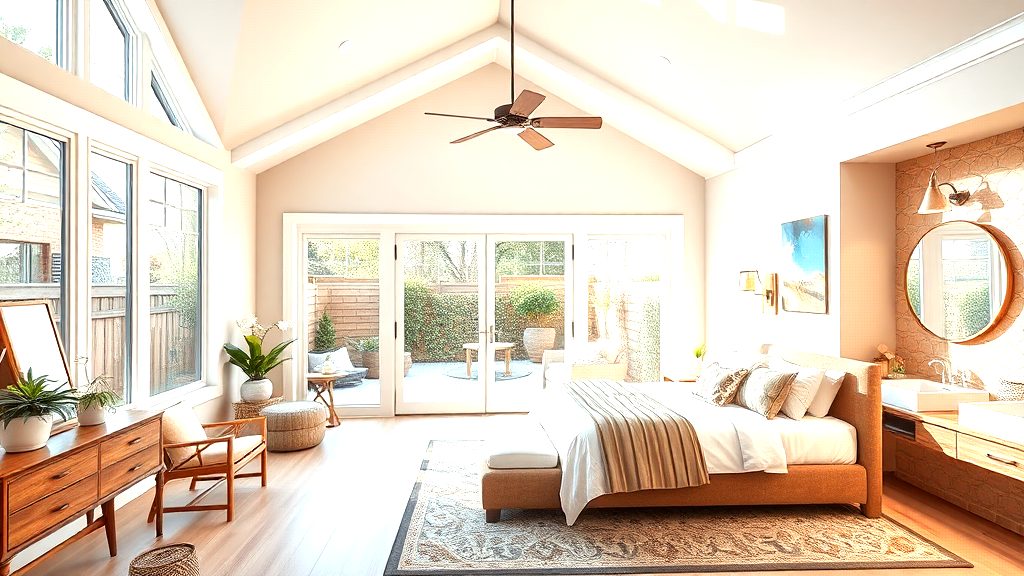
Making more of your square footage can boost your home value dramatically. Think about adding a new bedroom, bathroom, or even finishing that dusty basement. These projects might set you back anywhere from $22,500 to $80,100. But the payoff? Priceless! Patios and sunrooms add charm and functionality. Imagine enjoying a morning coffee in a sun-drenched room. Before you jump in, assess the cost versus potential market value increase. Speaking of market shifts, here's when I think you should sell your house.
Energy-Efficient Improvements to Consider
Upgrading your home’s energy efficiency can significantly boost its value. Consider swapping old windows for newer, energy-efficient ones. This not just trims your utility bills but also entices eco-conscious buyers. Better insulation keeps the cozy vibes in and the cold out. Solar panels? They’re a win-win, offering savings and potential tax credits. Even small tweaks like LED lighting can make a big splash. These efficient home improvement projects are the bees' knees for those looking to increase their home equity. For more on energy-efficient features, Energy Star provides valuable insights.
Fresh Paint for a Modern Look
Giving your walls a new color can make your home more attractive. This simple change can refresh rooms, making them feel updated and appealing. Interior painting costs vary, from $200 to $300 per room. Meanwhile, exterior painting might climb to $6,000. Consider hiring a pro for larger jobs to ensure smooth finishes. A modern look is a smart home improvement project that can increase your home value, attracting potential buyers. It's like dressing your home in its Sunday best!
Enhance Curb Appeal Strategically
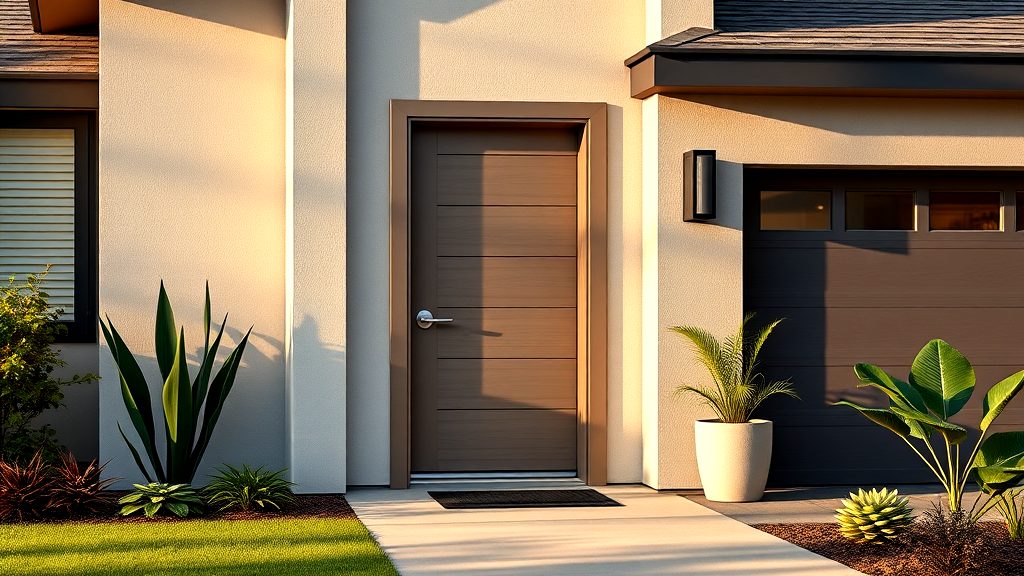
Strategically enhancing curb appeal isn't just about aesthetics; it's a savvy way to increase your home's value. Consider simple yet impactful actions like upgrading your exterior doors and adding new walkways. These changes make your home feel more welcoming right from the start. Boosting curb appeal through efficient home improvement projects doesn't just beautify; it transforms first impressions. With smart planning, you create a lasting impact that elevates your property's worth. So, it's time to let your home shine!
Upgrade Exterior Doors for Style
Swapping out those tired exterior doors can freshen up your home's look. It's like giving your house a facelift that can increase home value considerably. A sleek front door or a new garage door boosts curb appeal and provides a solid return on investment. Plus, it's a simple way to add style without breaking the bank. Keen on boosting home equity further? Check out my take on title insurance for protecting your investment.
Kitchen Remodeling Ideas
Unlocking the potential of your kitchen can significantly enhance your home value. Opt for minor upgrades like swapping out cabinet hardware or installing mid-range appliances. These small tweaks can offer substantial returns, often close to the cost invested. Don’t underestimate the impact of a fresh backsplash or energy-efficient lighting, which not just spruces up the space but adds charm and functionality. For a broader financial perspective, check out my insights on real estate trends.
Smart Technology for a Modern Home
Integrating advanced tech solutions into your residence can notably increase your home’s value. Consider smart thermostats, security systems, or connected lighting that syncs with devices. These add a modern touch and promise energy savings. It's like giving your home a digital makeover without breaking the bank. Curious about financing options for these upgrades? Discover insights on conventional loans that might fit the bill. Such tech not just modernizes but also transforms your house into an energy-efficient home.
Bathroom Upgrades to Increase Value
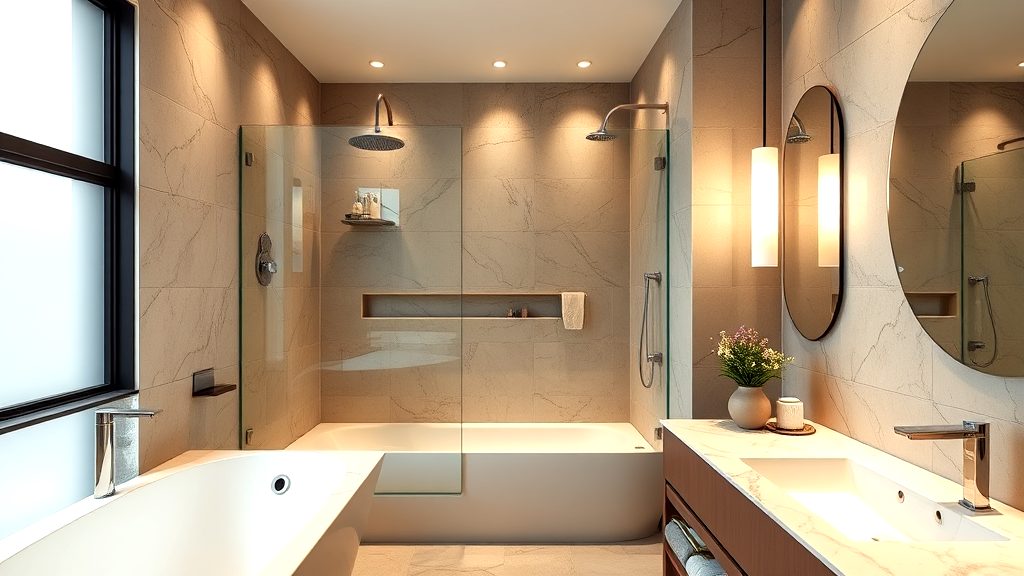
Looking at ways to upgrade your bathroom can be a smart way to boost your home's value. Adding new fixtures or fresh tiles can create a spa-like atmosphere, which many buyers love. Imagine stepping into a shower with sleek, modern designs—that's an instant appeal boost. Thinking of adding a new bathroom? That can really get potential buyers excited. These upgrades often have a strong return on investment, covering a good portion of the costs. It's like giving your home a functional facelift.
Affordable Ways to Improve Home Value
Improving your home's value on a budget doesn't have to be tricky. Simple actions like deep cleaning can dramatically enhance appeal. Tackling minor repairs, such as fixing leaky faucets or painting walls, adds charm without hefty costs. Landscaping can transform any yard into a welcoming oasis. Smart home technology, like new thermostats, not just modernizes but can also save energy. If adding space, prioritize areas that boost livability. These home improvement projects can make your property stand out in the market.
Timing Your Renovations Perfectly
Timing your renovations can boost your home value significantly. Aim for quieter months like winter for contracting; it's often cheaper. This strategy not just saves money but maximizes your budget's impact. Aligning renovations with tax incentives can also be smart. According to the IRS, eligible energy-efficient home improvements can earn credits up to $3,200 here. Keep an eye on trends to ensure your upgrades appeal to buyers. Small changes, big results—make your home the talk of the town!
DIY Home Improvements to Try
Trying out simple DIY home tasks can increase your home value significantly. Here are some ideas:
-
Repaint rooms for a fresh vibe. A new color can transform a space.
-
Replace old light fixtures with modern ones. It’s like jewelry for your ceiling!
-
Install energy-efficient bulbs to save money over time.
-
Upgrade cabinet hardware in kitchens and bathrooms. Little changes, big impact.
-
Add smart thermostats to create an energy-efficient home.
-
Refresh landscaping; a tidy yard is like a welcome mat for buyers.
These updates can be fun and rewarding!
Financing Options for Renovations
Looking into ways to fund your renovation dreams? Personal loans, home equity loans, or cash-out refinancing might be the ticket to increasing your home value. Personal loans are perfect for smaller adjustments, providing quick access without touching your home equity. For more substantial home improvements, a home equity loan could be beneficial, offering lower interest rates. Cash-out refinancing can offer funds for significant renovations by swapping your mortgage with a bigger one, especially for those with substantial equity. Sherri Berry emphasizes the importance of aligning your finances with renovation goals. Her insights can be found here.
Personal Loan for Home Projects
Considering a personal loan for your home projects might boost home value. These loans offer quick access to funds, ideal for those small touches that pack a punch. Imagine finally getting that cozy reading nook or brightening up your kitchen with modern fixtures. A friend once turned a drab attic into a vibrant playroom this way. Such tweaks can make a house a home, increasing your home's allure to potential buyers. Got a vision? A personal loan can make it happen.
Home Equity Loan Benefits
Exploring the advantages of leveraging your home's value through a home equity loan reveals several benefits. With lower interest rates, these loans can fund substantial renovations, transforming your space into an energy-efficient haven. Imagine replacing those old windows with newer, energy-efficient models! Such updates not just save on utility bills, but also boost your home's appeal. Additionally, interest on these loans might be tax-deductible, making them a cost-effective financing solution. Balancing cost and benefit, this option can be a game-changer for increasing your home.
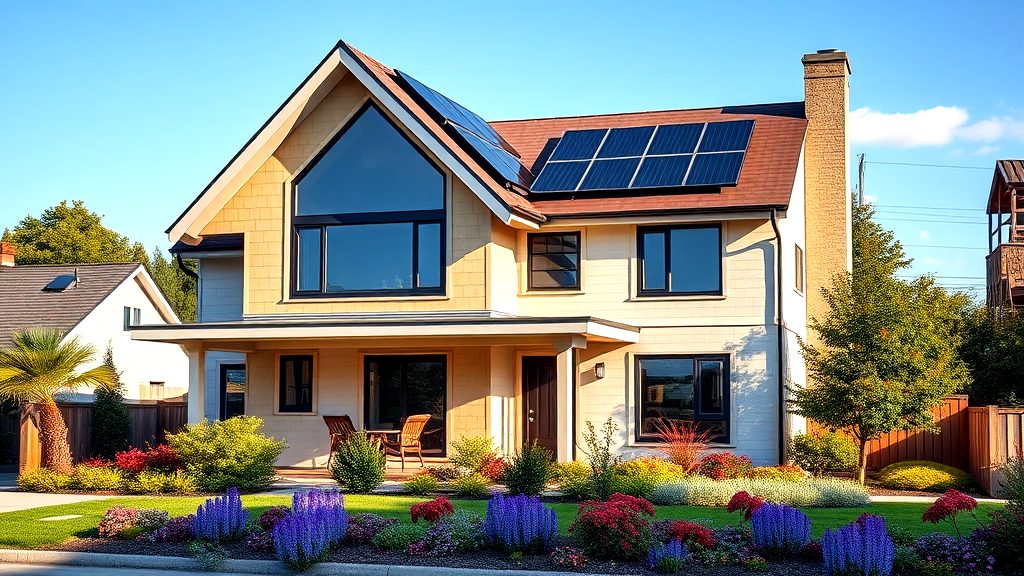
Cash-Out Refinance Explained
Swapping your current mortgage for a larger one through cash-out refinancing can unlock funds for home improvements, especially when your home value has appreciated. This approach not just supports renovation dreams but also leverages the increased worth of your property. Homeowners with substantial equity can benefit significantly. Picture this: transforming your living space into an energy-efficient haven is now within reach. For those considering downsizing their space post-renovation, Rocket Homes provides valuable insights here. This strategy can align financial goals and home.
How Renovations Affect Home Value
In exploring how renovations hit your home's value, it's clear that not all updates pay off equally. Kitchen and bathroom remodels often promise high returns, while others might not recoup costs. Energy-efficient upgrades like solar panels offer long-term savings and appeal to eco-conscious buyers. New paint and landscaping can refresh looks without breaking the bank. However, tread carefully with major changes; some may not add the expected value. Interested in lead safety during renovations? The EPA provides insights here.
Square Footage: Cost vs. Value
Weighing the costs of increased square footage is crucial for assessing its impact on home value. Often, adding square footage like a new bedroom or finished attic can yield a solid return. But hold your horses! Not all expansions are created equal. If the cost exceeds the potential value added, it might not be worth it. Prioritize energy-efficient improvements to double dip in savings and appeal. A sunroom might sound dreamy, but does it really boost the market appeal? Evaluate your neighborhood's trends before diving in.
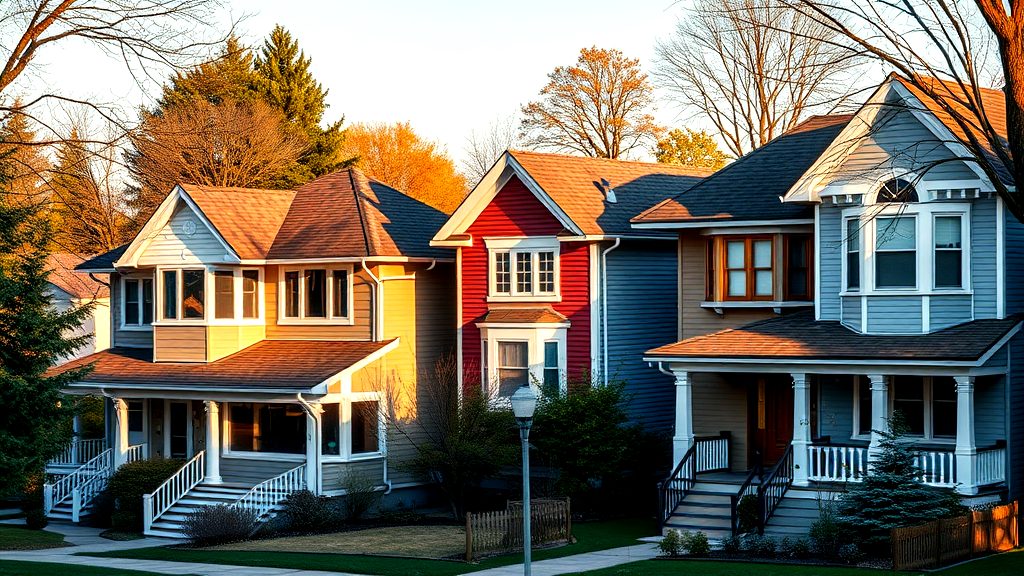
The Role of Curb Appeal in Value
In discussing how curb appeal impacts home value, first impressions are everything. A well-maintained exterior invites potential buyers in, setting the stage for a positive viewing experience. Simple upgrades like fresh paint, landscaping, and new fixtures can make a big difference. Real estate agents often highlight that these enhancements increase perceived value, leading to higher offers. In fact, choosing energy-efficient upgrades, such as ENERGY STAR-certified windows, not just enhances appeal but also reduces utility bills (source).
Choosing the Right Projects
Finding the best projects for boosting your home value is like picking the ripest apples. Start by considering the return on investment. Prioritize renovations that buyers love, like kitchen and bathroom upgrades. Don't overlook cosmetic changes; fresh paint and landscaping can transform perceptions. Consider energy-efficient updates, as a more energy-efficient home is attractive and budget-friendly. Be mindful of local market trends for tailored improvements. Here's a handy checklist:
-
Kitchen upgrades
-
Bathroom renovations
-
Energy-efficient windows
-
New landscaping
-
Fresh paint
-
Updated fixtures
-
Modern appliances
Avoiding Common Renovation Mistakes
Avoid the common pitfalls of renovations that could lower home value. Steer clear of overly personal choices that might not appeal to future buyers. Ensure all projects adhere to local codes to maintain property integrity. Even minor oversights can lead to costly corrections. Prioritize functional upgrades like energy-efficient windows, which offer both appeal and utility savings. For more financing insights, Rocket Loans discusses personal loans here. Keep an eye on the bigger picture: how each change aligns with increasing your home's marketability and value.
Conclusion
Improving your home's value is like crafting a tailored suit. Every stitch counts, and each upgrade should fit the bigger picture. Start with simple actions like cleaning and decluttering. These small steps make a big splash without draining your wallet. Add usable square footage carefully. Consider what adds real value, like a new bathroom or finishing the basement.
Invest in energy-efficient upgrades. They cut utility costs and attract eco-conscious buyers. Think about that fresh coat of paint or upgrading the kitchen. These changes appeal to potential buyers and freshen your home's look. Finally, keep an eye on financing options. From personal loans to cash-out refinancing, there are solutions for every budget and plan. Each step you take brings you closer to a home that’s not just more valuable, but also more enjoyable to live in.
FAQ
-
How can decluttering and cleaning boost my home's value?
Decluttering and cleaning make your home feel larger and more inviting. Potential buyers love spaciousness. A clean home also suggests good maintenance. DIY cleaning is budget-friendly, but professional services cost $200 to $225 for bigger homes. Focus on closets and cabinets to maximize space perception.
-
What are some energy-efficient improvements I should consider?
Consider replacing old windows and improving insulation. These changes lower utility bills and enhance comfort. Installing solar panels is another option. Such improvements may qualify for federal tax credits. The Energy Efficient Home Improvement Credit offers up to $3,200.
-
Why is curb appeal important, and how can I enhance it?
Curb appeal affects first impressions and home value. Simple tasks can make a big difference. Try power washing and landscaping. New walkways or upgraded light fixtures can also help. A well-maintained exterior attracts buyers.
-
How can I finance my home renovation projects?
There are several options for financing renovations. Personal loans offer quick funding. Home equity loans have lower interest rates. Cash-out refinancing provides extra funds by swapping your mortgage. Choose based on your financial situation.
-
What should I consider when choosing renovation projects?
Select projects with a high return on investment. Consult real estate experts for advice. Focus on market demands and avoid over-personalization. Ensure all projects meet local regulations and building codes to prevent issues.
Elegant Fixtures for Home Improvement

Elegant Fixtures for Home Improvement
Elegant fixtures are like magic wands for your home. They add style and function. Think of them as the jewelry of your home decor. A well-chosen fixture can turn a plain room into a warm and inviting space.
Understanding elegant home decor means knowing what makes a room feel just right. It’s not about having the most expensive things. It’s about balance and comfort.
When picking light fixtures, look for something that stands out. Unique and interesting light fixtures can be the star of any room. They add character and charm.
Luxury home remodeling often starts with the right ideas. From kitchens to bathrooms, every detail matters. And don’t forget about home staging for that extra touch of elegance.
Key Takeaways
-
Elegant home decor balances beauty and function, not just expensive things.
-
Fixtures are key to transforming spaces with style and function.
-
Choose unique fixtures to add character and charm to your home.
-
Smart tech and home staging enhance elegance and space usage.
-
Explore home remodeling ideas for kitchens and bathrooms with premium touches.
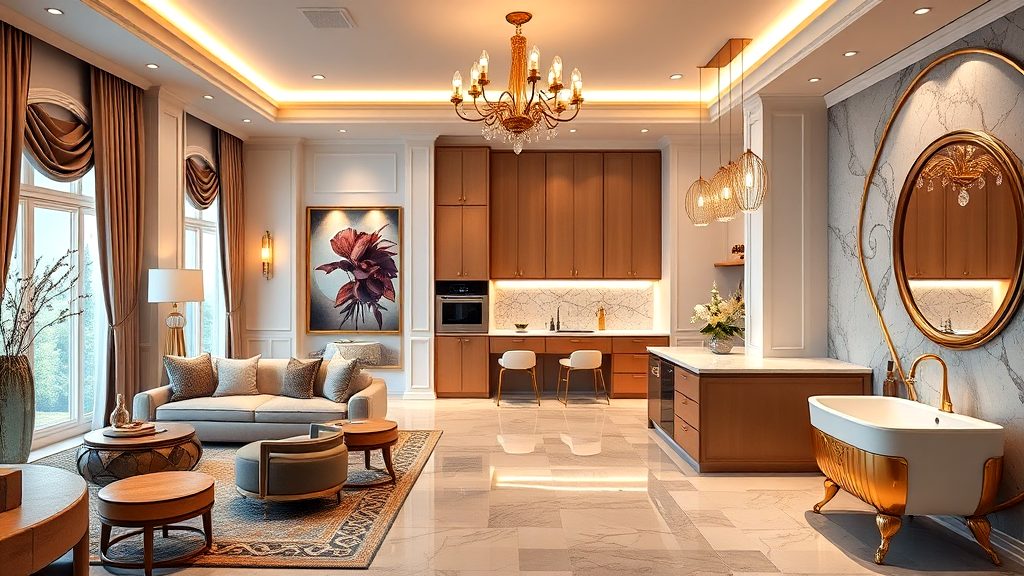
Understanding Elegant Home Decor
Exploring how fixtures and furnishings can enhance living spaces reveals their transformative potential. Imagine a room where every item isn’t just placed but carefully chosen for its elegance. These fixtures bring both beauty and practicality, creating a seamless blend of style and comfort. Think of elegant home decor as a way to enrich your daily life. Luxury home remodeling often begins with small tweaks, like rearranging furniture or adding a plush rug. Embrace this approach to craft a truly inviting atmosphere.
The Role of Fixtures in Home Improvement
Fixtures in home improvement offer more than mere utility. They breathe life into spaces, crafting an ambiance that’s both stylish and functional. Imagine walking into an elegant home, where each fixture tells a tale of sophistication. These elegant fixtures & furnishings aren’t mere additions; they’re the heartbeat of a room. Think of them as the unsung heroes of home decor, seamlessly merging aesthetics with everyday life. For those seeking luxury home remodeling, consider these elements as key to transforming your environment.

Choosing the Right Light Fixtures
Deciding on the perfect fixtures for your space involves balancing beauty and function. Imagine fixtures that embody character, adding a touch of flair to every corner. When selecting, prioritize pieces that enhance your existing home decor. Unique designs can transform spaces, making a room feel both stylish and welcoming. Consider statement lighting as a bold move, introducing charm and sophistication. These choices reflect not just an elegant home but elevate everyday living, crafting spaces that speak to both heart and soul.
Interesting Light Fixtures for Modern Homes
Exploring unique fixtures for modern homes uncovers how they redefine spaces. Picture a room illuminated by a captivating chandelier, enhancing both aesthetics and mood. These fixtures, much like the elegant home decor, transform ordinary rooms into luxurious havens. Choosing the right pieces is pivotal; they should sync with your existing theme while adding flair. Integrating unique designs can make your home feel fresh and inviting. For more inspiration, consider the elegance of crystal block candleholders, which add charm and sophistication to any decor.
The Impact of Statement Lighting
When you consider the impact of striking lighting, it’s like magic for your home. Elegant fixtures and furnishings transform spaces, turning them into cozy and stylish havens. Imagine replacing a dull lamp with a dazzling chandelier; it’s an instant room makeover! Such lighting choices add character and warmth, making each room feel special. In the world of home decor, it’s about creating a unique experience. Think of each fixture as a piece of art, sparking joy and conversation.

Transforming Spaces with Elegant Furnishings
Picking out timeless furniture can breathe life into any room. Opt for materials like marble or silk to bring an air of sophistication. Picture a sleek marble table paired with silky cushions, creating a perfect blend of style and comfort. These choices can make any space look elegant and inviting. With the right pieces, you can transform a simple room into a luxurious haven. Remember, it’s about finding that balance between beauty and function, making your home truly special.
Selecting Timeless Furniture for Elegance
Choosing timeless furniture to add elegance is like finding a hidden treasure. Elegant Fixtures & Furnishings That Elevate Homes focus on quality materials. Imagine a room with a stunning marble table paired with silk cushions. These choices bring a sense of luxury, making any room feel special. When you mix high-end materials, the room’s beauty shines. Think about how these pieces can transform a space. It’s like turning a simple area into a luxurious retreat. Such thoughtful selections enrich your everyday living experience.
The Power of High-End Materials
In the realm of elegant furnishings, high-end materials like marble and silk truly shine. These quality materials bring sophistication, boosting the appeal of any room. Imagine a living space where a sleek marble table meets plush silk cushions. Such combinations speak volumes about style and luxury. Think about how these choices can elevate your surroundings, adding a touch of class with every piece. Opt for these materials to create a space that feels both inviting and refined, making everyday living feel like a special occasion.
Luxury Home Remodeling Ideas
Bringing luxury to your home requires clever remodeling. Think of elevating spaces with elegant fixtures and furnishings. Picture a bathroom gleaming with gold taps or a kitchen boasting smart appliances that whisper luxury. Select pieces that merge style with function. Textures and colors play a crucial role, too. Imagine silk curtains or marble countertops, each adding depth and richness. Mixing these elements? Like a symphony in design. For more inspiration, check out the LinkedIn page of a design firm.

Enhancing Kitchens with Premium Fixtures
Updating kitchens with high-quality fixtures can drastically alter their charm. Opt for Elegant Fixtures & Furnishings That Elevate Homes to create a sophisticated space. A chic faucet or sleek cabinet handles can add a touch of luxury to your cooking area. For those remodeling, consider blending these fixtures with smart technology for a modern edge. While planning, explore home remodeling ideas that incorporate rich colors and textures. This approach makes kitchens not just functional, but also a focal point.
Creating Opulent Bathroom Retreats
Crafting lavish bathroom sanctuaries involves more than mere aesthetics. It’s about Elegant Fixtures & Furnishings That Elevate Homes, turning every bath into a serene escape. Imagine a spa-like retreat with plush towels, sleek marble surfaces, and soft ambient lighting. The right choices transform your bathroom into a peaceful haven. Sophisticated faucets and intricate mirrors add charm, while lush textiles ensure comfort. Consider incorporating unique lighting designs to enhance the atmosphere. With such thoughtful selections, your bathroom becomes a place of relaxation and luxury, making everyday moments feel special.

Importance of Color and Texture in Decor
The impact of color and texture in decor cannot be overstated. They breathe life into any space. By choosing Elegant Fixtures & Furnishings That Elevate Homes, you’re not just decorating; you’re crafting an experience. Picture a soft, velvet couch paired with a bold, teal wall. This combination creates a room both inviting and stylish. For those exploring new dimensions, this resource provides artistic inspiration. Balance rich hues with gentle textures for a harmonious vibe. With the right choices, your space becomes a sanctuary.
Harmonizing with Chic Patterns
Blending chic patterns with elegant fixtures and furnishings that elevate homes is an art. Imagine a lively polka dot throw on a sleek sofa, or a striped curtain enhancing a bold, colored wall. These choices inject personality into spaces. It’s all about balance—pairing vibrant prints with subtle textures. Consider floral cushions against a rich, velvet couch. Such combinations create a dynamic yet cohesive look. In this way, patterns breathe life into rooms, transforming them into unique expressions of style and comfort.

Using Art to Personalize Spaces
Infusing art into spaces adds a personal touch, showcasing your unique style. Choosing Elegant Fixtures & Furnishings That Elevate Homes enhances this effect. Imagine bold paintings or sculptures as conversation starters. These pieces become the soul of a room, weaving stories and sparking imagination. Mixing art with textures like velvet or silk creates a rich visual tapestry. It’s like painting a masterpiece with your favorite tools. Each choice reflects who you are, making your space truly yours—a home that tells your tale.
Maximizing Space with Smart Home Technologies
Exploring smart home technologies provides a modern twist on maximizing space. Imagine elegant fixtures like motorized blinds that adjust with a tap. These aren’t just gadgets; they’re magic wands for your room. Furniture that folds away when not needed? Genius! These tech wonders create breathing room without sacrificing style. For more intriguing ideas, there’s a gem of a collection over at On Side Door. It’s a treasure trove of inspiration.

The Art of Home Staging for Elegance
Crafting an elegant living space involves more than just selecting pretty items. It’s about incorporating Elegant Fixtures & Furnishings That Elevate Homes. Picture a room where a plush, velvet chair sits next to a sleek, glass table. This balance creates an ambiance that whispers sophistication. Using soft lighting can enhance this effect, casting a warm glow over the space. Don’t forget the power of well-placed mirrors. They reflect light and make rooms feel larger. Even adding a single statement piece can transform a room, creating a space that feels both luxurious and welcoming.
Trends in Modern Classic Interior Design
The trends weaving through today’s classic interior design are all about mixing materials and styles. Think of combining marble with soft fabrics, creating a dance between modern and traditional elements. This mix creates elegance with a twist. Imagine a room filled with vibrant colors, yet balanced with neutral tones. Add Elegant Fixtures & Furnishings That Elevate Homes for a touch of luxury. This approach creates spaces that feel timeless yet fresh, turning any home into a stylish haven.

Mixing Materials for a Sophisticated Look
Creating a refined atmosphere involves skillfully combining materials. The charm of Elegant Fixtures & Furnishings That Elevate Homes is in their ability to blend different textures. Consider a sleek metal lamp paired with a rustic wooden table. This contrast adds depth to any room. Layering materials like velvet curtains with a glass centerpiece brings a heightened sense of luxury. For more on integrating elegance into your space, Redfin’s experts share insights here. Embracing varied elements creates a harmonious, sophisticated space.
Tips for Decluttering and Organizing
Diving into ideas for organizing, picture Elegant Fixtures & Furnishings That Elevate Homes as your trusty sidekick. 1. Identify spaces overwhelmed with clutter, and clear them out. 2. Use multi-functional furniture to save room. 3. Incorporate storage solutions; think stylish baskets or sleek shelves. 4. Keep surfaces clear to accentuate elegant features. 5. Rotate seasonal decor, keeping your space fresh and uncluttered. 6. Organize by categories, making finding items easier. 7. Utilize vertical space with wall-mounted fixtures. 8. Regularly reassess and tidy up. Keeping spaces tidy enhances the overall allure.

Designer Insights for Elegant Interiors
When diving into the treasure chest of designer insights for interiors, focus on Elegant Fixtures & Furnishings That Elevate Homes. They should strike a balance between style and function, turning rooms into art. Luxurious materials like marble and silk whisper class, while unique pieces offer character. Statement lighting adds flair, creating cozy vibes. In the realm of luxury home remodeling, consider high-tech features that surprise and delight. Smartly chosen fixtures can transform spaces, and creative home staging ensures everything shines.
Bringing It All Together: Creating a Cohesive Look
Bringing all your decor elements together is like completing a puzzle. Consider using Elegant Fixtures & Furnishings That Elevate Homes to craft this masterpiece. Consistency in theme, color, and style is crucial. Imagine a harmonious blend of textures and hues, creating a seamless flow throughout your space. This approach adds a sense of unity, making your home feel cohesive and inviting. For more ideas, Redfin’s experts share invaluable insights on enhancing interiors here. Embrace the elegance, and let your home tell a beautiful, unified tale.
Conclusion
Creating an elegant home is a journey. It’s about combining pieces that tell a story. Each fixture, every piece of furniture, adds a chapter.
By choosing with care, you turn a house into a home. Think of light fixtures as jewelry for your rooms. They sparkle and set the mood. It’s like turning on a light bulb in your imagination.
Smart tech helps us use our space wisely. It’s like having a helper that never sleeps. With the right mix of color, texture, and patterns, your home becomes a masterpiece.
Remember, less can be more. A clutter-free space feels inviting. When everything is in harmony, your home sings a beautiful song. Keep it simple, keep it elegant, and let your style shine.
FAQ
-
What makes a fixture elegant in home decor?
An elegant fixture combines beauty and function. It adds sophistication to any room. Timeless designs and quality materials enhance the overall look. Think of fixtures as the jewelry of your home. They should stand out yet blend seamlessly with your decor.
-
How do I select the right light fixtures for my home?
Consider the style and mood you want. Modern homes benefit from unique light fixtures that add character. Look for statement pieces that complement your space. Think of lighting as the mood-setter. It should be both bright and inviting.
-
Why are high-end materials important in home furnishings?
High-end materials like marble and silk elevate a room’s appeal. They offer durability and timeless beauty. Quality materials also provide a luxurious touch. They might cost more initially but last longer and look better over time.
-
How can smart home technology maximize space?
Smart technology optimizes and organizes spaces. It introduces convenience while maintaining aesthetics. For example, smart storage solutions save room. They help keep your home clutter-free and elegant. It’s a modern twist on traditional decor methods.
-
What are some tips for decluttering to maintain elegance?
Start small; tackle one room at a time. Use bins and baskets for organizing. Keep surfaces clear to let your decor shine. Regularly assess what you need and what you don’t. Remember, less is more when aiming for elegance.
Prepare a Home for Sale

Prepare a Home for Sale
Are you thinking about putting your house for sale? Making it stand out can attract more buyers and even increase its value. Start by choosing a good real estate agent to help you navigate the process. They offer advice on pricing and presentation, ensuring your home is ready to sell. Next, prep your house by fixing minor issues and giving it a good clean. A tidy, clutter-free home appeals to everyone. Don’t forget the outside! Boost your curb appeal with simple touches like fresh paint or new plants. These home selling tips can make a big difference. Ready to get started on your home selling journey?
Key Takeaways
-
Choose an experienced real estate agent for guidance and a successful sale.
-
Prep your house by addressing repairs and deep cleaning every corner.
-
Remove personal items to make the space feel like a blank canvas.
-
Boost curb appeal with small updates like fresh paint or new plants.
-
Get your house ready with perfect listing photos and organized documents.
Choose the Right Real Estate Agent
Picking the ideal person to handle your house for sale? A seasoned real estate agent is your golden ticket. They’ll help you navigate pricing, marketing, and negotiations seamlessly. While their 6% commission might seem steep, the payoff can be a better sales price.
Here’s your playbook for making your house ready to sell:
-
Repairs: Catch squeaky doors or sticky windows before anyone else does.
-
Declutter: Half the stuff? Sounds crazy, but it works. Rent storage if needed.
-
Deep Clean: Every nook and cranny should sparkle.
-
Depersonalize: A blank canvas lets buyers imagine their life here.
-
Odor Control: Fresh air beats air fresheners every time.
-
Curb Appeal: A lively front yard’s a buyer magnet. Think paint and plants.
-
Lighting: Natural light? Yes, please! Open those curtains wide.
Ready to sell? Keep these steps in mind, and watch your property shine!
Assess and Plan Necessary Repairs
Tackling repairs before listing your house for sale is key. Start with minor fixes like squeaky doors or peeling paint. These small issues can deter potential buyers. For larger problems, like roofing or plumbing, consider hiring professionals. A pre-sale inspection might reveal hidden concerns, providing peace of mind and saving you from surprises later.
Dealing with repairs swiftly helps present a polished, well-maintained home. This makes your property more attractive and ready to sell. When you prep your house by addressing these issues, it stands out in the competitive market.
For those contemplating if now’s the right time to sell or wait until 2025, I’ve shared insights here. It’s a decision worth pondering.
In the end, setting the stage with necessary repairs can influence a buyer’s first impression. It makes them envision living there, boosting your house ready status.
Declutter for a Spacious Look
Creating a spacious vibe is a classic trick to prepare a home for sale. Picture this: Buyers love to see room for their dreams, not your clutter. Start by removing half of your personal items. This might sound drastic, but it’s effective. Renting a storage unit can be a game-changer, and costs vary significantly depending on size and location. For detailed insights on these costs, Moving Tips offers great information.
Consider professional organizers if it feels overwhelming. They streamline this process, making your house ready for the market. Their fees vary, but the results are worth the investment. Plus, a less cluttered home showcases its potential, allowing buyers to imagine their own life there. Speaking of potential, did you know that adding an accessory dwelling unit can increase your property’s value? I’ve explored this topic here.
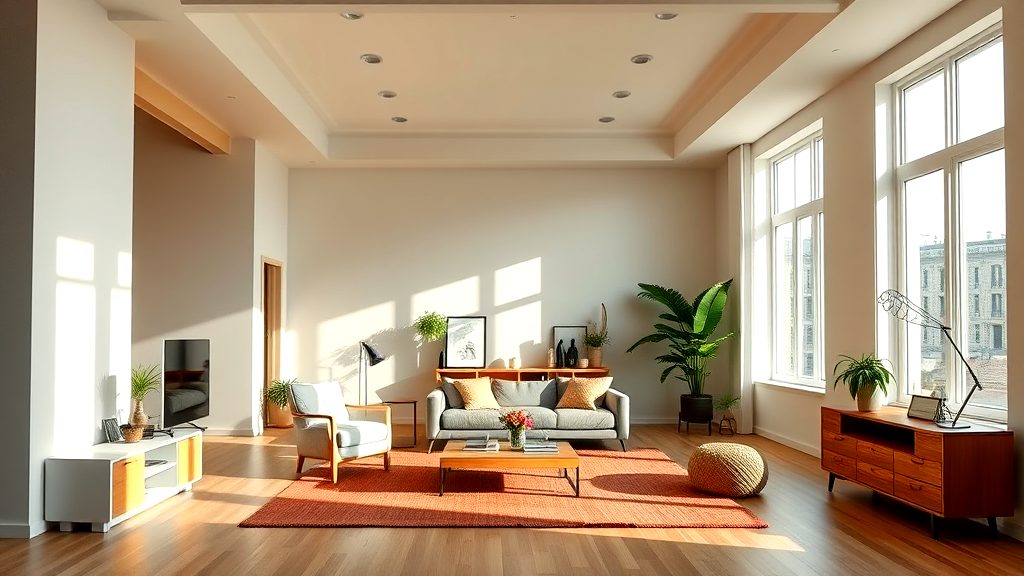
Deep Clean Every Corner
Ensuring your home is immaculate in every nook is crucial when you prepare a home for sale. A professional cleaning service might cost about $167, but the impact is priceless. Imagine buyers stepping into a spotless space, instantly feeling at ease. Carpets deserve special attention too, costing around $176 for a professional touch.
Don’t overlook hidden spots like baseboards or ceiling fans. Cleanliness here signals meticulous care. Investing in quality cleaning might be what makes your house ready for the market. I recall a time when a friend transformed his home with a simple deep clean—he sold it faster than expected.
If you’re unsure about timing or trends, I’ve discussed future real estate forecasts here. Or consider offering a home warranty to sweeten the deal for potential buyers, as discussed by experts on Angi.
Depersonalize for Buyer Appeal
To make your property more appealing, remove personal touches that might distract buyers. Imagine stepping into a gallery where blank canvases invite creativity. Removing family photos and eclectic collections allows them to picture themselves living there.
This approach helps when you’re ready to sell your house. Think of it as creating a stage where the buyer is the star. This subtle shift can even make the home feel larger and more inviting.
If you’re prepping your house, consider the power of neutral tones. They act like a blank canvas, inviting potential buyers to imagine their style in your space. If you’re curious about how these changes can impact negotiations, I recently wrote about the California Buyer Representation Agreement.
Neutralizing strong colors or unique decor can set the scene. While not everyone will appreciate your vintage lamp collection, a simple, elegant space can speak volumes.
Neutralize Strong or Unpleasant Odors
Wiping out overpowering or unappealing smells is essential when you prepare a home for sale. Say goodbye to lingering odors by opening windows to let fresh air circulate. Ventilation is your best friend here! Tackling smells from pets or cooking? Try a mix of vinegar and water for a natural deodorizer. It’s like magic in a spray bottle. For a deeper cleanse, consider hiring professionals. They know how to scrub away the stubborn stuff.
Did someone say baking soda? It’s your secret weapon against unwanted scents. Sprinkle it on carpets and let it sit for a bit before vacuuming. A simple yet effective trick. Need some more tips on prepping your house? Check out what others have said about home staging costs.
Finally, skip the heavy fragrances; they can be overwhelming. Keep it simple and fresh. After all, you want potential buyers to feel welcome, not overpowered.
Elevate Curb Appeal with Small Updates
Small changes can significantly boost your home’s allure. A new coat of paint on the front door can make your house pop. Adding vibrant potted plants instantly creates a welcoming vibe. These simple touches can make your house ready to sell, catching buyers’ eyes as they approach.
Basic yard maintenance is like giving your home a fresh haircut—it looks tidy and well-cared for. Keeping the lawn trimmed and hedges neat ensures your property feels loved. A clean driveway and polished walkway say, “Welcome home.”
Updating your house for sale isn’t just about aesthetics. It’s about making it feel like a place where new memories can be made. Imagine potential buyers seeing themselves living there, already planning their life within those walls.
These updates signal to any real estate agent that your house is ready to sell and standing tall against the competition.
Light Up Your Home with Natural Light
Drawing in more daylight can transform a space, making it inviting and warm. If you’re looking to prep your house, think about opening those heavy drapes. Swap out dark curtains for lighter ones or pull up the blinds entirely. This way, the sunlight can dance across your rooms, making them feel larger and more welcoming.
Consider upgrading to energy-efficient LEDs if your fixtures are outdated. These bulbs mimic daylight and can brighten spaces when the sun takes a break. A well-lit home feels open, which appeals to potential buyers. If your curb appeal is already on point, a bright interior seals the deal.
A real estate agent would agree, a bright home practically sells itself. When buyers step in, they shouldn’t squint, they should smile. With the right light, your house for sale becomes a beacon for potential memories.
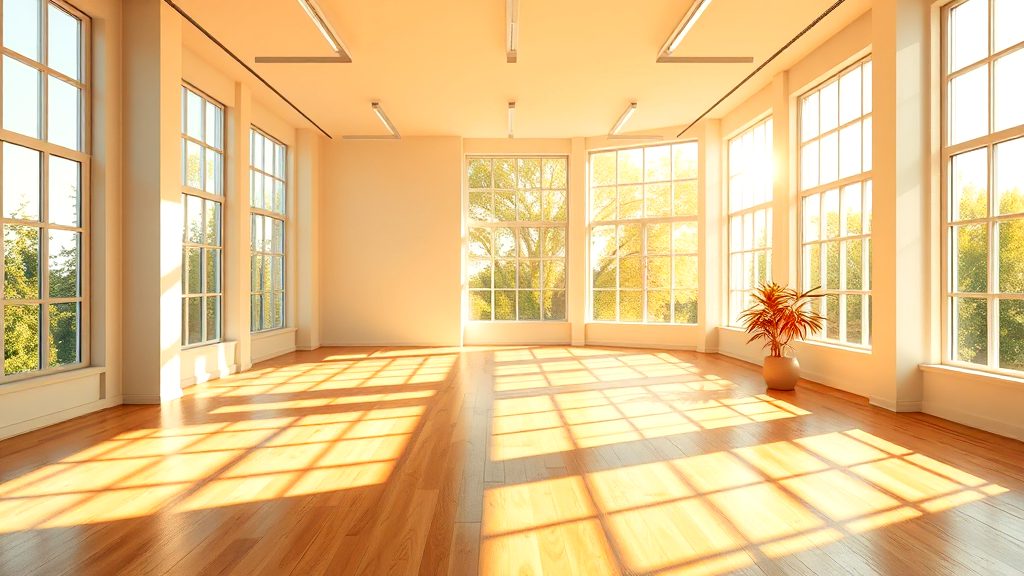
Consider Professional Home Staging
Thinking about bringing in a pro to stage your home? This can be a game-changer when you prepare a home for sale. Picture your space, transformed into a buyer’s dream—sounds tempting, right? Staging can highlight your home’s best features, making it more appealing.
Sometimes, it’s the small touches that make a big difference. An expert might add a splash of color here or a chic chair there, which can make a room pop. It’s like dressing your house for its big debut.
While professional staging might cost between $1,500 and $4,000, this investment often pays off. You’ll likely sell faster and snag a better price. So, if you’re serious about selling, consider this step. Your real estate agent will thank you, and the buyers will too. After all, first impressions are everything.
When your house for sale looks its best, it’s easier for buyers to imagine their future there.
Capture Perfect Listing Photos
To create stunning listing photos, it’s crucial to prep your house meticulously. Start by ensuring every room is well-lit and clutter-free. Clear countertops and straighten furniture to showcase each area’s potential. Think of your home as a blank canvas for potential owners.
Don’t forget about the exterior! Curb appeal plays a significant role in attracting interest. A freshly mowed lawn and some vibrant flowers can make all the difference. Highlight unique features—like a cozy fireplace or a spacious backyard—by positioning furniture to draw attention.
Hiring a professional photographer is often a smart move. They know the best angles to make your home look its best. With their expertise, your house for sale can stand out in a sea of listings. A well-prepped home not just attracts attention; it invites imagination. Potential buyers should be able to envision their life unfolding within these walls.
Prepare for Open House and Showings
Get your sanctuary spick and span for showtime. Keep the place spotless and clutter-free, ready to impress at any moment. It’s like having a surprise guest—everything should sparkle! Pets might need a little vacation with friends or family. Dust bunnies should be on the endangered list. Stick to a routine cleaning schedule, so there’s no panic when it’s go-time.
Consider a scent makeover—no one likes mystery odors. A fresh, inviting smell is a deal-sealer. Natural light is magical; open those curtains, let the sunshine in! It makes rooms feel bigger and more welcoming. Is the garden looking like a jungle? Tame it! A tidy garden boosts curb appeal and makes the first impression count.
Your real estate agent is your co-pilot in this adventure, so lean on their expertise. They can guide you through the preparation like a pro.
Organize Important Documents for Buyers
Organizing key documents is crucial when you prepare a home for sale. Imagine buyers flipping through an organized binder—now that’s impressive! Start with appliance warranties. Buyers appreciate knowing the lifespan of major items.
Next, gather inspection reports. Transparency is a trust builder. A surprise-free sale? Dreamy! Add repair and renovation records. They show your home’s history and care.
Here’s a fun idea: create a “Home Sweet Home” guide. Include neighborhood tips and local secrets. It’s like a gift to the new owners!
Keep everything neat. A simple folder or binder works wonders. When you hand over these documents, it’s like giving a map to treasure.
And don’t forget your real estate agent. They can point you to any other needed papers. Prep your house like a pro, and watch those offers roll in!
Conclusion
Prepping a home for sale might sound like a mountain to climb. But with the right approach, it’s more of a stroll in the park. Each step, from choosing the right agent to organizing essential documents, brings you closer to that “sold” sign.
Imagine your home as a blank canvas. By depersonalizing and decluttering, potential buyers can picture themselves there. A fresh coat of paint or a few new plants can transform your exterior. It’s the little touches that add up.
Don’t underestimate the power of light and cleanliness. A bright, spotless home signals warmth and care. Finally, don’t skimp on professional help when needed. Whether it’s staging or photography, expert touches can make all the difference. Ready to make that sale? Let’s get going!
FAQ
-
How can I find the right real estate agent for selling my home?
Look for an experienced agent with a good track record. Ask for recommendations from friends or family. Interview several agents to find one you trust. They can guide you on pricing and marketing strategies.
-
What repairs should I focus on before listing my home?
Start with simple fixes like squeaky doors and leaky faucets. Consider a pre-sale inspection to identify bigger issues. Addressing these can prevent buyer hesitation. Hiring professionals for major repairs is wise.
-
How important is decluttering before selling my home?
Decluttering is crucial. It makes your home feel spacious and inviting. Aim to remove about half of your personal items. Renting a storage unit can help keep your home tidy during showings.
-
What are cost-effective ways to enhance my home’s curb appeal?
Begin with basic yard maintenance like mowing the lawn and trimming bushes. Add potted plants or paint the front door for a fresh look. These small updates can greatly increase buyer interest.
-
Should I invest in professional home staging?
Professional staging often leads to faster sales and higher offers. Costs range from $1,500 to $4,000, but it can be worthwhile. Even minor staging tweaks can make a noticeable difference.
increasing home value with curb appeal
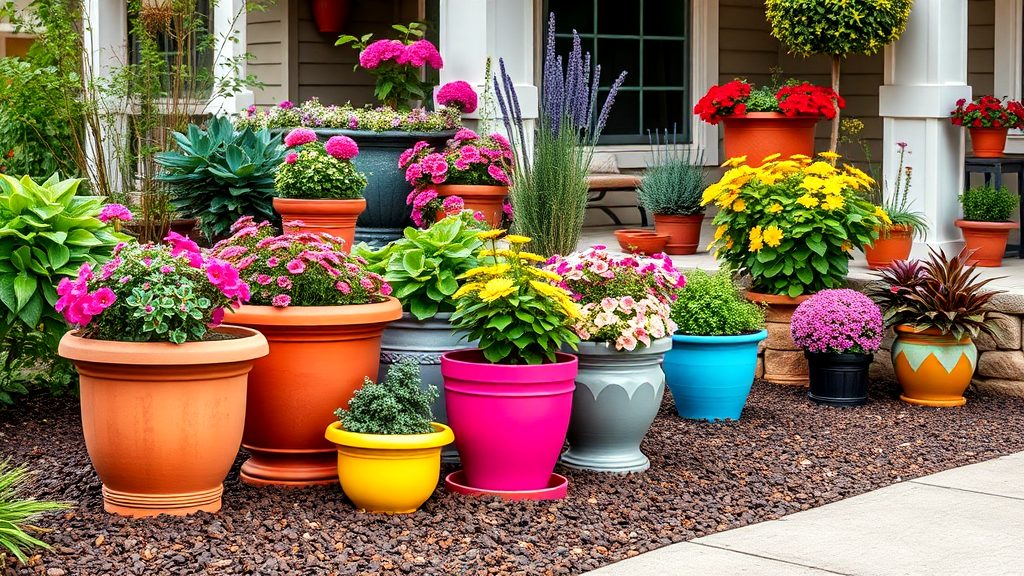
Understanding the Concept of Curb Appeal
Grasping the idea of curb appeal involves appreciating its power in increasing home value with curb appeal. First impressions are everything in real estate, and a well-maintained exterior can sway potential buyers. Tidy landscaping, fresh paint, and clean windows are just a few home improvements that can boost curb appeal. Beyond aesthetics, these enhancements increase property value and quicken sales. Curb appeal affects not just individual homes but entire neighborhoods, fostering community pride. In my piece about selling houses in 2024 or 2025, I discuss how curb appeal projects can significantly impact selling decisions. So, if you’re looking to improve curb appeal, consider these practical investments.
Why Curb Appeal Matters for Home Value
Exploring why curb appeal influences home value reveals its power in swaying potential buyers. A well-kept exterior can significantly impact perceptions, often fast-tracking sales. It’s a bit like dressing up for a first date; the right look can be a game-changer. Studies suggest that curb appeal improvements might account for up to 7% of a home’s value.
A vibrant yard and freshly painted door aren’t just pretty; they boost curb appeal and can elevate your home’s worth. For those contemplating a sale, consider the insights from my blog on selling your house to make informed decisions. Real-life stories echo that home improvements do more than improve aesthetics; they create inviting spaces.
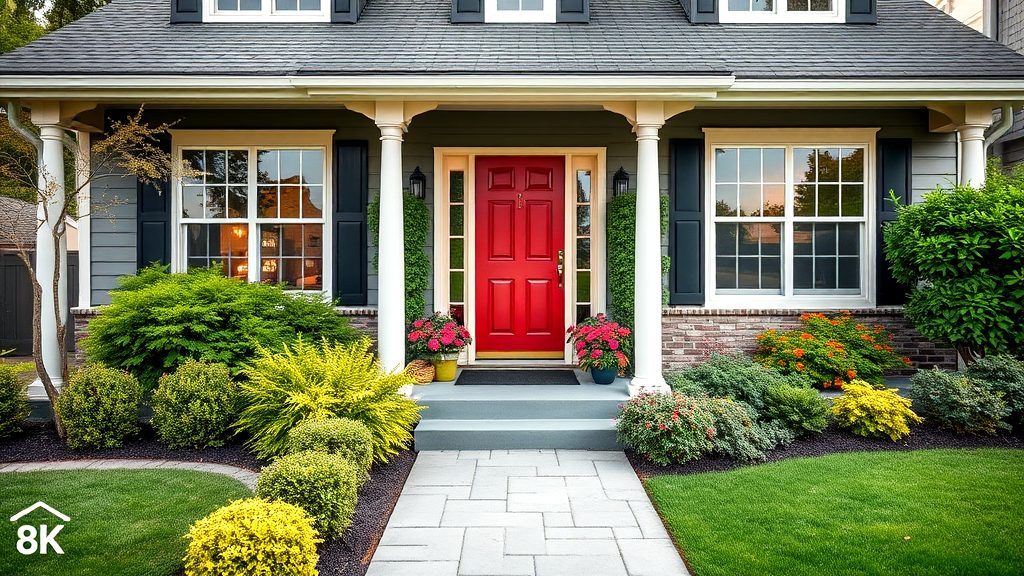
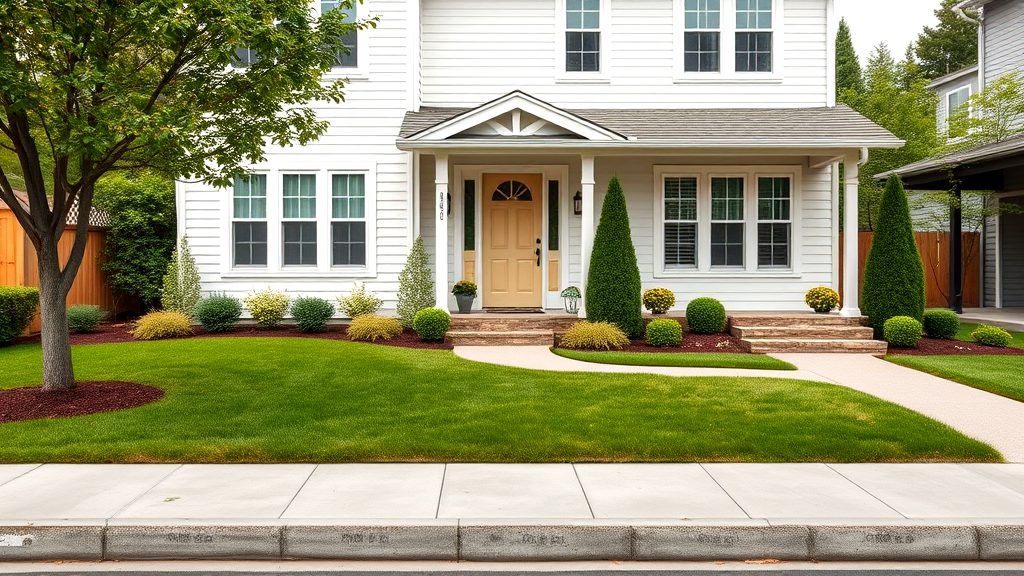
Stunning home with a bold red door, lush landscaping, and a welcoming front porch, showcasing great curb appeal.
The Impact of Curb Appeal on Neighborhoods
Reflecting on how curb appeal affects neighborhoods unveils its compelling role in community dynamics. A single home improvement, like painting or landscaping, can transform not just the house but the entire block. Picture a row of homes, each with vibrant gardens and fresh facades. It’s like turning a drab street into a cheerful postcard. This transformation often inspires neighbors to follow suit, enhancing the entire area’s charm. According to surveys, 98% of homeowners acknowledge the importance of such transformations for boosting community pride. Curious about how accessory dwelling units fit into this picture of neighborhood appeal? I’ve delved into this in my detailed post.
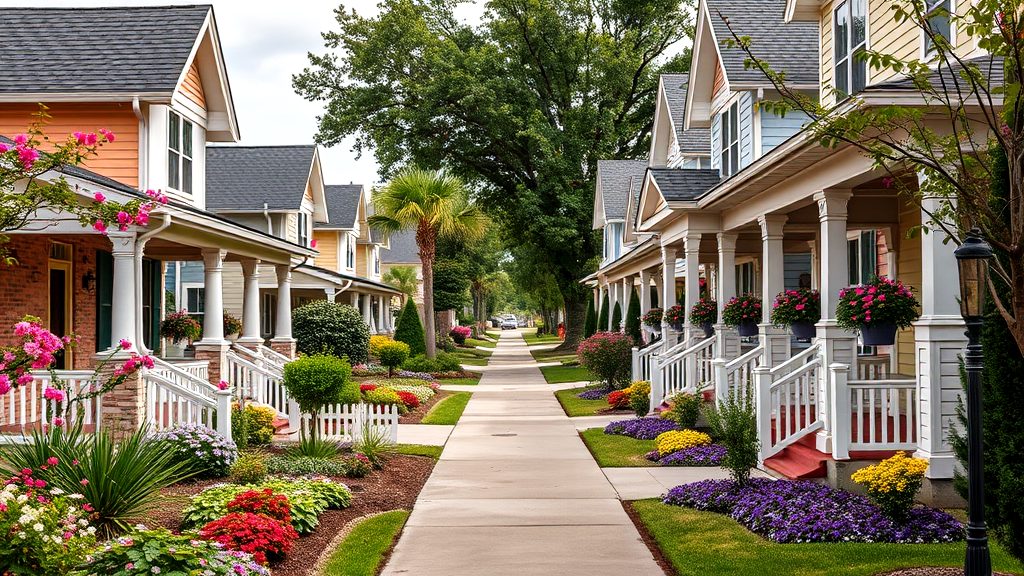
Top 5 Curb Appeal Improvements
Increasing home value with curb appeal can be a breeze with these improvements. Fresh exterior paint instantly elevates your home’s charm, potentially boosting resale value by $7,500. Landscaping not just beautifies but offers a 5-20% return on investment. Clean, updated doors and sparkling windows create a welcoming vibe. Curious about cost? Window cleaning ranges widely, but check this link for more details. Keep roofs and gutters well-maintained to avoid turning buyers away. Energy-efficient lighting enhances security and aesthetic appeal. Each of these strategies adds value, making your home the neighborhood gem. With these simple tweaks, your house becomes the talk of the town!
Refreshing Your Home’s Exterior Paint
Breathing new life into your home with a fresh coat of paint is like putting on a new suit for a special occasion. This simple update can significantly boost your home’s curb appeal, making it stand out in the neighborhood. A crisp, clean exterior not just attracts eyeballs but can also add up to $7,500 to your resale value. It’s like finding money under the couch cushions! When picking colors, think timeless and inviting rather than trendy. This smart choice will not just enhance your home’s charm but also contribute to the neighborhood’s overall beauty. So, with a bit of paint, you’re not just improving curb appeal, you’re increasing home value!
Enhancing Landscaping for Better Visuals
Improving the visuals in your garden can feel like a magic touch for your property. With a few smart home improvements, you can truly transform your space. Think about introducing colorful flower pots or adding a layer of mulch for a budget-friendly facelift. These simple changes can drastically improve curb appeal, giving your home a fresh and inviting look. Not to mention, they might also boost your home’s value by 5-20%. Whether you love gardening or just want a quick fix, these curb appeal projects offer a fantastic return on investment. Transform your garden into a vibrant oasis and watch your home shine in no time!
Upgrading Doors and Windows
Revamping your entryways and panes can significantly boost your home’s allure, increasing home value with curb appeal. Fresh doors and spotless windows catch eyes, setting a welcoming tone. Picture arriving home and seeing gleaming glass and a vibrant door. It’s like a hug after a long day!
Door repainting costs between $112-$205, a small price for a big impact. Such upgrades not just improve curb appeal but offer great returns. Simple tweaks make your home the neighborhood darling. Friends may even drop by more often, admiring your stylish upgrades. It’s like having paparazzi at your doorstep, but with friends and admiration instead!
Maintaining Roof and Gutters
Keeping your roof and gutters in top shape is essential for increasing home value with curb appeal. Picture neglected gutters overflowing, causing potential water damage. Yikes! Regular cleaning prevents such mishaps. Also, a well-maintained roof speaks volumes about your care for the home. It’s like wearing polished shoes with a sharp suit—everything looks better.
Roof repairs might seem like a chore, but they protect against leaks and mold. Plus, a clean roof enhances the overall charm of your home, making it more attractive to potential buyers. These small home improvements can make a big difference. Remember, a stitch in time saves nine—so tackle those little issues before they become big ones!
Adding Energy-Efficient Outdoor Lighting
Increasing home value with curb appeal can start by installing eco-friendly lighting outside. Lighting sets the mood and adds safety, making your home inviting both day and night. Imagine coming home to a warm glow that highlights your favorite garden features or a welcoming pathway. Energy-efficient lights not just save on bills; they also attract eco-conscious buyers.
Consider sensor lights for added security without the energy waste. With strategic placement, these lights can transform your home’s nighttime look. You’ll see an increase in neighborhood admiration too. This is one of those curb appeal projects that pays back. A little light goes a long way in making your property shine brighter than ever.
Common Curb Appeal Mistakes to Avoid
Avoiding common mistakes is key when increasing home value with curb appeal. Over-investing in flashy features can backfire, leaving potential buyers scratching their heads. Choose simple, timeless designs instead. Bold colors might make a statement but can also scare off buyers.
It’s like wearing a clown suit to a job interview—best to keep things neutral. Always maintain your lawn; a jungle-like yard is a surefire way to lower value. If you’re curious about long-term market trends affecting home value, I discuss this in my real estate forecast piece.
Finally, ignore small repairs at your peril. A broken mailbox or chipped paint can speak louder than a thousand words!
Hiring Professionals for Curb Appeal Projects
Selecting experts for projects related to enhancing curbside beauty can be a savvy move. They bring experience, ensuring every cent spent contributes to increasing home value with curb appeal. Professionals provide guidance on design choices, so your home doesn’t end up looking like a circus tent. They know the nitty-gritty like choosing the right plants or the perfect paint shade.
Home improvements are made smoother with pros who offer written bids. You won’t end up with unexpected costs spiraling out of control. References are gold; don’t shy away from asking for them. This way, you feel more secure in your choices. Skilled contractors enhance your property while saving you time and headaches.
Evaluating Return on Investment for Improvements
Evaluating which upgrades pay off demands a keen eye on increasing home value with curb appeal. Prioritize projects that offer both aesthetic and financial rewards. Think of fresh paint or spruced-up landscaping; they often deliver substantial returns. Consider the neighborhood vibe; align improvements with local aesthetics to maximize appeal. Fancy a new door or sparkling windows? They might cost more upfront but often woo potential buyers. While assessing these decisions, tap into resources like my piece on conventional loans. It provides insights into financing options for your projects. Every enhancement should be a step toward not just making your home attractive but also boosting its market value.
Conclusion
Curb appeal is more than just a facelift for your home; it’s a passport to increased value. Think of it like dressing up for a special occasion. You wouldn’t wear a wrinkled shirt to a wedding, right?
Investing in curb appeal not just boosts property value but also uplifts neighborhood pride. It’s like giving your home a firm handshake to potential buyers.
Making these changes doesn’t have to break the bank. Simple fixes like painting or adding flower pots can do wonders. But remember, it’s not just about looks. It’s about creating a welcoming atmosphere that says, “Come on in and stay awhile.”
With a little effort and creativity, your home can become the talk of the town. So go on, roll up those sleeves and start transforming your home, one step at a time!
FAQ
-
What Exactly is Curb Appeal?
Curb appeal is your home’s first impression. It’s about how inviting your home looks from the street. It includes the exterior, landscaping, and even the maintenance of your property. Think of it as dressing your house for success!
-
Why Should I Care About Curb Appeal for Home Value?
Curb appeal isn’t just about looks; it’s about value too. It can add up to 7% to your home’s worth. Plus, homes with great curb appeal sell faster. Imagine your house as the belle of the ball, catching every potential buyer’s eye.
-
How Do Curb Appeal Improvements Affect My Neighborhood?
Your home improvements can lift the whole neighborhood’s vibe. A well-kept front yard encourages neighbors to spruce up theirs too. It’s like a domino effect of beauty and pride on your street. Who doesn’t love living in a charming community?
-
What Are Some Top Curb Appeal Improvements?
Start with a fresh coat of paint; it’s a game-changer! Landscaping upgrades, like adding flower pots, also make a big splash. Don’t forget about doors and windows—a clean, shiny look goes a long way. Regular roof and gutter maintenance is crucial too.
-
Are There Common Mistakes to Avoid in Curb Appeal Projects?
Yes, there are a few traps to steer clear of. Over-investing in non-essential features is one. Also, avoid picking overly bold exterior colors that might not appeal to everyone. Stick to classic styles to enhance your home’s charm without going overboard.
Cheapest Places to Buy a House in California
Cheapest Places to Buy a House in California
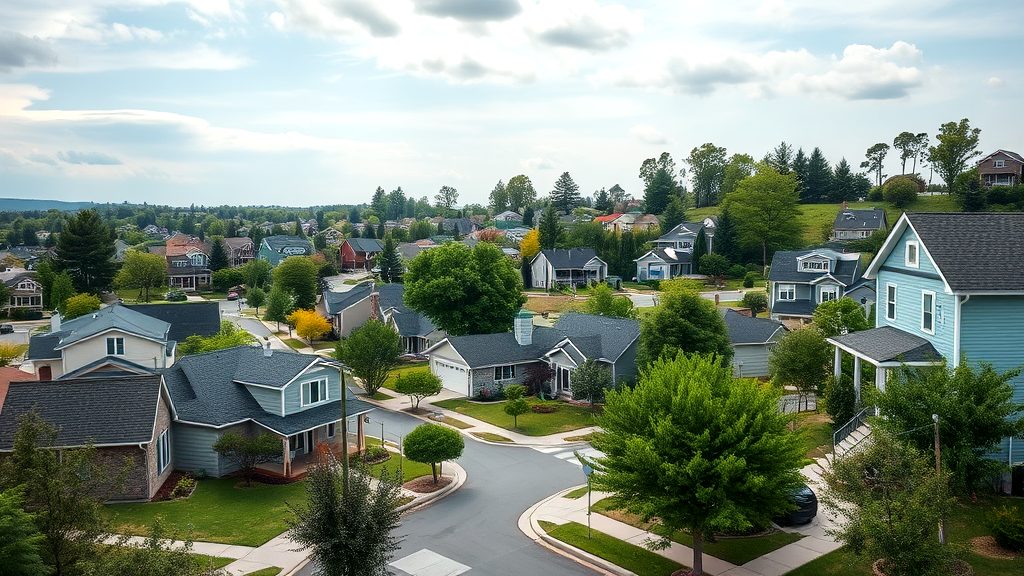
Looking for a home in California without breaking the bank? You’re in luck! There are several cheapest places where you can buy a house without emptying your wallet. Sure, we all dream of living near Los Angeles or San Francisco, but those areas come with a high price tag. Instead, think about places like Bakersfield or Fresno. These spots offer a lower cost of living and more reasonable median house prices. Whether you’re drawn to the Central Valley’s charm or the coastal vibes of Eureka, there are places to buy that fit various lifestyles. Explore your options, and you might just find the perfect place to call home!
Key Takeaways
-
Bakersfield and Fresno offer affordable places to live with a lower cost of living.
-
Stockton and Eureka provide budget-friendly options with charming settings and job opportunities.
-
Clearlake and Blythe are ideal for nature lovers seeking cheapest places with peaceful environments.
-
Merced and West Sacramento balance affordability with access to jobs and amenities.
-
Consider Tulare or Porterville for lower costs, especially if you want to live in California.
Understanding California’s Housing Market
Examining California’s real estate scene reveals a fascinating interplay of factors influencing affordability. Curious about where in California is it cheapest to buy a house? Well, places like Porterville offer a budget-friendly lifestyle, thanks to its relatively low costs. Meanwhile, Fresno stands out as a city with lower living expenses and a diverse job market. According to BestPlaces, Porterville shines with a favorable cost of living index. When considering where to settle, these spots offer a chance to balance lifestyle with median house price savings.

Factors Influencing House Prices in California
Exploring the dynamics that shape property values in California reveals the role of economic factors, employment prospects, and regional demand. Areas offering vibrant job markets or alluring tourist spots often experience higher valuations. Wondering where in California is it cheapest to buy a house? Opt for places like Fresno, boasting affordable costs and diverse job options. Curious about future trends? I wrote an article about the real estate forecast for the next 5 years. Balancing lifestyle with cost of living savings is key.
Bakersfield: Affordable Living in the Valley
In the heart of the Valley, Bakersfield offers an enticing mix of affordability and accessibility. This city is a gem for those wondering where in California is it cheapest to buy a house. With a median house price much lower than the state average, Bakersfield is a magnet for budget-conscious homebuyers. Its strategic position between major urban areas makes it a prime choice without the urban price tag. Want to know more about the economic factors at play? The Harvard housing report provides valuable insights.

Exploring Real Estate in Fresno
Venturing into Fresno’s real estate scene reveals a city with surprisingly affordable options. Wondering where in California is it cheapest to buy a house? Fresno should be on your radar. It not just offers lower living costs, but also a rich tapestry of employment opportunities in fields like healthcare and farming. Have you thought of areas like Calwa or Edison? They’re pocket-friendly and inviting. While you’re considering options, don’t overlook the potential of adding an accessory dwelling unit. I recently explored this idea here.
Stockton: A Budget-Friendly Option
Opting for a budget-friendly city like Stockton can be a savvy choice. Located in California’s Central Valley, Stockton offers a blend of urban amenities and natural beauty. Curious about where in California is it cheapest to buy a house? Stockton stands out with its lower median house price compared to other regions. The city’s economy thrives in sectors like manufacturing and healthcare, providing diverse job opportunities. If you’re weighing your options, Stockton is one of the cheapest places to live in California without sacrificing quality of life.
The Appeal of Living in Eureka
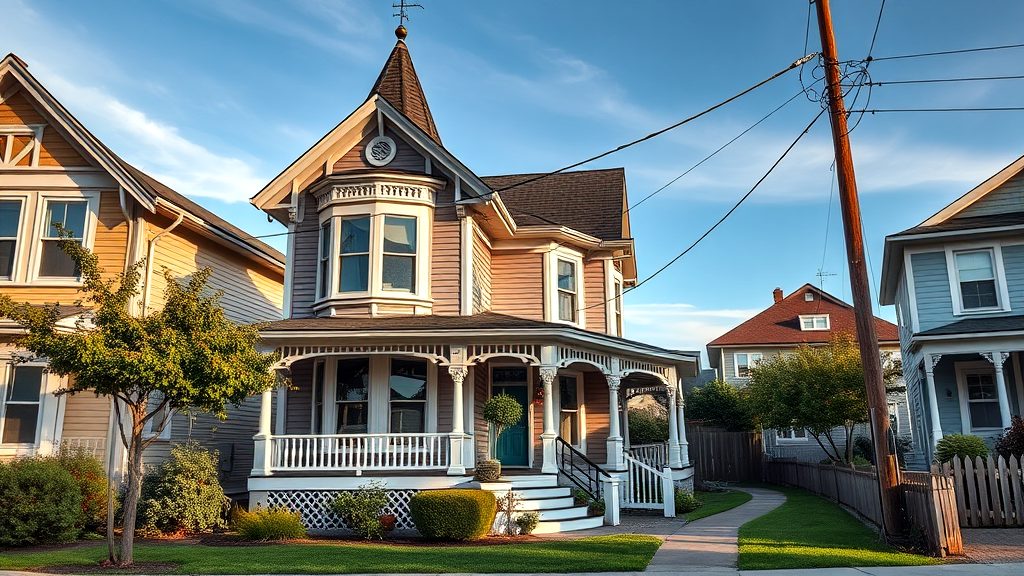
The allure of residing in Eureka lies in its unique blend of charm and affordability. Imagine strolling past Victorian architecture while savoring the salty breeze of the coast. Eureka offers one of the cheapest places to buy a home in California, making it a haven for those seeking a balance of tranquility and practicality. With a cost of living below the national average, it attracts those wanting to live in California without the usual financial strain. The median house price here is a breath of fresh air compared to more bustling regions.
Why Consider Clearlake for Your Next Home?
Considering Clearlake for your future residence offers a unique blend of affordability and tranquility. Situated north of Sacramento, Clearlake stands out for those wondering where in California is it cheapest to buy a house. Nature lovers will appreciate its serene environment, complete with outdoor activities and scenic landscapes. Curious about the financial perks? Residents enjoy lower property taxes and utility costs, making it an economical choice. Clearlake is one of those places to live where you can truly unwind and relish peace without breaking the bank. Plus, it offers an inviting community charm.
Blythe: A Hidden Gem for Homebuyers
Blythe, a little-known treasure for those asking, “Where in California is it cheapest to buy a house?” offers a slice of affordable paradise. Nestled in the southeast, this city charms with its budget-friendly homes and outdoor adventures. The median house price here is a breath of fresh air compared to urban giants. Job growth prospects add an extra sprinkle of appeal. Plus, its parks and rivers make it a dream for nature lovers. For some numbers, check the cost of living in West Sacramento.
Discovering Affordable Homes in Ukiah
Finding wallet-friendly housing in Ukiah is like discovering a hidden gem. Nestled in a scenic locale, Ukiah offers an inviting small-town charm with vineyards and lakes nearby. For those curious about where in California is it cheapest to buy a house, Ukiah’s affordability is a compelling answer. The median house price here is less daunting, making it one of the appealing places to live if you’re budget-conscious. Interested in a harmonious lifestyle? Ukiah might just be your ideal spot.
Merced: A Cost-Effective Choice
Choosing Merced as a cost-effective option offers more than just affordability. With its lower median house price, Merced is a practical choice for those contemplating where in California it is cheapest to buy a house. The city is not just about savings; it offers rich job opportunities, particularly in agriculture and education, balancing cost with convenience. Curious about current home value trends? Zillow provides detailed insights into Merced’s market dynamics here.
House Prices in West Sacramento
Exploring home values in West Sacramento reveals a city offering surprisingly affordable living. It’s not the cheapest place to buy a house in California, but it doesn’t break the bank either. The cost of living is slightly above the national average, but still more budget-friendly compared to other nearby regions. This city is a great spot for families and individuals looking for a balance between city amenities and suburban comfort. For those searching for the cheapest places to live, you might need to explore other areas.
Chico: An Affordable City to Live
Chico offers a blend of affordability and vibrant living. Wondering where in California is it cheapest to buy a house? Chico might be your answer. With a median house price below many urban areas, it’s a budget-friendly choice for families and individuals. Chico’s educational institutions and industries like agriculture and manufacturing provide job opportunities, enhancing its appeal. Picture a community where the cost of living doesn’t break the bank, making it one of the more attractive places to live in California.
Compare Costs and Lifestyle: Tulare vs. Porterville
Comparing costs and lifestyle in Tulare and Porterville, both offer affordable living with a community feel. Tulare shines with its agricultural roots, while Porterville’s economic growth brings fresh opportunities. The cost of living is favorable in both, making them attractive places to live in California. Wondering “Where in California is it cheapest to buy a house?” These two towns might just be the ticket. For insights on demographics, visit World Population Review. Each city has its charm, offering a unique sense of community and lifestyle for potential homeowners.

Tips for Finding Budget-Friendly Homes
Aiming to find budget-friendly houses? Consider these nuggets of wisdom. First, explore places to live away from bustling hubs; they often promise lower costs. Next, delve into local market vibes to spot the cheapest places. Seek out emerging neighborhoods with potential growth. Then, team up with savvy real estate agents who know the ropes. Prioritize spots balancing affordability and amenities. Finally, figure out the cost of living and your own budget. Keep an eye on median house price trends. Remember, the right place awaits!
Conclusion
Exploring affordable housing in California is like finding hidden gems. While the state is famous for its high prices, there are still opportunities. Cities like Bakersfield, Fresno, and Stockton offer more bang for your buck.
Places like Eureka and Clearlake provide picturesque settings alongside affordability. Job markets in these areas are growing, making them attractive to potential homeowners.
Consider lifestyle preferences and regional amenities while house hunting. Taking time to research and understand local markets can lead to finding a home that fits your budget and lifestyle. California may be expensive, but smart choices can lead to affordable living.
FAQ
-
What are the most affordable places to buy a house in California?
Bakersfield, Fresno, and Stockton top the list. They offer lower-than-average prices. Eureka and Clearlake are also budget-friendly choices. Each has its own unique perks.
-
Why is Bakersfield considered affordable for homebuyers?
Bakersfield’s median home price is lower than the state average. It’s close to Los Angeles and San Francisco. Key neighborhoods like Oleander-Sunset offer great value.
-
What makes Fresno a good choice for affordable living?
Fresno boasts low home prices and cost of living. It has a diverse economy with jobs in agriculture and healthcare. Neighborhoods like Calwa and Edison are affordable.
-
How does Stockton provide budget-friendly housing?
Stockton’s median home price is below many California urban areas. It’s in the Central Valley, offering city life and natural beauty. The job market is strong in sectors like education and healthcare.
-
What factors influence house prices in California?
Several factors impact prices. Economic conditions and employment opportunities are key. Proximity to big city areas and lifestyle amenities also matter.
Things that fail a Home Inspection

Home Inspection Failures Explained
Understanding the things that fail a home inspection can help us avoid costly surprises later. No home is perfect, and even the most charming properties may have hidden issues. From foundation cracks to electrical hazards, knowing what inspectors look for is essential.
We’ll explore the common home inspection pitfalls that can lead to a failed home inspection. This guidance will empower us to tackle these problems head-on, potentially saving us money on repairs and improving our home’s value.
By the end, we’ll feel more confident navigating the home inspection process and addressing any home inspection issues that arise. Let’s get started on this journey together!
Key Takeaways
-
Foundation issues like cracks and uneven floors can lead to a failed home inspection.
-
Roofing problems, such as missing shingles or leaks, are significant home inspection fails.
-
Plumbing leaks and pressure inconsistencies can cause costly home inspection issues.
-
Electrical hazards, including faulty wiring, often lead to failed home inspections.
-
Mold and moisture concerns must be addressed to avoid serious home inspection problems.
Foundation and Structural Concerns
Problems with the foundation and structure can lead to things that fail a home inspection. We often see various issues that raise red flags for inspectors. Here are some common culprits:
-
Cracks in walls: Horizontal or vertical cracks can indicate serious foundation issues.
-
Uneven floors: Sloping or bouncy floors may suggest underlying structural problems.
-
Doors and windows: If they stick or don’t close properly, it could signal settling issues.
-
Water drainage: Poor drainage around the foundation can lead to moisture problems.
-
Visible joists: Exposed or damaged joists can compromise structural integrity.
-
Basement leaks: Water penetration in basements often points to foundation weaknesses.
-
Gaps in trim: Uneven gaps around windows and doors can signal shifting foundations.
-
Pest infestations: Termite damage can undermine structural support.
Addressing these concerns early can save us from hefty repair costs and increase our home’s appeal. Ignoring them might lead to a failed home inspection, jeopardizing our selling plans.
Common Roofing Problems
Roofing issues often arise in the context of home inspections, leading to potential home inspection failures. Common concerns include missing shingles, which can expose the roof to water damage. We should keep an eye out for leaks in the attic or ceiling, as these often indicate underlying problems. Structural weaknesses, like sagging or uneven roofs, can raise red flags during inspections.
Another factor is the condition of the flashing. Damaged flashing around vents, chimneys, or skylights can allow water intrusion. We must also take note of moss and algae growth, as they can deteriorate roofing materials over time.
Regular maintenance, including gutter cleaning and inspections, helps us catch these issues early. Addressing these problems can prevent costly repairs and enhance our home’s value. Ultimately, ensuring our roof is in good shape is crucial for passing inspections and avoiding the common pitfalls that lead to home inspection failures. For more details, I often refer to my insights on the transfer disclosure statement (TDS).
Plumbing and Pipe Issues
Issues related to plumbing and pipes often lead to serious home inspection failures. Common problems include leaks, corrosion, and inadequate water pressure. A small leak can create significant water damage over time, resulting in costly repairs that can scare off potential buyers.
We should inspect for water stains on walls and ceilings. These can indicate hidden leaks or pipe problems. If we notice low water pressure, it might signal clogs or damaged pipes.
Older plumbing systems, especially those made of outdated materials, can also cause headaches during inspections. Replacing galvanized pipes or old PVC can enhance safety and efficiency.
Don’t forget to check our water heater for signs of rust or leaks. A well-maintained plumbing system is essential for passing inspections and ensuring a smooth sale process.
Addressing these plumbing concerns proactively can save us from unexpected home inspection costs and potential negotiation issues later on. For more details on related costs, I often consult my insights on the average home price in California.
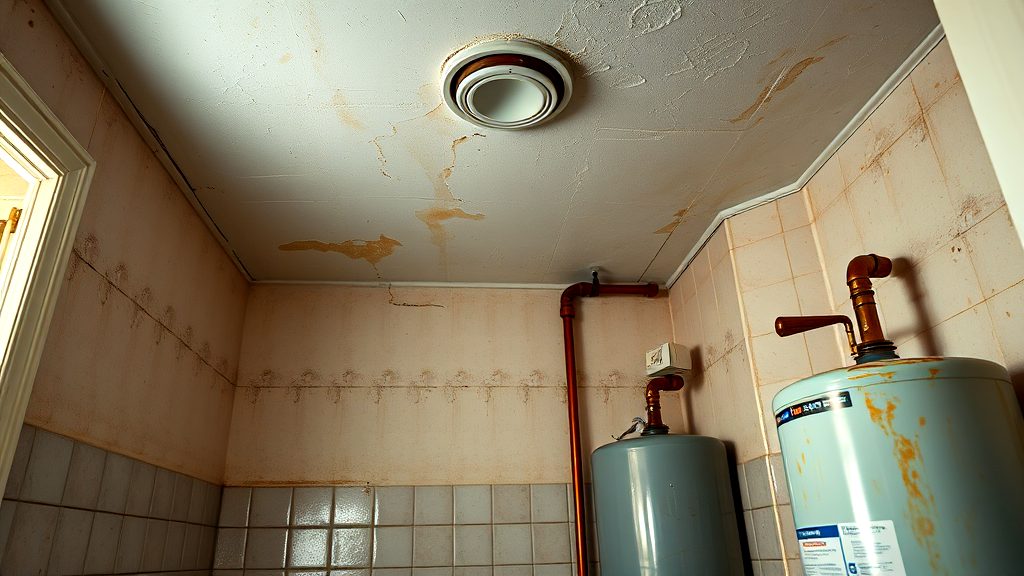
Electrical System Hazards
Addressing electrical issues is crucial for maintaining safety and ensuring compliance with inspection standards. Outdated wiring can lead to serious hazards, potentially causing fires or electrical failures. We should prioritize upgrading any old or damaged wiring systems to meet current safety codes.
Improperly installed outlets and switches can also raise red flags during a home inspection. Loose connections or exposed wires not just fail inspections but can pose danger to occupants. Inspecting all outlets and switches for proper installation is key.
Another common concern is the main electrical panel. If it’s outdated or inadequate for the home’s needs, it may need replacing. A modern panel ensures safety and functionality, which is essential for passing inspections.
Finally, we cannot overlook the presence of ground fault circuit interrupters (GFCIs) in areas prone to moisture, like kitchens and bathrooms. Installing these devices can prevent shocks and is often required by code. Taking these steps will help us avoid one of the many things that fail a home inspection. For more on potential hazards, check my guide on natural hazard disclosure.
Building Code Violations to Avoid
We should keep our eyes peeled for building code violations that can lead to failed inspections. First up, improper electrical wiring can be a major red flag. If connections aren’t up to code, it could pose serious risks.
Next, let’s talk about plumbing systems. Outdated or improperly installed plumbing can lead to leaks and water damage. Such issues often result in costly repairs and failed inspections.
We also need to consider structural modifications made without permits. Any changes to load-bearing walls or foundations must comply with local codes. Failure to do so is one of the things that fail a home inspection.
Another concern is the use of hazardous materials. Homes with asbestos or lead paint require special handling and remediation. Ignoring these materials can lead to serious safety risks.
Lastly, don’t overlook ventilation systems. Poor ventilation in attics or crawl spaces can cause mold growth, another inspection failure point. Staying on top of these areas helps us avoid headaches during home inspections.
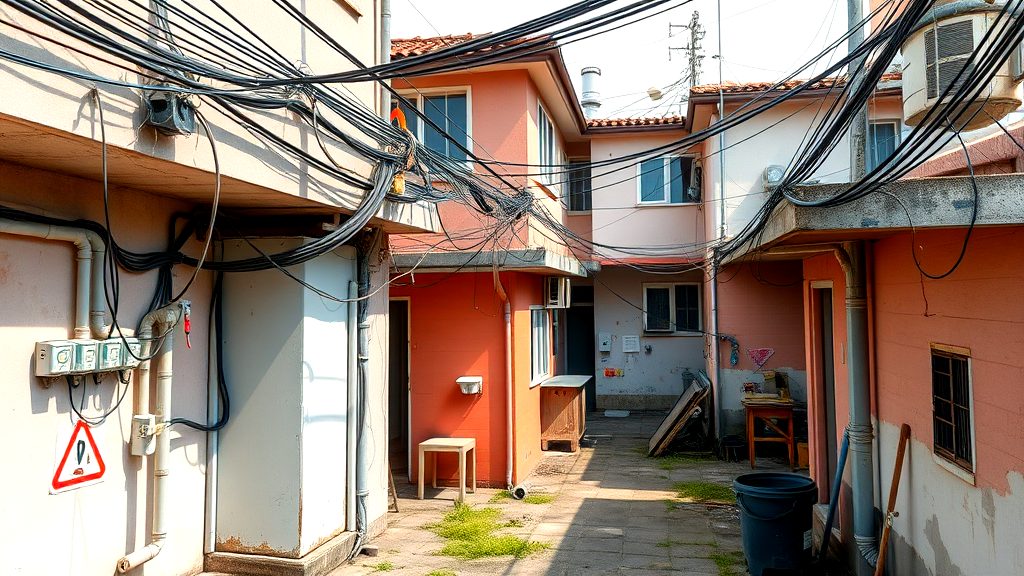
Heating and Cooling System Failures
Heating and cooling system troubles are common culprits in things that fail a home inspection. We often see issues like faulty thermostats, which can lead to inconsistent temperatures. This not just affects comfort but raises flags during inspections.
Another common problem is insufficient airflow. Blocked vents or dirty filters can hinder the system’s efficiency. This results in increased energy bills and potential system breakdowns. Regular maintenance can prevent these issues from escalating.
Carbon monoxide leaks are a major safety concern. We must ensure that all gas furnaces and water heaters are properly vented and inspected. This protects both occupants and the home’s marketability.
Inadequate insulation can also lead to inspection failures. If our HVAC system works harder due to poor insulation, it can result in costly repairs. Addressing insulation issues can enhance energy efficiency and comfort levels.
Lastly, we should check for visible wear and tear on ducts and vents. Any visible damage can indicate larger problems, impacting inspection outcomes. Keeping these systems in check is crucial for ensuring smooth home inspections.
Mold, Moisture, and Water Damage
Issues related to mold, moisture, and water damage are often red flags during inspections. These problems frequently signal hidden leaks that can wreak havoc on a home’s structure and air quality. When we notice damp spots or musty odors, it’s time to investigate further.
Ignoring these signs can lead to significant costs later on, as mold growth can cause serious damage and even affect our family’s well-being. We should always check for water stains on walls and ceilings, as these can indicate ongoing moisture problems.
Addressing these concerns early not just protects our investment, but also boosts our home’s appeal to potential buyers. Homes with a history of moisture issues can lead to common home inspection failures, resulting in negotiations that reduce the property’s value.
A thorough inspection of plumbing and roofing systems is essential. For us, understanding the inspection cost can guide our maintenance priorities. We can avoid future pitfalls by being proactive today. More importantly, we create a safer environment for ourselves and our loved ones.
Pests and Termite Infestations
Pest and termite issues can lead to serious consequences for any homeowner. Termite infestations particularly threaten a home’s structural integrity, often going unnoticed until significant damage occurs. Regular inspections help identify these pests early, allowing us to take action before they compromise our property.
We should be proactive in maintaining our homes. This includes scheduling pest control treatments and ensuring the area around the home is free of wood debris and moisture, which attract pests. A well-maintained property is less likely to experience pest infestations.
Ignoring signs of pests can lead to home inspection fails. Buyers may walk away from a deal if they find evidence of termites or rodents. Maintaining a pest-free environment not just protects our investment but also enhances our home’s marketability.
In the long run, investing in pest control saves us money. By addressing these concerns now, we can avoid costly repairs later and ensure our home remains a safe haven for our family. Regular vigilance will keep our home strong and resilient against pests.
Window and Door Malfunctions
Issues with windows and doors can lead to significant home inspection fails. Malfunctions often manifest as difficulty in opening or closing, misalignment, or gaps that allow air leaks. These problems can indicate deeper structural issues, such as settling or water damage.
Moreover, damaged seals or broken locks compromise security and energy efficiency. A well-functioning door or window is crucial for maintaining the home’s temperature and preventing moisture intrusion.
Regular inspections and maintenance can help us avoid these pitfalls. We should check for any signs of wear, such as cracked frames or worn-out weather stripping. Addressing these concerns early not just enhances our home’s value but also ensures a smoother inspection process.
Investing in repairs or replacements may seem costly upfront. However, it can save us in the long run by preventing larger issues. For those considering purchasing a property, understanding the potential inspection cost related to these malfunctions is key. Familiarizing ourselves with these factors can lead to better-informed real estate decisions. Check my insights on the average price of a house in California.
Hazardous Building Materials
Older structures often hide hazardous materials that can lead to serious issues. Common culprits include asbestos and lead paint, which pose risks to our well-being. If these substances are present, they can become significant red flags during inspections, resulting in things that fail a home inspection.
Identifying these materials is crucial for ensuring occupant safety. We should consider hiring certified professionals for proper testing and removal. This proactive step can save us from costly remediation later on.
Failing to address these hazards can lead to higher inspection costs and complications in the sale process. Buyers may walk away from a deal if they discover unsafe materials. Awareness and transparency about these risks can enhance our negotiation power.
In short, let’s not overlook the hidden dangers lurking in our homes. Taking the necessary measures to identify and remove hazardous materials not just protects us, but also ensures we pass the inspection with flying colors.

Conclusion
Home inspections can be a make-or-break moment in real estate transactions. Knowing what to look for can save us from unexpected headaches later on. By focusing on foundation, roofing, and plumbing issues, we can ensure our property is in good shape before it hits the market.
Let’s not overlook electrical hazards and HVAC failures either. Addressing these concerns keeps us safe and gives potential buyers peace of mind. Regular maintenance and prompt repairs can prevent small problems from spiraling into major setbacks.
In the end, staying informed about common inspection failures helps us protect our investments. A proactive approach not just enhances property value, but also builds confidence in potential buyers. Let’s keep our homes safe, functional, and ready for any inspection that comes our way!
FAQ
-
What are the most common reasons for home inspection failures?
Common reasons include foundation issues, roofing problems, plumbing leaks, and electrical hazards. Each of these can significantly impact a home’s safety and value. -
How can we identify plumbing problems before a home inspection?
We should look for signs like leaks, low water pressure, and water stains on walls or ceilings. Checking under sinks and around fixtures can reveal hidden issues. -
What structural signs indicate foundation problems?
Look for cracks in walls, uneven floors, or doors that stick. These signs can signal serious foundation issues that need immediate attention. -
Why are pests a concern during home inspections?
Pests, especially termites, can cause significant structural damage. Regular inspections help us catch infestations early and maintain our home’s integrity. -
How do building code violations affect home inspections?
Violations can lead to failed inspections and costly repairs. We should ensure all renovations comply with local codes to avoid these issues.
What is the average price of a house in California?

Average House Prices in California
Buying a house in California can feel like a rollercoaster ride. The median price is $843,340, much higher than the national median. This is common in areas like the Bay Area and Los Angeles. But don't fret! Places like Sacramento offer more affordable options.
Wondering about the cost to buy? It's not just the price tag. There are also closing costs and other fees. A 20% deposit can be hefty, around $168,668 for a median-priced home.
Thinking of using a real estate agent? They're your best friend in this market. They help with negotiations and finding the right spot. The California Association of Realtors offers valuable data to guide your decisions.
Key Takeaways
-
The median house in California costs $843,340, much above the national average.
-
California home prices vary, with Santa Clara at $1.4 million and Los Angeles over $600,000.
-
Affordable options exist in places like Sacramento, attracting residents from pricier areas.
-
To buy a house, consider the cost to buy, like a 20% deposit of around $168,668 for median homes.
-
A real estate agent can guide you through the market, using data from the Association of Realtors.
Current Market Trends in California Real Estate
The latest trends in California's real estate market showcase some intriguing dynamics. With the average price of a house in California sitting at $843,340, this figure reflects the costly allure of regions like the Bay Area and Los Angeles. Meanwhile, Sacramento offers a more budget-friendly choice, pulling in those seeking affordability. Tech hubs continue to push prices skyward, making places like Silicon Valley remarkably expensive.
In terms of variations, folks can observe dramatic price differences depending on the region. For instance, while Santa Clara County boasts prices around $1.4 million, Sacramento remains a haven for more economic options. If you dream of a California home but balk at the price, read my thoughts on real estate forecasts for the next five years.
If you're pondering the cost to buy, remember that areas differ significantly, offering hope for potential buyers.
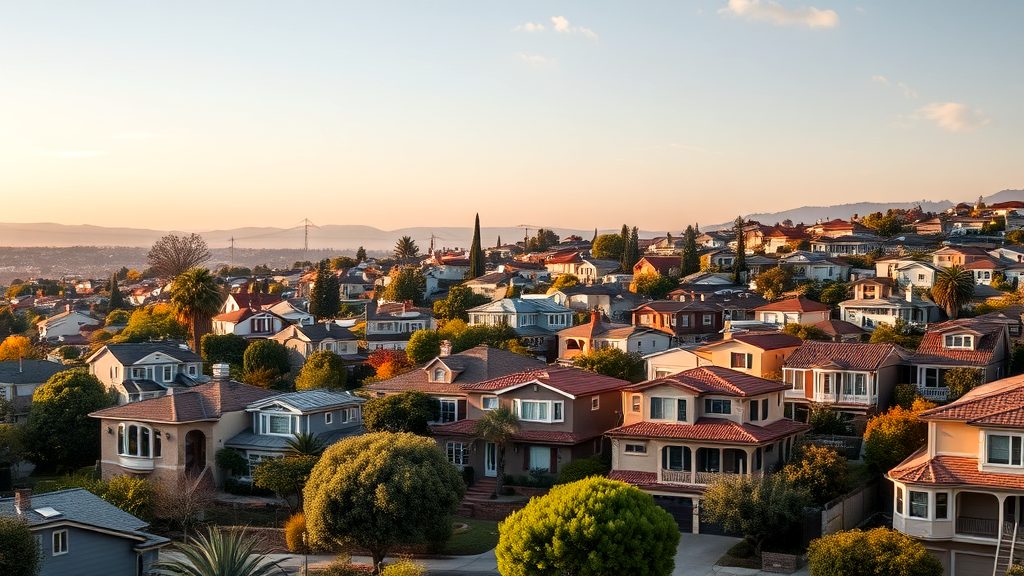
Factors Influencing House Prices in California
Diving into the elements affecting house prices in California, several factors stand out. Location tops the list, with demand varying across the state. In places like Los Angeles, the vast population creates a high demand, keeping prices elevated. On the flip side, economic conditions, such as job availability in the tech and entertainment sectors, play a pivotal role. These opportunities lure people to urban centers, escalating housing costs there.
If you're curious about the average price of a house in California, the association of realtors provides insightful data. They highlight how economic trends influence the market and how real estate agents guide buyers through this maze.
When considering the cost to buy, it's smart to engage a real estate agent. They can navigate these complexities and provide clarity. To see how the market shifts, California's recent sales data offers a snapshot of current trends.
Regional Variations in Home Costs
Variations in home costs across California are like night and day. Take Silicon Valley, where even a burned-out house can fetch over $900,000. Compare that to Sacramento, where $500,000 secures a spacious suburban home. These price discrepancies are driven by local economic factors, such as job markets and demand.
If you're pondering what is the average price of a house in California, brace yourself. The median price stands at a whopping $843,340, thanks to high-demand areas like the Bay Area.
Thinking to buy a house? A real estate agent is your go-to person for navigating this complex market. They understand the ins and outs and offer guidance on making a purchase.
For those eyeing affordable options, consider regions like Sacramento or explore accessory dwelling units for extra income. Check out my detailed guide on Accessory Dwelling Units for more insights. Each area in California tells its own housing tale.

Analyzing Price Changes Over the Years
Examining historical shifts, we see California's housing market has been a rollercoaster. The mid-2000s saw prices climbing near $600,000, but more recent years have shattered records, especially in tech-heavy zones. Areas like Santa Clara County continue to push boundaries, with prices consistently setting new highs.
Yet, not all regions follow this trend. Some, like the Sacramento area, offer a more wallet-friendly alternative. You might ponder, what is the average price of a house in California now? While the current average is sky-high, less costly areas still exist.
Considering the cost to buy a home, location significantly impacts your wallet. Consulting an experienced real estate agent can ease the hunt. They offer insights and strategies tailored to your needs.
The Association of Realtors provides crucial data, helping buyers make savvy decisions. Ultimately, understanding these trends aids in navigating California's dynamic real estate scene.
How to Finance a Home Purchase
When contemplating ways to finance purchasing a home, think about diverse loan options. For a typical house in California, the journey starts with understanding the cost to buy. A 20% deposit on a median-priced home means saving up to $168,668. But don't fret! Some loans require as little as 3%.
Next, factor in closing costs and private mortgage insurance if your deposit is below the magic 20%. First-timers might feel like they're walking a tightrope, but fear not! Assistance programs can ease the way.
A savvy real estate agent becomes your guiding star, offering golden nuggets of wisdom on property choices. Remember, a pinch of patience and persistence pays off. And, for the curious, the Association of Realtors serves valuable insights on current trends. So, ready to embark on your house-buying adventure?

A real estate agent and a happy client discussing home details with a tablet in hand, standing in front of a beautiful suburban home at dusk
Tips for First-Time Home Buyers
For those venturing into home ownership for the first time, saving a deposit is a big leap. Improving your credit score can open doors to better loan terms. Don't overlook assistance programs; they may offer a safety net. Your dream of owning a house in California might require flexibility on location and property type.
-
Save for a deposit: Start small, aim high.
-
Boost your credit score: Every point counts.
-
Explore assistance programs: They can be lifesavers.
-
Stay flexible: Consider different locations and house types.
-
Research the cost to buy: Understand price variations across regions.
-
Consider a fixer-upper: Potential savings can be significant.
-
Connect with locals: They often know hidden gems.
While pondering "What is the average price of a house in California?" remember, regions like Sacramento might offer affordability, unlike pricier areas like Santa Clara. For those curious about regional living stress, Southern California's commute may add an interesting angle.
A cheerful couple reviewing real estate brochures and using a laptop in a modern real estate office, with scenic property images in the background
Role of Real Estate Agents in Buying a House
In the journey to purchase a home, agents act like trusty sidekicks, guiding you through the maze of listings and negotiations. They bring peace of mind by handling complex paperwork, ensuring nothing slips through the cracks. Their knowledge of the market helps buyers snag the best deals, especially in a state where prices are sky-high. Speaking of which, pondering "What is the average price of a house in California?" reveals a hefty price tag, with Santa Clara County hitting $1.4 million. Agents can pinpoint affordable gems, sometimes even in unexpected places. Their knack for understanding buyer needs and preferences makes the process smoother. They often know which neighborhoods are hidden treasures and which ones might be best avoided. If you're curious about financing options like conventional loans, I've got more on that here. Ultimately, an experienced agent is worth their weight in gold, simplifying a complex process.
Understanding the Association of Realtors' Data
Diving into the data from the California Association of Realtors reveals fascinating insights. Ever wondered, "What is the average price of a house in California?" The answer is eye-popping, with figures reaching $843,340. This is driven by hot markets like Silicon Valley, where even a fixer-upper can cost an arm and a leg. On the flip side, Sacramento offers a more budget-friendly vibe. A closer look reveals that regional differences are stark, with areas like Santa Clara County sky-high at $1.4 million.
For those looking to buy a house, understanding these variations is crucial. If you're pondering whether to buy now or wait, I've shared some thoughts here. Ultimately, knowing the lay of the land helps in making informed decisions. California's housing market is a complex puzzle, and having the right pieces can make all the difference.
Conclusion
Navigating California's housing market can feel like solving a puzzle. Each region offers a unique piece. With prices significantly higher than the national average, understanding these variations is crucial. Silicon Valley and Los Angeles are known for their sky-high prices. Yet, places like Sacramento provide more budget-friendly alternatives.
When buying a home here, factors like job opportunities and market trends play a big role. Financing options are available, but a substantial deposit is often needed. First-time buyers may find assistance programs beneficial. Real estate agents can be invaluable guides on this journey. They help decode market data and align your dreams with reality. Whether you're eyeing the vibrant coast or a quiet suburb, understanding the market's ins and outs prepares you for this exciting venture.
FAQ
-
What is the average house price in California?
The average house price in California is a whopping $843,340. That's more than double the national average of $394,300. This high number is due to places like the Bay Area and Los Angeles. In some parts, like Santa Clara County, prices hit around $1.4 million.
-
Why are house prices so high in certain areas like Silicon Valley?
Silicon Valley has a high demand for housing because it's a tech hub. Companies like Google and Apple call it home. This popularity pushes prices through the roof. Even a burned-out home can sell for over $900,000. But other areas, like Sacramento, are more budget-friendly.
-
How do people typically finance a home purchase in California?
Many people use conventional loans with a 3% to 20% deposit. A 20% deposit on a median home costs about $168,668. If your deposit is less than 20%, you'll need private mortgage insurance. Don’t forget about closing costs, which can add up quickly.
-
Are there tips for first-time home buyers in California?
Yes, there are a few good ones. Save for a deposit and build your credit score. Look into assistance programs—they can help a lot. Also, keep an open mind about where and what type of home you buy. Sometimes, flexibility can save you big bucks.
-
How can a real estate agent help in the buying process?
Real estate agents are like your personal guides. They help you navigate the tricky market. They also provide advice on locations and help with negotiations. Plus, they make sure your expectations align with your budget.
Small Front Porch Ideas
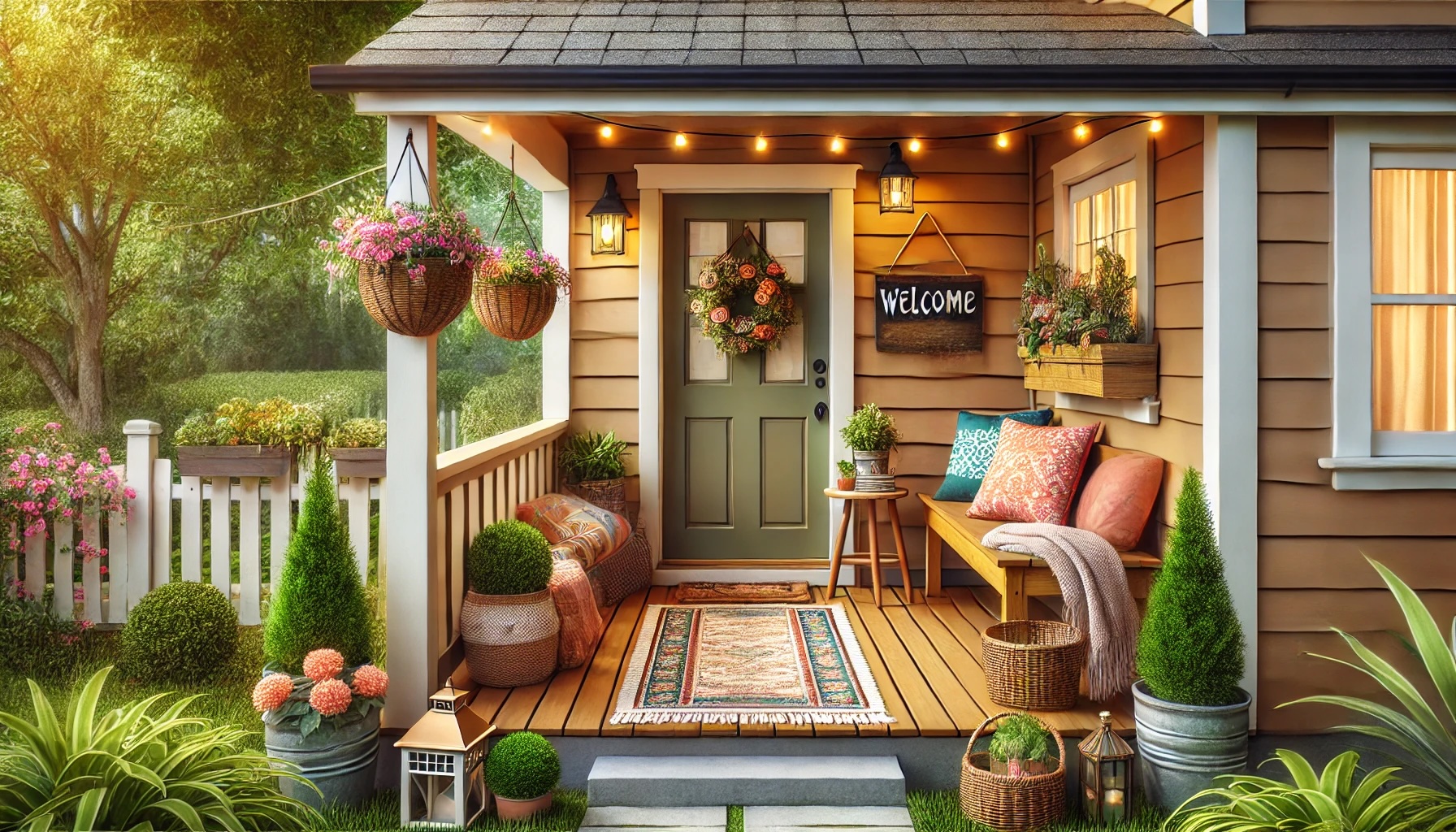
🌿 Small Front Porch Ideas to Maximize Charm and Curb Appeal
Your front porch sets the first impression for guests — and even a small one can make a big statement! With a little creativity and smart decorating, you can transform a compact porch into a cozy, welcoming space.
Here are some inspiring small front porch ideas to help you create a beautiful entrance you’ll love.
✨ Choose the Right Furniture
When space is limited, less is more. Select compact and functional furniture that doesn’t overwhelm your porch.
- Bistro sets with two chairs and a small table are perfect for morning coffee spots.
- Storage benches provide seating and hidden space for shoes, cushions, or garden tools.
- Hanging swings or slim rocking chairs bring comfort without crowding the area.
Tip: Choose lightweight materials and simple designs to keep the space feeling open and airy.
🌸 Add Color and Greenery
Even the smallest porch comes to life with a touch of nature.
- Use potted plants of varying heights to add texture and vibrancy.
- Hanging baskets and vertical gardens are ideal when floor space is tight.
- Seasonal flowers can keep your porch fresh and colorful year-round.
Tip: Match your plant pots to your home’s exterior colors for a more cohesive look.
🎨 Use Light Colors and Mirrors
Color plays a huge role in how large a space feels.
- Light shades — like white, beige, or soft pastels — reflect natural light and make a porch feel bigger.
- Mirrors can visually expand your porch, adding both style and a sense of openness.
Tip: Incorporate a mirror with a stylish frame to enhance both form and function!
🪑 Keep It Simple and Functional
Every piece should serve a purpose.
- Instead of overdecorating, stick to a few carefully chosen items that reflect your personality.
- Layered welcome mats, a cozy chair, a lantern, and a seasonal wreath might be all you need.
- Focus on balance and proportion rather than crowding the space.
Tip: Less clutter = more relaxation!
💡 Light It Up
Good lighting extends the life of your porch into the evening.
- Wall-mounted sconces, string lights, or solar-powered lanterns make the space inviting and safe.
- Soft, warm lighting adds charm and highlights your decor beautifully.
Tip: Choose LED or solar options for energy efficiency and easy maintenance.
🎃 Decorate for the Seasons
A small porch is the perfect canvas for festive touches!
- Fall: Pumpkins, rustic wreaths, cozy throws.
- Winter: Twinkling fairy lights, pine garlands, doormats with seasonal greetings.
- Spring/Summer: Bright florals, fresh pastel colors, and breezy textiles.
Tip: Swap out small accessories to refresh your porch with minimal effort and cost.
🏡 Create a Front Porch You’ll Love
No matter how small your front porch may be, with a few thoughtful choices, you can turn it into a charming, welcoming extension of your home.
Need more inspiration or help finding a home with the perfect porch?
Contact Century 21 Jordan-Link & Co. — Our team of trusted local real estate experts is ready to help you find your dream space!
🏡 Frequently Asked Questions About Small Front Porch Ideas
How can I make my small front porch look bigger?
Answer: You can make a small front porch look bigger by using light-colored paint, adding mirrors, choosing minimalistic furniture, and keeping the space uncluttered. Layering plants vertically also helps create the illusion of more space. Find more tips in our real estate blog.
What are the best decorations for a small front porch?
Answer: For small porches, focus on cozy seating, colorful potted plants, a stylish welcome mat, string lights, and seasonal wreaths. Choose multi-functional decor to save space. Explore more small porch decorating ideas here.
How can I decorate my small porch for different seasons?
Answer: Switch out wreaths, throw pillows, and potted plants to match the season. For fall, add pumpkins and cozy blankets; for spring, use fresh flowers and pastel colors. Get more seasonal decorating inspiration from our home improvement guides.
What types of furniture are good for small front porches?
Answer: Choose compact, foldable, or multi-functional furniture like bistro sets, storage benches, or hanging swings. Lightweight pieces make small porches feel more open and inviting. Browse our home styling tips for more ideas.
How can lighting improve my small front porch?
Answer: Proper lighting like wall sconces, string lights, or solar lanterns can make a small porch feel warm and welcoming while enhancing safety. Good lighting also highlights your decor at night. Contact us for more curb appeal advice.
Transfer Disclosure Statement (TDS)
Understanding the Transfer Disclosure Statement (TDS) in California Real Estate
The Transfer Disclosure Statement (TDS) is a vital document in California real estate transactions. It provides potential buyers with critical information about the condition of the property they are considering. This guide will explain what the TDS is, why it’s essential, and how to navigate it effectively.
What Is the Transfer Disclosure Statement (TDS)?
The TDS is a legally required document in California for most residential property sales. It ensures transparency between the seller and buyer by disclosing known issues, defects, or other property-related details.
Under California Civil Code Section 1102, sellers must complete this form in good faith, providing honest and accurate information.
What Does the TDS Include?
The TDS covers the following areas:
- Structural Details:
- Foundation, walls, roof, and other major structural components.
- Information about past repairs or modifications.
- Appliances and Systems:
- Condition of plumbing, electrical systems, heating, air conditioning, and installed appliances.
- Environmental Factors:
- Issues such as noise, pollution, or nearby hazardous materials.
- Legal Disclosures:
- Easements, zoning violations, or homeowners association (HOA) details.
- Compliance with building codes and regulations.
When Is the TDS Required?
The TDS is required for the sale of:
- Single-family homes
- Multi-family homes up to four units
- Certain mobile homes
However, some transactions are exempt, such as sales between co-owners, foreclosures, or transfers to family members.
Why Is the TDS Important?
- Protects Buyers:
Buyers gain insight into the property’s condition, allowing them to make informed decisions or negotiate repairs. - Protects Sellers:
By disclosing known issues, sellers reduce the risk of future disputes or legal liability. - Legal Compliance:
Failure to provide a TDS when required can lead to fines, penalties, or even the cancellation of the sale.
How to Complete the TDS
- Provide Accurate Information: Be thorough and truthful when filling out the form. Misrepresentation can result in legal consequences.
- Work with Your Real Estate Agent: A CENTURY 21 Jordan-Link & Co. agent can guide you through the process to ensure compliance.
- Disclose, Don’t Fix: The TDS is about disclosure, not repair. Listing known issues doesn’t mean you must fix them—unless negotiated during the sale.
FAQ Section
1. What happens if a seller fails to provide a TDS?
The buyer may cancel the sale or sue for damages if undisclosed issues are discovered later.
2. Can the buyer negotiate repairs based on the TDS?
Yes, buyers often use the TDS to negotiate repairs, credits, or a reduced sale price.
3. Are there exemptions to the TDS requirement?
Yes, exemptions include transfers to family members, foreclosures, and new constructions not previously occupied.
Why Choose CENTURY 21 Jordan-Link & Co.?
With five offices across Tulare, Kings, Kern, Fresno, and San Luis Obispo Counties, CENTURY 21 Jordan-Link & Co. ensures smooth and transparent real estate transactions. Our agents provide expert guidance on navigating disclosures and legal requirements.
Call to Action
Have questions about the Transfer Disclosure Statement? Contact CENTURY 21 Jordan-Link & Co. today for personalized assistance. Visit https://jordanlink.com or call us to connect with a local expert!


