

 Facebook
 X
X
 Pinterest
 Copy Link
Life @ Home Newsletter February 2023 (Sellers)

|





Real Estate News February 2023
The Pros and Cons of Adjustable Rate Mortgages
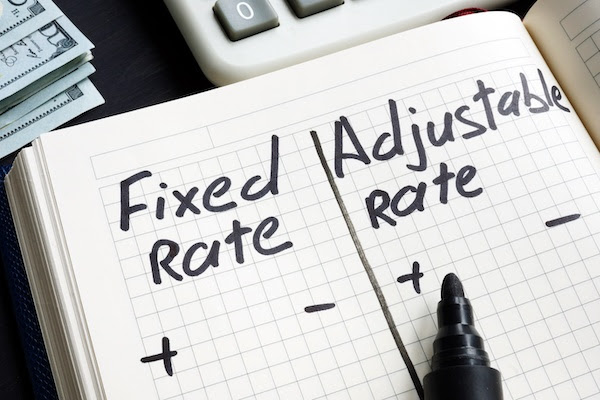
With mortgage rates climbing dramatically over the last year, many buyers are considering the pros and cons of an adjustable-rate mortgage (ARM) when purchasing a home. With a fixed-rate mortgage, the interest rate stays the same throughout the term of the loan, whereas with an adjustable-rate mortgage, the interest rate can change.
As you consider all your options, this guide may be helpful because these loans are more complex than their fixed-rate counterparts.
 What are ARM Loans?
An adjustable-rate mortgage (ARM) starts out fixed and then changes to an adjustable rate after a short period of time. During the first three to ten years, you’ll pay a fixed interest rate that is lower than what you’d get with a fixed-rate mortgage. Once this initial period has ended, the interest rate will fluctuate at different intervals.
When you’re approved for the mortgage, you’ll discover how often your interest rate will change after the initial fixed period. If you obtain a 10/6 ARM, the fixed interest rate will last for 10 years, after which your interest rate will change every six months. A 7/1 ARM, on the other hand, has a fixed rate for seven years before switching to an adjustable rate that changes once a year. Market conditions determine whether your rate increases or decreases.
Pros of ARMs
It is important to note that adjustable-rate mortgages provide a number of benefits, including low monthly mortgage payments during the initial fixed-rate period. During this period, you are able to increase your savings before interest rates change, regardless of whether it lasts three years or seven years. It should also reduce your stress levels to have predictable payments after you purchase a home.
Also, buyers who aren’t looking for their forever home yet might be interested in these loans. During the fixed-rate period, you could sell your property without having to worry about the adjustable-rate period if you anticipate relocating, changing jobs, or upgrading to a bigger home in a few years. The interest rate on these loans is limited, and once the initial fixed-rate period is over, interest rates may fall.
Cons of ARMs
One of the risks with ARMs is that your monthly mortgage payments can easily increase. Once the adjustable period begins, your monthly mortgage payments will go up if interest rates rise nationally.
It’s also possible that not everything will go according to plan. Life happens. When interest rates rise, you may find yourself in a situation where you can’t make your monthly payments.
You need to consider a lot when deciding which type of home loan is right for you. Despite the lower initial interest rate on an adjustable-rate mortgage, your monthly payments will become unpredictable after the fixed period is over. Many people find this unpredictability not worth the savings. Before making a final decision, your lender can explain all the loan options available to you, so that you have all the information you need.
Remodeling and renovating your home could decrease its value. Homeowners across the U.S. are expected to spend $400 billion on remodeling and renovating their homes by 2020. Most people believe that home improvement projects will increase their resale value. In reality, there are several home improvement projects that could decrease the value of your home.
Constant Carpeting
Hardwood floors should not be covered with wall-to-wall carpeting if your home has hardwood floors. When a carpet isn’t in perfect condition, most buyers would prefer it to be removed, which is why carpeting doesn’t add value to a home.
A study by the National Association of Realtors found that hardwood flooring projects have a cost recovery rate of 118%. This means you could increase your property’s value as much as $17,700 by installing new wood flooring for $15,000.
Adding a Swimming Pool
It costs anywhere between $16,000 and $44,000 to build an outdoor swimming pool, which doesn’t take into account ongoing maintenance costs. Swimming pools do not add much value to a home unless you live in a hot climate. Approximately 7% of homes are valued by swimming pools. Prospective buyers might also be frightened off by the potential liability associated with swimming pools.
Converting Your Garage into a Living Space
It can cost anywhere from $6,000 to $24,000 to convert your garage into a living space. While this conversion will increase your home’s functionality and square footage, most buyers prefer the original garage space for storage and easy parking.
Excessive Landscaping
It is easy to make too many changes to your landscaping, which could result in an unattractive and cluttered appearance. Landscaping your home can significantly improve its curb appeal, making it more appealing to potential buyers. Buyers may perceive your yard as difficult to maintain if you make too many changes. If you want to appeal to the majority of buyers, keep it simple and clean.
Too Much Wallpaper
Using the wrong color scheme or pattern may result in a thinning of the pool of potential buyers, even though wallpaper doesn’t necessarily turn buyers away. Depending on the size of the room, the type of wallpaper you use, and whether you DIY or hire a professional, wallpaper installation projects can cost from $300 to $6,000.
While these costs are not that high compared to other projects in this guide, removing wallpaper is a costly and time-consuming job, which may make some potential buyers think twice when they first see a room with wallpaper they don’t like. Performing the wrong renovation on your home could result in your property becoming less appealing to prospective buyers. This could mean fewer offers or even lower sales prices. If you want your renovations to increase your home’s value, remodel the kitchen/bathroom areas, upgrade the appliances, or contact me and I can tell you which features have the best return on investment.
Real Estate News February 2023
The Pros and Cons of Adjustable Rate Mortgages
With mortgage rates climbing dramatically over the last year, many buyers are considering the pros and cons of an adjustable-rate mortgage (ARM) when purchasing a home. With a fixed-rate mortgage, the interest rate stays the same throughout the term of the loan, whereas with an adjustable-rate mortgage, the interest rate can change.
As you consider all your options, this guide may be helpful because these loans are more complex than their fixed-rate counterparts.
What are ARM Loans?
An adjustable-rate mortgage (ARM) starts out fixed and then changes to an adjustable rate after a short period of time. During the first three to ten years, you’ll pay a fixed interest rate that is lower than what you’d get with a fixed-rate mortgage. Once this initial period has ended, the interest rate will fluctuate at different intervals.
When you’re approved for the mortgage, you’ll discover how often your interest rate will change after the initial fixed period. If you obtain a 10/6 ARM, the fixed interest rate will last for 10 years, after which your interest rate will change every six months. A 7/1 ARM, on the other hand, has a fixed rate for seven years before switching to an adjustable rate that changes once a year. Market conditions determine whether your rate increases or decreases.
Pros of ARMs
It is important to note that adjustable-rate mortgages provide a number of benefits, including low monthly mortgage payments during the initial fixed-rate period. During this period, you are able to increase your savings before interest rates change, regardless of whether it lasts three years or seven years. It should also reduce your stress levels to have predictable payments after you purchase a home.
Also, buyers who aren’t looking for their forever home yet might be interested in these loans. During the fixed-rate period, you could sell your property without having to worry about the adjustable-rate period if you anticipate relocating, changing jobs, or upgrading to a bigger home in a few years. The interest rate on these loans is limited, and once the initial fixed-rate period is over, interest rates may fall.
Cons of ARMs
One of the risks with ARMs is that your monthly mortgage payments can easily increase. Once the adjustable period begins, your monthly mortgage payments will go up if interest rates rise nationally.
It’s also possible that not everything will go according to plan. Life happens. When interest rates rise, you may find yourself in a situation where you can’t make your monthly payments.
You need to consider a lot when deciding which type of home loan is right for you. Despite the lower initial interest rate on an adjustable-rate mortgage, your monthly payments will become unpredictable after the fixed period is over. Many people find this unpredictability not worth the savings. Before making a final decision, your lender can explain all the loan options available to you, so that you have all the information you need.
Remodeling and renovating your home could decrease its value. Homeowners across the U.S. are expected to spend $400 billion on remodeling and renovating their homes by 2020. Most people believe that home improvement projects will increase their resale value. In reality, there are several home improvement projects that could decrease the value of your home.
Constant Carpeting
Hardwood floors should not be covered with wall-to-wall carpeting if your home has hardwood floors. When a carpet isn’t in perfect condition, most buyers would prefer it to be removed, which is why carpeting doesn’t add value to a home.
A study by the National Association of Realtors found that hardwood flooring projects have a cost recovery rate of 118%. This means you could increase your property’s value as much as $17,700 by installing new wood flooring for $15,000.
Adding a Swimming Pool
It costs anywhere between $16,000 and $44,000 to build an outdoor swimming pool, which doesn’t take into account ongoing maintenance costs. Swimming pools do not add much value to a home unless you live in a hot climate. Approximately 7% of homes are valued by swimming pools. Prospective buyers might also be frightened off by the potential liability associated with swimming pools.
Converting Your Garage into a Living Space
It can cost anywhere from $6,000 to $24,000 to convert your garage into a living space. While this conversion will increase your home’s functionality and square footage, most buyers prefer the original garage space for storage and easy parking.
Excessive Landscaping
It is easy to make too many changes to your landscaping, which could result in an unattractive and cluttered appearance. Landscaping your home can significantly improve its curb appeal, making it more appealing to potential buyers. Buyers may perceive your yard as difficult to maintain if you make too many changes. If you want to appeal to the majority of buyers, keep it simple and clean.
Too Much Wallpaper
Using the wrong color scheme or pattern may result in a thinning of the pool of potential buyers, even though wallpaper doesn’t necessarily turn buyers away. Depending on the size of the room, the type of wallpaper you use, and whether you DIY or hire a professional, wallpaper installation projects can cost from $300 to $6,000.
While these costs are not that high compared to other projects in this guide, removing wallpaper is a costly and time-consuming job, which may make some potential buyers think twice when they first see a room with wallpaper they don’t like. Performing the wrong renovation on your home could result in your property becoming less appealing to prospective buyers. This could mean fewer offers or even lower sales prices. If you want your renovations to increase your home’s value, remodel the kitchen/bathroom areas, upgrade the appliances, or contact me and I can tell you which features have the best return on investment.
What are the benefits of using a real estate agent over for sale by owner
There are several benefits of using a real estate agent when selling your home, as opposed to going the for sale by owner (FSBO) route:
1. Expertise and experience: Real estate agents have the knowledge and experience to guide you through the complex process of selling a home. They know the local real estate market, have a network of industry contacts, and can provide valuable advice on pricing, staging, and negotiating.
2. Marketing and exposure: Real estate agents have the resources and skills to effectively market your property and get it in front of as many potential buyers as possible. They can use a combination of traditional and digital marketing tactics, such as MLS listings, open houses, and online advertising, to reach a wide audience.
3. Access to a network of potential buyers: Real estate agents have access to a network of potential buyers and can help match your property with the right buyer. They can also help you navigate the offer and negotiation process, ensuring that you get the best possible deal.
4. Handling paperwork and legal requirements: Selling a home involves a lot of paperwork and legal requirements, and a real estate agent can help you navigate these complexities. They can ensure that all the necessary documents are in order and that you are compliant with local and state regulations.
5. Saving time and reducing stress: Selling a home can be a time-consuming and stressful process, and working with a real estate agent can help relieve some of that stress. They can handle many of the tasks and responsibilities associated with selling a home, freeing up your time to focus on other important matters.
 While FSBO can save you money on agent commissions, it can also be riskier and more time-consuming than working with a professional. It’s essential to weigh the potential benefits and drawbacks before making a decision.
FSBO can seem like a tempting option, as it allows you to save money on agent commissions and keep more of the sale proceeds. However, it can also be a challenging and risky process, especially if you’re not familiar with the real estate market or the legal requirements involved in selling a home.
Without the guidance and expertise of a real estate agent, you may struggle to price your home correctly, effectively market your property, or navigate the offer and negotiation process. You may also be responsible for handling all the paperwork and legal requirements associated with selling a home, which can be time-consuming and stressful.
Additionally, FSBO homes typically receive less exposure than homes listed by real estate agents. Agents have access to the Multiple Listing Service (MLS), which is a database of properties for sale that is only available to real estate professionals. This exposure can be crucial in attracting potential buyers and generating interest in your property.
While FSBO can be a cost-effective option in certain circumstances, it’s important to weigh the potential benefits and drawbacks before making a decision. If you’re considering FSBO, it may be helpful to seek the advice of a real estate attorney or financial advisor to ensure that you understand the process and are prepared for the challenges ahead.
In conclusion, the decision to use a real estate agent or go the FSBO route ultimately depends on your individual circumstances and goals. If you’re comfortable with the real estate market and are familiar with the legal requirements involved in selling a home, FSBO can be a cost-effective option. However, if you’re looking for expert guidance, a wider audience of potential buyers, and help navigating the complex process of selling a home, working with a real estate agent may be the better choice.
It’s important to keep in mind that real estate agents are trained professionals with a wealth of knowledge and experience in the industry. They can provide valuable advice, handle complex tasks, and help you achieve your goals more efficiently and effectively.
If you do decide to work with a real estate agent, it’s important to choose one who has a proven track record and is familiar with the local real estate market. You can research agents online, ask for referrals from friends and family, or reach out to your local real estate association for recommendations.
Ultimately, the most important thing is to make an informed decision that aligns with your individual needs and goals. Whether you choose to work with a real estate agent or go the FSBO route, it’s essential to be prepared, informed, and ready to make the best possible decision for your unique circumstances.
Century 21 Commercial Newsletter February 2023

|




Century 21 Commercial Newsletter February 2023
|
Real Esate News January 2023

Real Estate News
Buying a home is a major investment that requires strong financials. If you have a large amount of student loan debt, you may find it challenging to purchase a home for many reasons. From saving for a down payment, to qualifying for a loan, to affording monthly mortgage payments, student loan debt can play a significant role in your ability to buy a home.

Debt-to-Income Ratio
One factor that plays a part in how likely a lender is to approve a mortgage loan is the amount of debt you currently have. Lenders prefer that borrowers have minimal debt since taking on more loan payments increases the possibility that borrowers will default on at least one of their loans. The lender will compare your debt with your income, which is known as your debt-to-income ratio.
When a lender goes to calculate your DTI ratio, they will add up your debt from all sources: rent/mortgages, car loans, personal loans, credit card payments, student loans, child support, alimony, etc. Then they will divide that sum by your gross monthly income (before taxes) to see how much of your income is going towards these payments. You can do this same DTI calculation on your own to see where you stand.
If you have a high amount of debt and a low amount of income, your DTI will be relatively high. For a conventional home loan, it’s best to have a DTI of 40% or less. If you apply for an FHA loan, you can be approved with a DTI up to 50%.
Reducing DTI
If you want to improve your DTI ratio, there’s no easy way around it, you will have to spend some time paying off your debt. It’s also possible to reduce your DTI ratio by refinancing your student loan. However, this option will place a line of credit on your credit report, which means that you should refinance at least six months before applying for a mortgage. The positive payment history that occurs in the interim will offset the initial drop in your credit score.
Credit Score
Having a high credit score increases your chances of getting approval for a mortgage loan and securing a low interest rate. Your payment history is around 35% of your credit score, which means that a lengthy history of on-schedule debt payments is necessary. If you make your student loan payments on time every month, this should improve your score.
Saving for a down payment
If you are spending a few hundred dollars each month on student loan payments, you may be unable to save enough money for a down payment. While a down payment of 20% is recommended when purchasing a home, it isn’t always needed. There are various programs and methods to purchase a home with a down payment of just 5-10%. An experienced agent like myself can talk you through all the options.
If you have student loans that you are currently repaying, buying a home will likely be more challenging. However, approval for a mortgage loan is more likely if you can reduce your DTI ratio, continue to make on-time payments, and you set your sights on an affordable home.
|

 Create Your Own Window Washing Solution
Real Estate News January 2023

Real Estate News
Buying a home is a major investment that requires strong financials. If you have a large amount of student loan debt, you may find it challenging to purchase a home for many reasons. From saving for a down payment, to qualifying for a loan, to affording monthly mortgage payments, student loan debt can play a significant role in your ability to buy a home.
Debt-to-Income Ratio
One factor that plays a part in how likely a lender is to approve a mortgage loan is the amount of debt you currently have. Lenders prefer that borrowers have minimal debt since taking on more loan payments increases the possibility that borrowers will default on at least one of their loans. The lender will compare your debt with your income, which is known as your debt-to-income ratio.
When a lender goes to calculate your DTI ratio, they will add up your debt from all sources: rent/mortgages, car loans, personal loans, credit card payments, student loans, child support, alimony, etc. Then they will divide that sum by your gross monthly income (before taxes) to see how much of your income is going towards these payments. You can do this same DTI calculation on your own to see where you stand.
If you have a high amount of debt and a low amount of income, your DTI will be relatively high. For a conventional home loan, it’s best to have a DTI of 40% or less. If you apply for an FHA loan, you can be approved with a DTI up to 50%.
Reducing DTI
If you want to improve your DTI ratio, there’s no easy way around it, you will have to spend some time paying off your debt. It’s also possible to reduce your DTI ratio by refinancing your student loan. However, this option will place a line of credit on your credit report, which means that you should refinance at least six months before applying for a mortgage. The positive payment history that occurs in the interim will offset the initial drop in your credit score.
Credit Score
Having a high credit score increases your chances of getting approval for a mortgage loan and securing a low interest rate. Your payment history is around 35% of your credit score, which means that a lengthy history of on-schedule debt payments is necessary. If you make your student loan payments on time every month, this should improve your score.
Saving for a down payment
If you are spending a few hundred dollars each month on student loan payments, you may be unable to save enough money for a down payment. While a down payment of 20% is recommended when purchasing a home, it isn’t always needed. There are various programs and methods to purchase a home with a down payment of just 5-10%. An experienced agent like myself can talk you through all the options.
If you have student loans that you are currently repaying, buying a home will likely be more challenging. However, approval for a mortgage loan is more likely if you can reduce your DTI ratio, continue to make on-time payments, and you set your sights on an affordable home.
|
Century 21 Commercial eNewsletter January 2023

|


Century 21 Commercial eNewsletter January 2023

|


