

 Facebook
 X
X
 Pinterest
 Copy Link
Drought tolerant landscaping

Drought Resistant Plants for Your Garden
Thinking about a garden that thrives in dry conditions? You’re in the right place! Drought-tolerant plants are perfect for conserving water and saving on maintenance. They are a smart choice, especially in the arid regions of Southern California. This guide will help you explore new landscaping ideas for an amazing garden. Imagine transforming your yard into a California Landscape Dream. Start with native plants that adapt well to the local climate. Consider succulents and cacti for low-maintenance beauty. For a cohesive look, organize plants with similar water needs. This method, known as hydro-zoning, keeps your garden lush and efficient. Share your thoughts and comments on our subreddit for redditors.
Key Takeaways
-
Drought-resistant plants save water and thrive in dry conditions, ideal for your garden.
-
Choose plants with low water needs and adaptability to your local climate.
-
Use succulents and cacti for easy, low-maintenance garden landscape design.
-
Organize plants by water needs to create a cohesive and efficient drought-tolerant landscape.
-
Consider xeriscaping and drip irrigation for maximum water efficiency in your yard.

Benefits of Drought Resistant Plants
Exploring how drought resistant plants benefit your garden reveals several advantages. They significantly reduce water usage and are ideal for the Inland Empire’s dry climate. These plants help in crafting a stunning and sustainable garden while minimizing maintenance expenses. Additionally, they flourish in tough conditions, enhancing your garden’s resilience. For inspiration, visit the Waterwise Garden Planner here. If you’re considering a vibrant California Landscape Dream, integrating these plants into your yard landscaping ideas makes it achievable. Enjoy a dynamic garden without draining your resources.

Key Features to Look For
Exploring standout traits in drought resistant plants, focus on adaptability, minimal water needs, and resilience. Native species often thrive with less fuss. Look for gray or silver leaves, as they hint at drought prowess. Prioritizing these features transforms your garden into a robust oasis while conserving resources. Speaking of garden ideas, I recently shared some incredible tidbits on front yard landscaping that you might find helpful. Imagine a garden that handles nature’s whims with elegance and ease, a true testament to thoughtful garden design.

Top 5 Drought Resistant Plants for Your Garden
When looking for the best plants for a dry garden, these top choices stand out. Succulents and cacti are your go-tos for low-maintenance greenery. California poppies add a splash of color, paired perfectly with lavender’s soothing scent. Manzanitas thrive with little water, offering unique textures. Looking to enhance your curb appeal? I’ve shared some insights on front yard landscaping that might spark ideas. Embrace these ardent gardener favorites, and you’ll find a garden that’s as beautiful as it is resilient. Keeping it simple, smart, and sustainable!

Low-Maintenance Plant Options
Exploring plants that demand less care, start with succulents and cacti. These champions of minimal effort thrive with little water, ideal for a drought tolerant setting. Lavender and manzanitas bring unique textures and fragrances, enhancing your space effortlessly. For those passionate about garden design, these varieties promise a stunning transformation. Designing a drought-tolerant space is like crafting a masterpiece with nature’s palette. Think of it as your canvas, filled with resilience and beauty. It’s a landscape design dream come true, proving that simplicity often holds the most grace.

Best Plants for Southern California Gardens
When choosing the top flora for gardens in this area, drought resistant plants steal the show. Their ability to thrive with minimal water makes them perfect for a drought tolerant garden. California poppies splash vibrant colors while lavender adds a calming aroma. Manzanitas stand out with unique textures. Imagine integrating these into your garden design—a stunning drought-tolerant canvas. For those seeking fresh yard landscaping ideas, these plants offer a smart solution. Embrace a drought-tolerant transformation that not just survives but thrives!

Design Tips for a Drought Tolerant Landscape
Crafting a yard with drought-tolerant plants involves more than just choosing hardy flora. Begin by grouping plants with similar water needs, creating a cohesive and efficient garden layout. This strategy, known as hydro-zoning, prevents overwatering and under-watering. Consider incorporating elements like gravel and mulch to minimize evaporation. Implementing drip irrigation can further boost water savings. For front yard landscaping, try using bold textures and colors to create visual interest. These ideas can transform your space into an ardent gardener’s paradise, inviting admiration and comments from visitors.

Grouping Plants with Similar Needs
Arranging your plants by their shared water demands is like crafting a garden symphony. It makes your garden more efficient, especially when using drought-resistant varieties. Imagine cacti, succulents, and lavender harmonizing in a drought tolerant setting. This approach streamdrought tolerant landscape while preventing overwatering. Picture your yard as a canvas, each plant a brushstroke in your garden. Incorporating such thoughtful yard landscaping ideas can turn your outdoor space into an ardent gardener’s paradise, inviting admiration and enthusiastic comments from visitors.

Maximizing Water Efficiency in Your Garden
To enhance water efficiency in your garden, focus on integrating drought-resistant plants. These resilient beauties thrive on minimal moisture, reducing your water bill significantly. Consider xeriscaping techniques like using gravel or mulch to lock in moisture and minimize evaporation. A drip irrigation system can be your garden’s best friend, delivering water directly to roots. For more yard landscaping ideas, check out what Dig Your Garden has to say here. By adopting these methods, you’ll create a sustainable, eye-catching space that welcomes drought-tolerant landscaping ideas with open arms.

Conclusion
Embracing drought-resistant plants in your garden can be a game changer. They conserve water and add unique textures and colors to your space. Imagine a garden that thrives, rain or shine. It’s a win-win for nature lovers and the environment alike.
Consider the benefits of grouping similar plants together. This not just saves water but also minimizes effort. Implementing xeriscaping and drip irrigation can further maximize water efficiency. Your garden will appreciate the thoughtfulness, and so will your water bill.
Creating a drought-tolerant garden isn’t just about plant choice. It’s about fostering an ecosystem that balances beauty with sustainability. In the end, a garden that saves water and flourishes is a testament to smart planning. So, roll up your sleeves and get gardening! You’ll be amazed at what blooms with a little water-wise care.
FAQ
-
What are the best drought-resistant plants for beginners?
Start with succulents like aloe vera or jade plants. They’re hardy and require little water. If you prefer something with flowers, consider lavender. It’s both fragrant and tolerant of dry conditions. These plants are low-maintenance and perfect for newbies.
-
How can I tell if a plant is drought-resistant?
Look for plants with gray or silver leaves. These colors often indicate drought tolerance. Check if the plant is native to arid regions. Native plants are usually better adapted to local climate conditions. Lastly, research the plant’s water needs; drought-resistant ones need less.
-
Is it possible to have a colorful drought-tolerant garden?
Absolutely! Many drought-tolerant plants offer vibrant colors. California poppies add bright orange hues, while lavender provides a soft purple touch. Mix these with succulents for a splash of green. Your garden can be both water-wise and eye-catching.
-
How can I save water in my garden without sacrificing plant growth?
Use drip irrigation systems to target plant roots directly. This reduces water waste. Apply mulch around plants to maintain moisture and minimize evaporation. Group plants with similar water needs to optimize irrigation. These steps help conserve water without stunting growth.
-
Are there any special tips for Southern California gardeners?
Yes, focus on native plants like manzanitas and California poppies. They thrive in the region’s climate. Consider using gravel or mulch to improve soil moisture retention. With these strategies, your garden will flourish even in Southern California’s dry conditions.
Porch decorating ideas
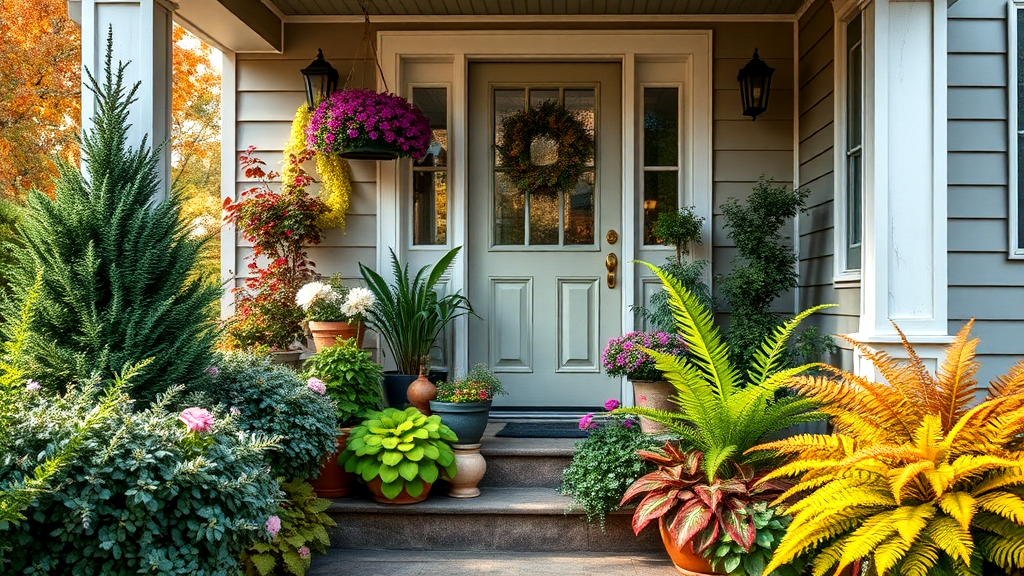
Creative Ideas for Your Porch
Transforming your front porch into a welcoming space can be both fun and rewarding. With creative and budget-friendly porch decor ideas, you can enhance your home’s curb appeal. Imagine your front door as the canvas for artistic expression—perhaps a fresh coat of paint or a stylish door knocker. These small changes can make a big difference.
For front porch inspiration, think about adding colorful rugs and planters. They bring warmth and style, creating a cozy atmosphere. Consider the change of seasons when decorating, like incorporating a unique fall front design. Whether you have a small front porch or a modern front porch, these ideas will make your space feel inviting. Get ready to enjoy your transformed outdoor haven!
Key Takeaways
-
Spruce up your front door with a fresh coat of paint and new hardware.
-
Add charm with rugs by choosing patterns and layering for style.
-
Plant greenery using containers and consider vertical gardens for limited space.
-
Cozy up with furniture, like a comfortable porch swing, for relaxation.
-
Illuminate your porch with string lights and modern lanterns for a warm ambiance.
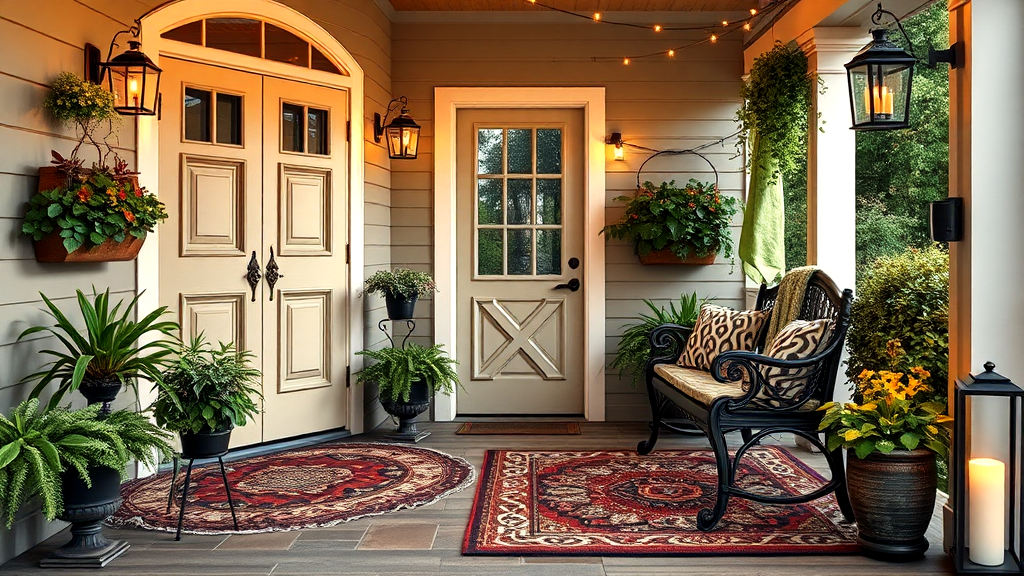
Spruce Up Your Front Door
Transform the entrance by applying fresh paint and adding stylish hardware. Consider unique porch decorating ideas like hanging a vibrant wreath or brass door knocker. A seasonal theme can keep the front porch feeling lively year-round. Imagine the impact of colorful accents like bold cushions or painted furniture. Create a cozy atmosphere that transforms your front porch into a welcoming extension.

Decorate with Unique Door Accents
Consider sprucing up your door with creative accents. Hang a vibrant wreath or elegant brass knocker to add flair. For a splash of color, try hanging baskets filled with real or faux flowers. Incorporating these accents into your porch decorating ideas can transform any front porch from bland to grand. Keep your front porch feel inviting by updating these elements regularly.
Consider a Seasonal Door Theme
Changing your door decor seasonally can breathe life into your home. Swap out a fall door wreath for a winter one, or add a festive touch with holiday-themed accents. These porch decorating ideas help keep your small front porch fresh and inviting. This keeps your space dynamic and appealing, no matter the season. It’s like giving your home a mini-makeover!
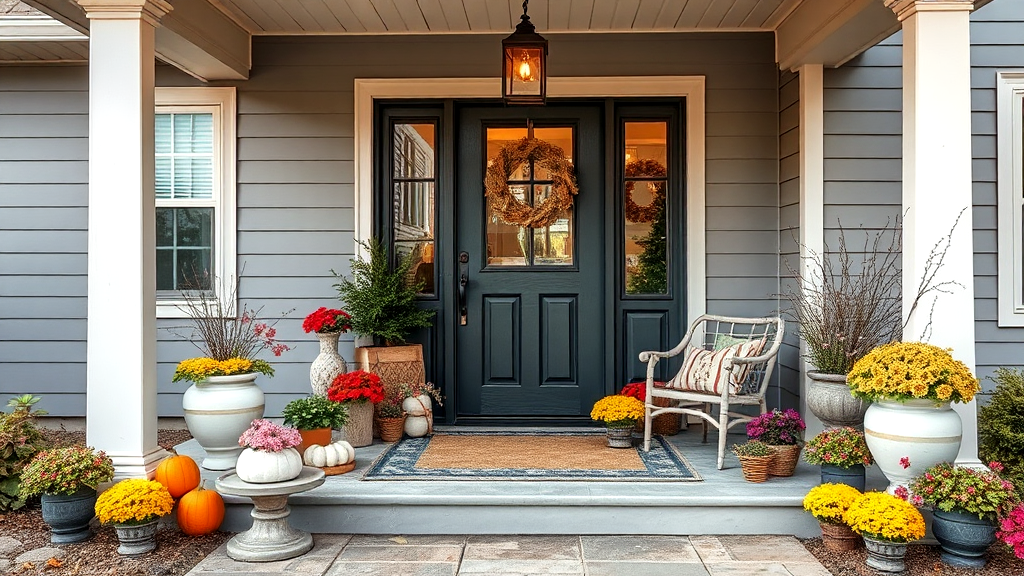
Add Charm with Rugs
Incorporating rugs can elevate the charm of your outdoor space effortlessly. Opt for durable options that withstand weather challenges while adding warmth. Choose patterns and colors that complement your overall theme. Consider layering rugs to offer depth and intrigue. It’s an easy way to refresh any front porch decor. Enjoy a cozy spot that feels like a home extension.

Choose Patterns for a Welcoming Look
Selecting the right patterns can create a welcoming atmosphere on your porch. Opt for rugs with bold colors and patterns to elevate your front porch decor. Layering rugs can add depth and interest, making your space inviting. For a touch of seasonal charm, consider incorporating unique fall front porch decorations. The folks at Palmetto Highway suggest combining patterns that mirror your home’s aesthetic. Discover more inspiring ideas.
Layer Rugs for Depth and Style
Stacking rugs can transform your porch by adding dimension and flair. Try mixing patterns and textures for a cozy, layered look. Imagine a small front porch with a rustic, handwoven rug atop a bold, geometric one. It’s a simple way to refresh your porch decor ideas without breaking the bank. A perfect small porch decorating idea for any season!

Plant Some Greenery
Infuse life into your porch by adding greenery. Use colorful planters or rustic barrels to showcase vibrant plants. Consider a vertical garden for a modern touch and space efficiency. Mix seasonal flowers and evergreens for year-round beauty. For those tight on space, a small herb garden can be both practical and decorative, offering fresh scents and flavors.
Incorporate Vertical Garden Elements
Bringing vertical garden ideas to life can revamp your porch’s charm. Use hanging planters or wall-mounted pots. Small spaces benefit from this layered greenery approach. Imagine a small oasis where nature meets creativity. Vertical gardens save space, making them perfect for modern front porch transformations. This setup provides year-round greenery, keeping your porch lively and inviting through every season.
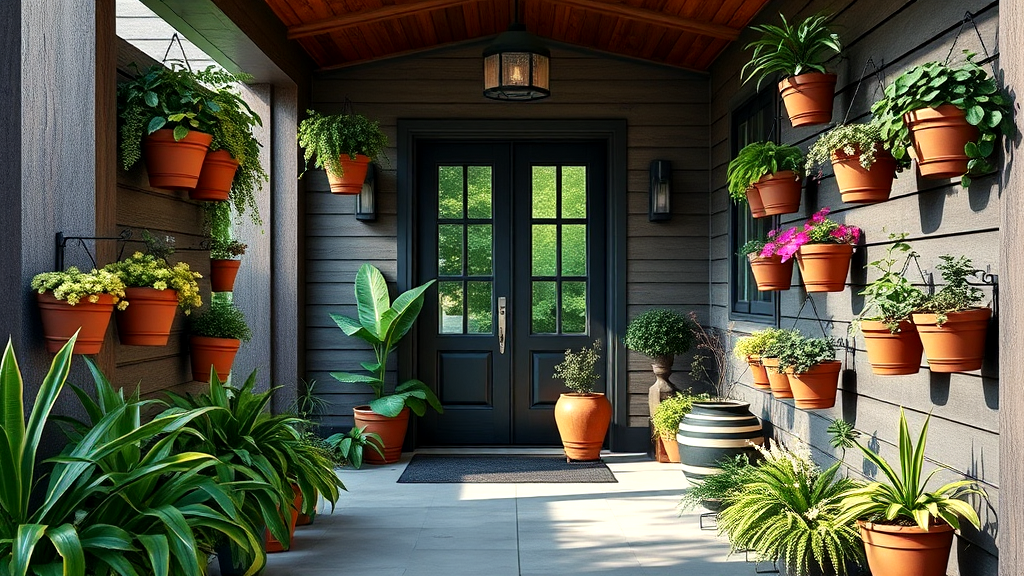
Select Varieties for All Seasons
Selecting plant varieties that thrive year-round is crucial for continuous porch beauty. Incorporate hardy evergreens for winter, vibrant blooms for spring, and lush ferns for summer. Autumn welcomes rich, warm-hued foliage. These choices ensure your porch remains inviting across all seasons. Small front porch settings benefit greatly from compact, adaptable plants. This approach keeps your porch lively, offering endless front porch inspiration.
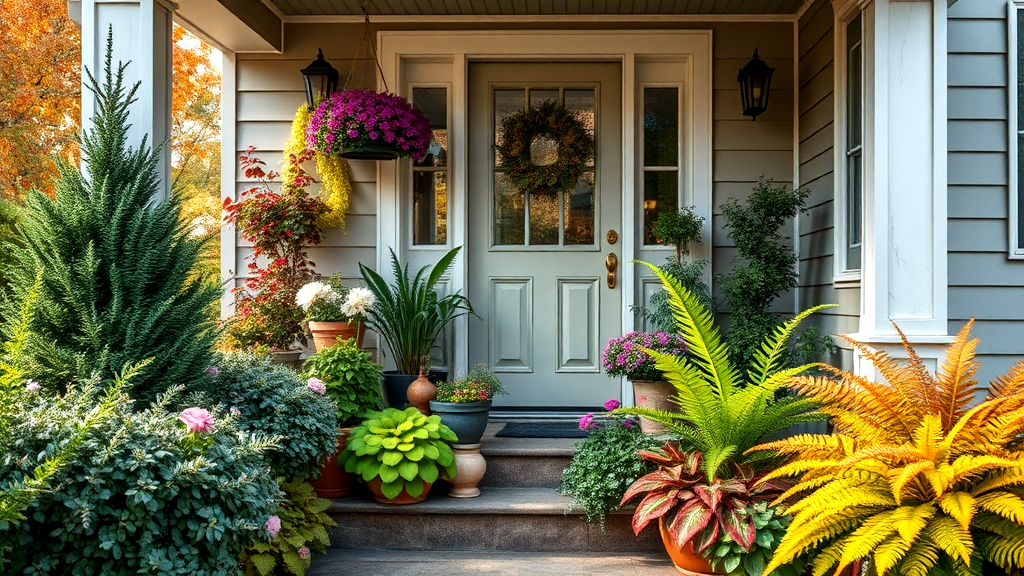
Cozy Up with Furniture
Embrace warmth and comfort with furniture that suits your porch’s vibe. Go for a charming swing or a set of cozy chairs. Arrange them invitingly, creating a snug retreat. Picture sipping iced tea on a summer evening. It’s like inviting relaxation onto your porch. These front porch ideas can make even the smallest spaces feel welcoming and stylish.
Invest in a Comfortable Porch Swing
A swing on your front porch can truly transform your space. Think about it: a cozy spot for morning coffee or unwinding after a long day. Not just a seating choice, it adds charm and invites relaxation. This swing can be a centerpiece for your porch decorating ideas, adding comfort and style. Dive into this inviting addition today!

Arrange Seating for Relaxation
When setting up seating for a cozy atmosphere, mix and match furniture styles. Use cushy chairs and add throw pillows for comfort. A small table can hold drinks or a good book. For a modern front porch, sleek furniture can add elegance. Keep the layout open for easy movement and welcoming vibes. These porch decorating ideas transform any space into a relaxing haven.

Illuminate with Lighting
Lighting up your porch can transform it into an inviting haven after sundown. String lights draped artfully add a cozy ambiance, while modern lanterns lend a sleek touch. For a whimsical twist, try solar-powered fairy lights. These simple yet impactful lighting ideas can elevate your fall front porch into a magical space, perfect for relaxing evenings with loved ones.
Highlight with String Lights
String lights can add sparkle to any porch, transforming it with a warm glow. Imagine them draped around your fall front porch for a cozy vibe. They effortlessly highlight areas, creating an inviting ambiance. Baselandscape.com offers creative insights on crafting beautiful outdoor spaces. Use string lights to outline your space, adding charm and elegance, especially for a patriotic front porch celebration.
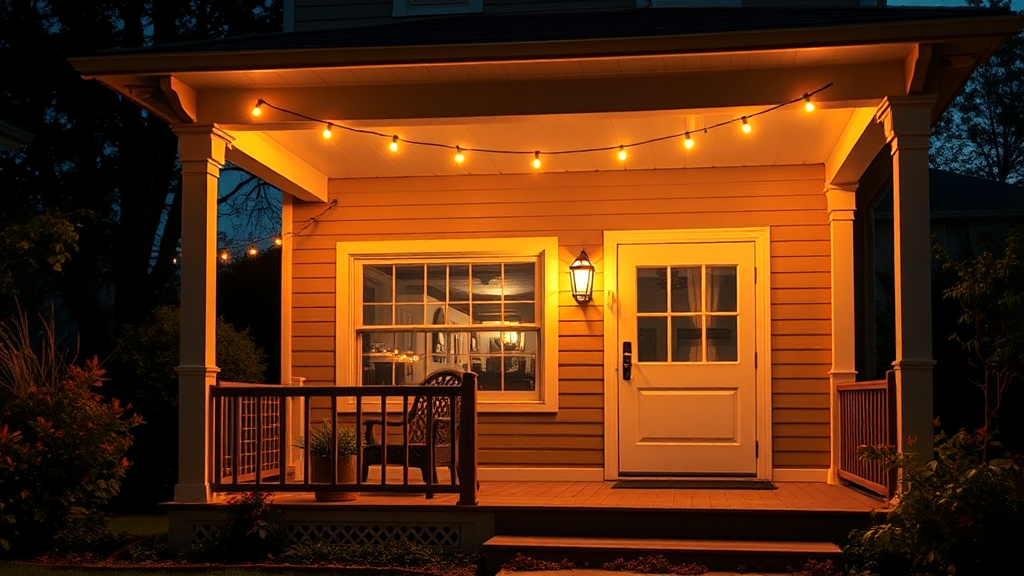
Install Modern Porch Lanterns
Modern lanterns can be a game-changer for your porch. These sleek designs provide both style and illumination, enhancing the entrance. They fit seamlessly into various front porch decorating themes, whether you’re going for a cozy or contemporary vibe. For those interested in seasonal transformations, Liz Marie Blog showcases how porch elements can evolve beautifully with the season.
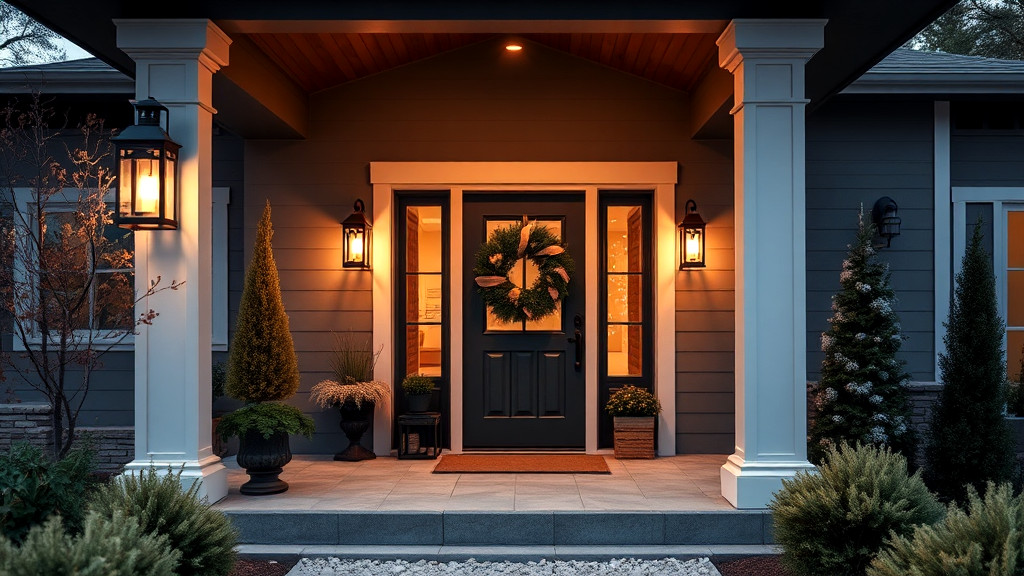
Personalize with Accessories
Make your porch uniquely yours with a variety of stylish accessories. Try outdoor art for visual appeal and a bit of personality. Personalized welcome signs add warmth, greeting guests with charm. For those patriotic moments, hang flags or banners that celebrate the spirit. These small touches can truly elevate your small front porch into a welcoming haven.
Use Outdoor Art for Character
Adding outdoor art can breathe new life into any porch. Think sculptures or playful wind chimes that align with your style. They can add depth and personality, making your space truly yours. For more creative inspiration, Kate Marker Interiors showcases stunning outdoor transformations on their site. Consider these front porch ideas to make your space a reflection of your character.
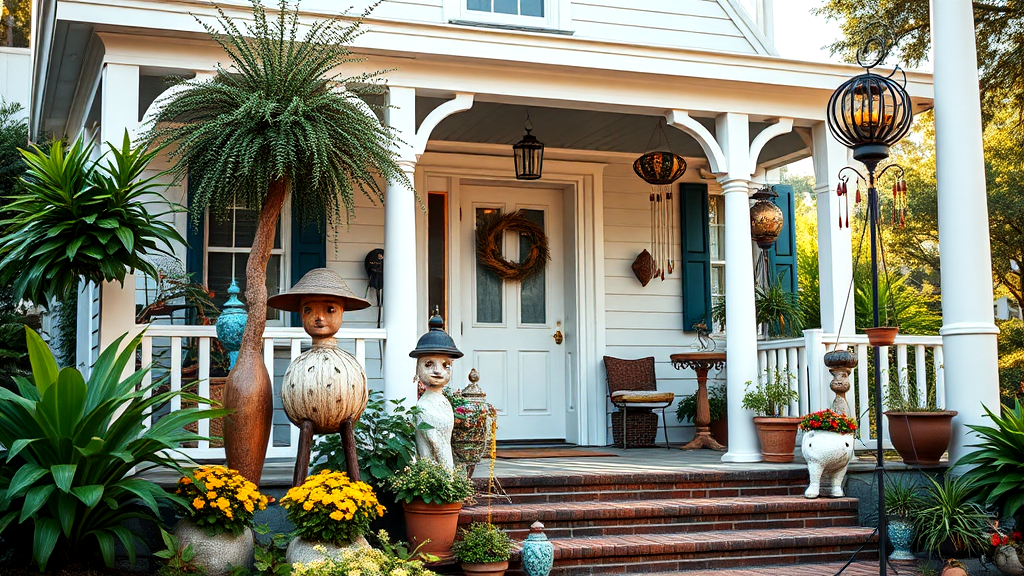
Display Personalized Welcome Signs
Personalized welcome signs serve as a lovely greeting for guests. Use them to reflect your personality, adding a touch of charm to your space. Whether it’s a cheerful message or a witty quote, these signs can set the tone for your home’s ambiance. They offer a creative twist on porch decorating ideas, making your entrance memorable and inviting.

Create Colorful Accents
Infusing bold colors into your porch can elevate its charm significantly. Bold cushions and throws are perfect for injecting vivid hues, creating an instant lively atmosphere. Consider painting your front porch furniture with striking colors to add a unique flair. These vibrant touches not just refresh but reimagine your space, turning it into a welcoming retreat. For more front porch decorating tips, consider the season’s themes.
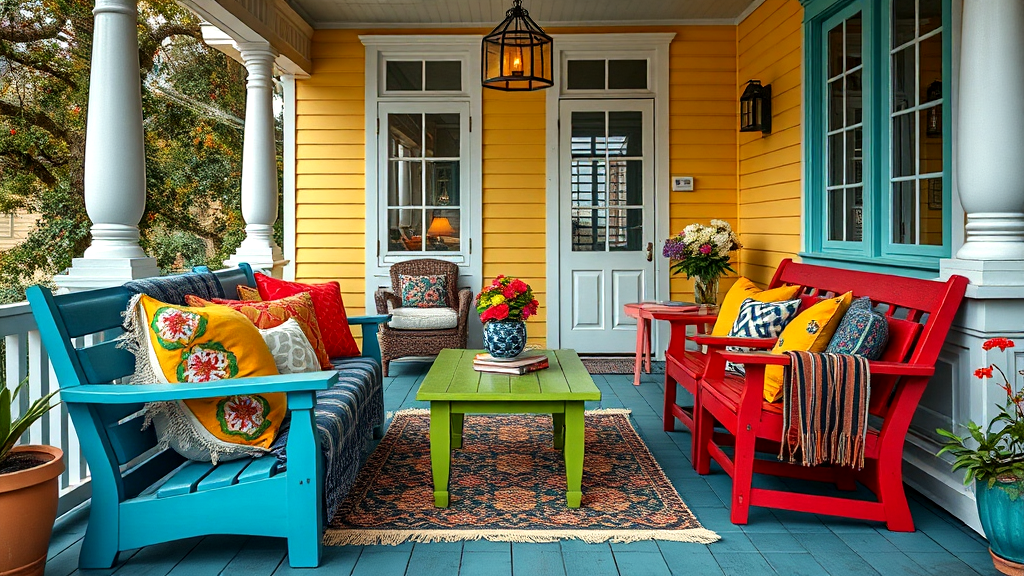
Integrate Bold Cushions and Throws
Sprucing up with bold cushions and throws can bring new life to your porch. Opt for vibrant patterns to add a lively touch and cozy feel. Mix and match colors that pop, balancing them with neutral tones. This simple swap turns a small space into a vibrant sanctuary. Don’t forget, a bold choice can redefine your small front porch charm!
Paint Porch Furnishings for Impact
Painting porch furniture transforms your space with a splash of color. Try vivid hues like teal or mustard for a lively vibe. A small front porch benefits from pastel shades, giving it a cozy feel. For a patriotic front porch, a red, white, and blue theme can be striking. Seamus Payne suggests unique ideas to reflect personality.

Conclusion
Making your porch a cozy haven is a delightful endeavor. Imagine your neighbors stopping to admire your creative flair. It’s like having a canvas right at your doorstep, where each design choice tells a bit of your personal tale. With a splash of paint or a new accessory, you can transform the ordinary into the extraordinary.
Consider your porch an open invitation. Whether it’s the sparkle of string lights or the warmth of a welcoming sign, every touch adds to its charm. And don’t forget the power of nature. A few well-chosen plants can breathe life into the space, offering beauty in every season. So go on, give your porch the love it deserves and watch as it becomes the heart of your home.
FAQ
-
How can I spruce up my front door for a fresh look?
A fresh coat of paint can do wonders. Choose a color that complements your home. Add new hardware like a stylish door knocker or handle. These little changes can make a big difference.
-
What are some creative ways to decorate my porch with greenery?
Try using containers and planters to add personal style. Consider a vertical garden to save space and add height. Choose plant varieties that thrive year-round to keep your porch green through all seasons.
-
How can rugs enhance the look of my porch?
Rugs add style and functionality. Choose patterns that complement your porch’s theme. Layer different rugs for depth and a splash of color. Ensure they are durable for outdoor conditions.
-
What lighting options can create a cozy porch atmosphere?
String lights offer a warm, inviting glow. Modern lanterns add a contemporary flair. Lighting plays a key role in making your porch feel welcoming.
-
How can I add personal touches to my porch?
Use outdoor art pieces that reflect your taste. Personalized welcome signs greet guests with warmth. Bold cushions and throws can add vibrant color to your seating area.
California solar incentives

Overview of California Solar Incentives
Diving into the realm of California solar incentives, residents can tap into numerous benefits that slash solar installation costs. The federal solar tax credit offers a 30% tax credit until 2032. Programs like SGIP provide rebates for battery installs, promoting solar energy independence. Meanwhile, the PACE program lets you finance solar via property taxes. California’s property tax exclusion ensures solar installations don’t spike your tax bill. With these solar incentives, Californians can maximize savings while contributing to solar renewable energy efforts. Who wouldn’t want a lighter electricity bill and a greener planet?
Federal Solar Tax Credit Explained
Explaining the federal solar tax credit reveals its significance in reducing solar costs. This federal incentive covers 30% of installation expenses, and it’s set to taper after 2032. Included costs are solar panels, labor, and storage devices over 3 kWh. While California solar incentives enhance affordability, the federal tax credit remains a critical component. With these savings, California homeowners can enjoy significant financial benefits. Investing in solar energy not just lightens your electricity bill but also contributes to a greener planet.

Eligibility for Federal Solar Tax Credit
Determining whether you qualify for the federal solar tax credit involves several key factors. Firstly, the installation must be completed between January 2006 and December 2032. Secondly, the solar system must be installed on your primary or secondary residence within the United States. You’ll want to ensure that your solar energy expenses, including solar panels and labor, are eligible for the credit. For additional resources, San Diego County’s green building guide offers helpful insights into California solar incentives: San Diego Green Buildings. Lastly, remember that the credit is non-refundable.
Expenses Covered by Federal Tax Credit
What costs are eligible under the federal tax credit? The federal solar tax credit covers 30% of the expenses for home solar installations, including solar panels, labor, and necessary equipment like storage devices over 3 kWh. This benefit remains available until 2032, gradually reducing afterward. Tapping into this credit not just eases financial burdens but also aligns with California solar incentives. Investing in solar energy not just lightens your electricity bill but also contributes to a greener planet. Always check current eligibility details to maximize benefits.
California State Solar Tax Credit Details
California’s solar incentives lack a dedicated state tax credit, yet several state-specific programs still offer substantial support. Programs like SGIP provide rebates for energy storage, aiding residents in maximizing solar energy benefits. The DAC-SASH program targets low-income households, enhancing accessibility to solar systems. Though a specific California solar tax credit is missing, these initiatives help bridge the gap. Homeowners can combine federal tax credits with these state programs to optimize savings. California solar panel installations remain financially viable and environmentally beneficial.
Self-Generation Incentive Program Basics
The fundamentals of SGIP encourage energy storage through rebates linked to storage capacity. This initiative prioritizes low-income and vulnerable groups by offering higher incentives, ensuring affordable access to solar energy. Residents in wildfire-prone areas also receive increased support, which bolsters energy resilience. By incentivizing such installations, SGIP not just aids in reducing energy costs but also enhances independence from the grid. This complements other solar incentives, like the federal solar tax, making solar panel installations more financially accessible.
SGIP for Residential Storage
Residential storage through SGIP delivers sweet savings in California. This program offers rebates, boosting energy independence and cutting costs. Rebates for battery installations make solar systems more appealing, especially when paired with the federal solar tax credit. Imagine the relief when your energy bill drops! Keep in mind, batteries not just store energy; they provide peace of mind during outages. If you’ve got solar panels, adding storage might be a smart move. Solar energy becomes more reliable and cost-effective with these incentives.
SGIP for Disadvantaged Communities
In the context of SGIP supporting disadvantaged communities, the program is a game changer. It provides targeted rebates for energy storage systems, making solar energy accessible to more people. Residents in these areas can experience reduced energy costs and enhanced independence. Plus, combining this with the federal solar tax credit further sweetens the deal for homeowners. The initiative is a beacon of hope, ensuring everyone has the chance to benefit from renewable energy advancements and the financial perks they bring.

Property Tax Exclusion for Solar Installations
Thinking about how solar installations might affect property taxes can seem daunting, but California’s approach is a breeze. Installing solar panels doesn’t hike up your property tax bill—a neat incentive indeed. This exclusion for solar systems is like a green light for home solar investments, valid through January 1, 2025. Besides, combining this with the federal tax credit makes the deal even sweeter. With solar incentives in place, your solar renewable energy journey in California is financially attractive and environmentally friendly.
Understanding Net Metering in California
Exploring how net metering works in California, you’ll find it offers solar system owners a chance to sell surplus energy back to the grid. With changes in the new NEM 3.0, buyback rates have decreased, nudging some folks towards adding batteries. This shift could make a difference if you’re weighing the benefits of a solar tax credit against potential savings. Adding panels might still be a good move. With a federal tax credit in play, home solar setups remain attractive.
Differences Between NEM 2.0 and NEM 3.0
Comparing NEM 2.0 to NEM 3.0 reveals notable shifts for California’s solar panel enthusiasts. The biggest change? Lower buyback rates for excess energy. This makes adding storage a tempting option. Thinking about the solar tax credit? It’s still a gem, keeping solar systems appealing despite the adjustments. What’s more, the federal tax credit remains a sweet deal, lightening the financial load. So, while the rules have changed, home solar still offers significant benefits in the golden state.
Local California Solar Incentives and Rebates
Local opportunities for solar rebates and credits in California cater to diverse needs. Explore programs like SGIP, offering rebates for battery installations, and PACE financing, which incorporates installation costs into property tax bills. Home solar systems benefit from tax exclusions, preventing property tax hikes. These incentives, paired with the federal tax credit, make solar ventures appealing. Even California solar panel enthusiasts can find reduced costs and enhanced savings, ensuring a brighter, greener future. Investing in solar renewable energy brings both economic and environmental rewards.

How to Find Local Solar Rebates
Finding local rebates for solar installations can feel like a treasure hunt. Start by checking with your city’s utility provider for any specific programs or discounts. Exploring the California Public Utilities Commission website might reveal golden opportunities, such as the CARE and FERA programs here. Remember, each municipality may offer unique incentives, so keep your eyes peeled. Combining these with the federal tax credit can turn your home solar adventure into a rewarding experience.
Property Assessed Clean Energy (PACE) Program
Integrating solar costs into property taxes can be a game-changer for Californians. It offers a practical, long-term solution for those eyeing home solar systems. With installation costs bundled into property tax bills, the financial burden can ease over time.
This flexibility, however, comes with a catch. Watch out for potentially increased annual assessments. Still, the advantages often outweigh the concerns, especially when paired with other California solar panel perks. Keep in mind, while you’re saving the planet, you might just save some pennies too!
Solar Energy System Property Tax Exclusion
California’s property tax exclusion for solar setups ensures your home’s value won’t climb just because you’ve added solar panels. This makes solar investments more appealing for homeowners looking to opt for renewable energy without hiking property taxes. Many locals, thrilled with the solar tax credit and other California solar panel incentives, find this approach especially rewarding. For more insights on how solar policies affect homeowners, consider insights shared by Grid Alternatives on their efforts with the DAC-SASH program here.
How to Apply for Solar Incentives
Applying for solar perks can make a big difference in your wallet. Start by exploring available California options like rebates for solar panels and the Self-Generation Incentive Program (SGIP). They offer financial help for both solar panels and battery storage. Don’t miss out on checking state tax benefits, such as the Property Assessed Clean Energy (PACE) program, making financing easier through property taxes. Combining these with federal incentives can maximize savings, giving your home solar system a real boost in affordability and efficiency.
Estimated Solar Savings in California
The potential savings from solar setups in California are nothing short of impressive. Homeowners can often offset initial investments in about 4-6 years. Leveraging the solar tax credit slashes installation costs significantly. By integrating a solar system, you tap into solar renewable energy, enjoying long-term benefits. Check the IRS guide for federal details. Remember, state-specific perks like rebates and net metering enhance savings further. Solar panels, besides saving money, contribute to a greener planet. Embrace the sunshine and keep your bills in check!

Comparing Solar Costs vs. Grid Electricity
When you weigh the costs of solar setups against grid electricity, California’s solar incentives make a compelling case. These incentives, including federal perks and the SGIP, lower initial costs and increase energy savings. With the state tax credit options and local rebates, the financial burden lightens considerably. Installing a home solar system not just reduces electricity bills but also enhances property value without raising taxes, thanks to California’s property tax exclusion. Go solar, embrace the savings, and enjoy the sunshine!
Are Solar Panels Worth It in California?
Considering if solar installations are a wise choice in California? The state’s numerous programs sweeten the deal. Federal incentives provide substantial tax relief, while local rebates and the Self-Generation Incentive Program offer additional savings. Net metering allows you to sell excess energy back to the grid. Although California lacks a specific state credit, the benefits stack up in your favor. Homeowners often see returns in 4-6 years, making solar panels a financially viable and environmentally friendly option for many.
Pros and Cons of Going Solar
Thinking about the benefits and drawbacks of solar power can feel like a rollercoaster ride. Let’s chat about the sunny side first. California’s perks, like the PACE program, make solar panels more affordable by letting you pay through property taxes. On the flip side, costs can vary, and finding the right “home solar” setup might feel like picking a needle from a haystack. But, with savings on the horizon, the journey seems worthwhile. Balancing these factors can help you decide if a solar system is your best bet.
Top Solar Installation Companies in California
When seeking the best solar installation firms in California, various options stand out due to their expertise and customer service. They help residents take full advantage of California incentives. Here’s a list:
-
Sunrun: Known for flexible financing.
-
SolarCity: Offers comprehensive solar solutions.
-
SunPower: Provides high-efficiency panels.
-
Vivint Solar: Integrates smart home technology.
-
Tesla Energy: Offers sleek solar designs.
-
PetersenDean: Combines solar with roofing solutions.
-
Verengo Solar: Focuses on affordability.
These companies assist in making home solar more accessible and effective.
How Many Californians Claim Solar Incentives
Curious about the number of Californians benefiting from solar incentives? Many residents have embraced these opportunities to offset the costs of their solar systems. With programs like the Self-Generation Incentive Program and federal credits, homeowners are diving into solar panel installations. The absence of a state tax credit hasn’t deterred the momentum. Instead, the focus remains on maximizing savings through local initiatives. This enthusiasm is seen in communities leveraging the Property Assessed Clean Energy program, making solar more accessible. For those interested in specific forms, this link offers insights into related processes.
How to Choose the Right Solar System
Choosing the perfect solar setup involves understanding your energy needs and budget. Consider how California’s programs can lighten your financial load. The federal incentive covers a chunk of costs, and local rebates make solar panels even more enticing. Don’t forget about the state tax credit alternatives that sweeten the deal. Home solar choices also depend on roof space and sun exposure. Checking your utility bills can guide you in sizing your system. In short, aligning incentives and personal needs ensures a win-win solar solution.

Impact of Solar Panels on Property Value
The influence of solar panels on a home’s price tag can be substantial. Installing them often leads to increased property value, especially in sun-soaked places like California. Many buyers appreciate the long-term savings on energy bills. Homeowners can benefit from programs like PACE despite the absence of a state tax credit. These initiatives make solar panels more financially viable. With the right setup, your home could become the apple of potential buyers’ eyes. Solar panels are a shining investment.
Solar Renewable Energy Certificates (SRECs)
Navigating the intricacies of Solar Renewable Energy Certificates (SRECs) can greatly benefit those involved in solar investments. Home solar systems in California are eligible for these certificates, allowing homeowners to earn additional income by selling SRECs in the market. This can significantly offset the costs associated with solar panels, making them even more appealing. While there isn’t a state-specific tax credit, leveraging SRECs alongside available programs ensures homeowners make the most of their investments, ultimately enhancing both their financial and environmental footprint.
How to Qualify for Free Solar Programs
Qualifying for free solar programs in California involves several steps. Begin by exploring local solar initiatives tailored for specific regions and utility providers. Many areas offer rebates or no-cost installation options. Review income and property criteria to ensure eligibility for these programs. Some initiatives target low-income households or those in wildfire zones. A strategic approach includes combining federal and local incentives. This maximizes benefits and minimizes out-of-pocket expenses for home solar installations. Connecting with solar providers can provide further guidance tailored to individual needs.

Choosing the Best Solar Panel Company
Deciding on the ideal company for solar panels in California involves careful consideration of several factors. California solar incentives can make a huge difference, so it’s crucial to select a company familiar with these programs. Look for those offering assistance with the PACE program, as this can simplify financing. Transparency in pricing and customer reviews also paint a clear picture. For those considering PACE, the DFPI offers resources on program administrators. Always prioritize companies offering comprehensive warranties and strong customer support.
Federal ITC Impact on Solar Costs
The federal ITC’s role in reducing solar costs is groundbreaking. It slashes installation expenses by 30%, making solar panels more alluring. This program is pivotal for Californians, complementing various state programs. Residents can pair it with other local benefits for maximum savings. Even without a state tax credit, Californians can still capitalize on numerous programs that dovetail with federal efforts. The combination of these incentives provides a financial cushion, easing the transition to solar energy and boosting homeowner satisfaction.
California’s Solar Bill of Rights Overview
California’s Solar Bill of Rights shines a spotlight on empowering residents. It ensures they have unobstructed access to solar panels without interference. Property owners gain the freedom to install panels, boosting energy independence. This initiative bolsters existing financial programs, like the Self-Generation Incentive Program, facilitating affordable solar access. Homeowners can capitalize on numerous benefits, even with the absence of a state tax credit. It’s a win-win, making the solar journey smoother and more rewarding, leaving no stone unturned for energy enthusiasts.
Future of Solar Incentives in California
The horizon for California’s solar benefits is ever-evolving. Federal tax credits continue to shine bright, offering 30% reductions. However, changes are afoot with the NEM 3.0, nudging homeowners toward storage solutions. On the local front, programs like SGIP and DAC-SASH aim to keep solar accessible and affordable. Property tax exclusions sweeten the deal, ensuring no hikes post-installation. As policies shift, staying informed is key. Adapting to these changes can maximize savings and maintain the golden glow of solar investments.

Recent Solar Policy Developments
In recent policy shifts, California’s solar initiatives continue to evolve. Recent rules have reshaped net metering, offering reduced rates for energy fed back into the grid. This change nudges folks to consider battery storage. Newer incentives aim to strengthen the financial appeal of solar installations. With programs like SGIP in play, residents can still tap into rebates and support for energy independence. Engaging with these incentives can be a game-changer for many, ensuring solar installations remain a sound investment.
Benefits of Solar Energy Adoption
Exploring the perks of adopting solar energy reveals various advantages, especially with California’s solar incentives. These programs significantly cut costs, making solar installations more accessible. The federal Investment Tax Credit, offering a substantial 30% reduction, pairs well with state initiatives like the SGIP for energy storage. Additionally, financing through property taxes under the PACE program eases the financial burden. Californians can capitalize on these incentives to enjoy savings and environmental benefits while boosting energy independence. With so many incentives, it’s a tempting deal!
Solar and Battery Incentives in California
Diving into solar perks in California, residents can tap into numerous benefits. The federal Investment Tax Credit offers a juicy 30% savings until 2032. Pair this with California’s Self-Generation Incentive Program for battery rebates. Financing through the Property Assessed Clean Energy program eases costs via property taxes. These incentives make solar investment tempting and less burdensome. Imagine cutting your energy bills while basking in the sun! California’s approach ensures solar adoption remains attractive and feasible for many households.
California Proposals for Low-Income Rebates
Exploring California’s proposals for rebates aimed at low-income households highlights an exciting development. These initiatives focus on enhancing equitable access to solar benefits. By providing substantial financial support, they ensure that solar installations become a viable option for economically disadvantaged individuals. This effort aligns with broader state goals, complementing existing programs like SGIP. Such measures not just reduce energy costs but also contribute to long-term environmental sustainability. Californians from all walks of life can now look forward to greener, more cost-effective energy solutions, thanks to these forward-thinking policies.

Solar Tax Credits and Renewable Energy
Exploring how tax credits and renewable energy incentives intertwine reveals exciting opportunities. California residents can tap into substantial financial benefits, including the federal Investment Tax Credit, providing a 30% deduction. With the Self-Generation Incentive Program, rebates for battery installations further sweeten the deal. Financing options like the PACE program offer a flexible approach, integrating costs into property taxes. These programs make solar systems more accessible and affordable, allowing Californians to enjoy long-term savings and energy independence. The sunshine state truly knows how to brighten up your finances!
How Solar Incentives Affect Tax Credits
Examining how solar incentives impact tax credits unveils intriguing financial benefits for Californians. These incentives, including the federal Investment Tax Credit, significantly reduce initial costs. While California doesn’t offer a direct state credit, programs like SGIP and PACE provide ample support. These initiatives make solar more affordable, encouraging installation and energy independence. It’s like finding a pot of gold in your backyard, letting the sunshine power your home without breaking the bank. California’s approach ensures solar is an appealing investment for many.
Conclusion
Switching to solar energy in California is a bright decision. With federal and state incentives, the financial benefits are significant. Federal tax credits and programs like SGIP make solar installations more affordable. Consider the long-term savings against initial costs. Most see a return in just a few years.
Local incentives and net metering add more fuel to the fire. With options like the PACE program, financing becomes less daunting. Keep an eye on policy updates as they can impact decisions. The investment is not just in energy but in a cleaner future. California’s sunshine is an asset, and using it wisely pays off. Solar panels are an investment in both your home and the environment.
FAQ
-
What is the Federal Solar Tax Credit and how does it benefit me?
The Federal Solar Tax Credit, or ITC, cuts installation costs by 30%. This credit lowers your tax bill directly, which is a nice perk. It’s effective until 2032, so there’s plenty of time to benefit.
-
Can I get rebates for installing solar batteries in my home?
Yes, through the Self-Generation Incentive Program (SGIP). This program offers rebates for battery systems, which boost energy independence. Incentives are higher for those in wildfire-prone areas or with medical needs.
-
How does the Property Tax Exclusion benefit solar panel owners?
Installing solar panels won’t bump up your property taxes, thanks to California’s Property Tax Exclusion. This applies to systems installed before January 1, 2025. It makes solar investments more attractive financially.
-
What is the impact of Net Metering 3.0 on my solar savings?
Net Metering 3.0 allows you to sell back extra energy to the grid, but at lower rates now. Many consider adding battery storage to maximize savings due to these reduced rates.
-
Are there local incentives for going solar in California?
Yes, local incentives change by area and utility provider. They can include rebates or even no-cost installation options for eligible residents. It’s worth checking with your local utility company.
real estate trends california

California Real Estate Trends Explained
Curious about the California housing market? You’re not alone. Many are watching the state’s real estate scene closely. In August 2024, California saw a 3.4% rise in home prices. Yet, sales dipped a bit. Why? The answer lies in a tight supply and steady demand. As mortgage rates stabilize, there’s hope for modest price hikes. The housing market forecast for 2024 looks promising, with predictions of increased sales. However, California is still an expensive housing market. The California rental market is challenging too, with high rent prices. So, what does this mean for you? Whether buying or renting, understanding these housing market trends is key to making informed decisions.
Key Takeaways
-
California housing market faces affordability issues, with a median home price of $818,900.
-
Home prices increased by 3.4% in 2024, despite a drop in sales.
-
Housing market forecast predicts a 22.9% growth in home sales for 2024.
-
California rental market remains tough due to high demand and limited supply.
-
No imminent housing market crash is expected, despite ongoing challenges.

Current Housing Market Trends
California’s current real estate environment reveals a nuanced interplay of factors. The california real estate trendsshow a steady climb in home prices, with a bump of 3.4% in 2024. This expensive housing market persists despite a dip in sales. Buyers face a tight market with a 20.8% increase in available homes, yet optimism remains. Predictions for the housing scene suggest a 22.9% jump in sales, fueled by a potential drop in mortgage rates.
This housing market overview underscores regional variations, with Santa Barbara seeing sharp price hikes while San Francisco faces declines. Renters aren’t spared either, as california rent prices remain high amid limited supply.
Economic factors, such as tech sector growth, keep demand buoyant. For a peek into the future, the California Association of Realtors shares their 2024 housing forecast.

Factors Driving Housing Demand
Exploring factors fueling demand for California housing, several elements stand out. The state’s tech sector thrives, drawing professionals eager for opportunities. This influx keeps demand steady, even as some residents head to lower-tax states. Meanwhile, reshoring of manufacturing bolsters the economy, also sparking interest in real estate.
A tight supply further inflates home prices, contributing to the state’s reputation as an expensive housing market. Economic factors hint at what the future holds. A favorable housing market forecast predicts growth, but affordability remains key. California’s allure doesn’t fade, yet challenges persist.
-
Tech sector growth draws professionals.
-
Manufacturing reshoring supports economic activity.
-
Limited housing supply inflates costs.
-
Migration patterns shift demand dynamics.
-
Economic strengths sustain interest in real estate.
-
Affordability challenges continue.
-
Regional price variations affect buyer choices.
-
Optimistic housing market predictions for 2024.
For rental choices, ApartmentGuide assists potential movers.

Supply Challenges in California
Addressing supply challenges in the Golden State reveals a tangled web of issues. Tough zoning laws and environmental rules stifle construction efforts. This leaves a gaping hole in the market, where demand outstrips supply. The situation is a bit like pushing a boulder uphill—frustrating and slow.
With limited land, especially along the coast, developers face an uphill battle. It’s clear that the California housing market is in a pickle. This scarcity fuels rising home prices, putting pressure on buyers and renters.
But here’s the silver lining: the state’s vibrant economy still attracts new residents. Although a housing market crashisn’t looming, these supply woes need untangling fast. Until then, sellers might have the last laugh, while buyers scramble for options. Balancing this seesaw of supply and demand is tricky but essential for future stability.

Regional Variations in Home Prices
Examining California’s regional home price differences reveals a mixed bag across the state. Santa Barbara leads with a jaw-dropping 32.2% increase, making it the belle of the ball. Meanwhile, San Francisco saw a 5.5% dip, leaving some scratching their heads.
In the Bay Area, economic winds blow prices up and then back again like a yo-yo. Southern California, on the other hand, has seen an overall 4.2% price drop. These shifts reflect local economic changes and buyer preferences.
To predict future trends, keep an eye on local economies and tech sector shifts. Understanding these variations is crucial for making informed housing market predictions. The California housing market continues to be a rollercoaster ride, with each region writing its own script. Buyers and investors should stay on their toes, as the market’s twists and turns can be dramatic.
Top 5 Most Expensive Counties
When diving into California’s priciest places, San Mateo County takes the crown. Known for its Silicon Valley proximity, it’s a techie’s paradise. Next up is San Francisco County, where iconic landmarks meet sky-high home prices. Think of it as living in a postcard but paying for a masterpiece. Santa Clara County doesn’t lag, with its tech-driven allure keeping demand sizzling hot. Alameda County is a hidden gem, offering a blend of urban excitement and suburban peace. Finally, Orange County rounds out the list with its sandy beaches and celebrity vibes. These top-tier spots highlight California real estate trends, attracting those seeking luxury and lifestyle. But, be ready to open your wallet wide. As trends shift, keeping tabs on each region’s quirks is key. Whether buying or dreaming, these areas showcase California’s real estate tapestry.

California Rental Market Analysis
Peeking into the California rental scene reveals some intriguing dynamics. California real estate trends spotlight a mix of high demand and limited supply, keeping california rent prices on the rise despite recent dips. Many renters feel like they’re caught between a rock and a hard place, with 11 of the top 70 priciest US rental markets here.
Lower mortgage rates might tempt potential buyers back, shaking up the rental crowd. Yet, costs remain steep for many. The state’s tech hub allure sustains demand, though outmigration adds a twist to the tale.
For those curious about the nitty-gritty, Redfin’s procedures offer a window into the market’s pulse. As the rental market dances to its own beat, keeping an eye on regional ups and downs is the name of the game.
Rising Rent Prices and Affordability
The surge in rent prices makes finding affordable options feel like chasing the wind. Within the California real estate trends, demand and supply play a relentless tug-of-war. Even with rent prices slightly dipping, the state’s rental market remains a beast. Eleven of the top 70 most expensive U.S. rental markets still call California home.
Lower mortgage rates might coax some renters into buying. But as potential buyers tiptoe back into the market, rent prices might see another shift. For many, renting here feels like an endless uphill battle. Yet, for others, the state’s tech allure is irresistible. The demand remains resilient, even as some folks look for greener pastures elsewhere.
The rental market’s rhythm is unpredictable, influenced by regional quirks and economic winds. To stay afloat, renters must stay nimble, adapting to the ever-changing beat of California’s rental scene.

Impact of Mortgage Rates on Buyers
The effect of mortgage rates on those looking to buy homes in California is profound. Recently, rates have eased a bit, offering a sliver of hope for those in the market. Yet, the cost of borrowing remains high enough to test one’s patience and pocketbook. The California real estate trends show that any fluctuation in rates can spark a ripple effect, altering buyer confidence.
Home prices already stretch budgets. A sudden rate drop or rise could shift the game entirely. Buyers often find themselves in a waiting game, eyes glued to Federal Reserve announcements like hawks. These decisions impact whether folks take the plunge or stay on the sidelines.
In the whirlwind of buying decisions, every point matters. A tiny change might mean the difference between buying your dream home or just dreaming about it. These rates are the tide that raises or lowers all ships.
Key Predictions for 2024 Housing Market
Expectations for the 2024 housing scene shine a light on various California real estate trends. One notable shift is the projected 22.9% rise in home sales, fueled by a likely reduction in mortgage rates. This anticipated change could breathe new life into the market, making it more accessible for prospective buyers. Although home prices are set to increase by 6.2%, the competitive nature and ongoing housing shortages keep the market tight.
The continued allure of California’s tech sector will draw newcomers, keeping demand strong. Yet, the movement of people seeking lower taxes elsewhere adds a twist to the plot. Economic factors, such as job market shifts, add intrigue to the forecast.
For those eager for more details, the California Association of Realtors offers insightful updates on these evolving trends.

Effect of Migration Patterns on Housing
Migration patterns are reshaping California’s real estate trends in interesting ways. Folks are packing up and moving to states like Texas and Florida, driven by lower taxes and affordability. But hold on, California isn’t losing its charm just yet! The tech boom and golden beaches keep pulling in new residents, which keeps demand from sinking.
-
Outmigration Trends: More residents are heading to states with lower living costs.
-
Inward Migration: California continues to attract people for its lifestyle and job opportunities.
-
Tech Industry Impact: The tech sector boosts demand, especially in urban areas.
-
Economic Stability: Economic growth and job opportunities sustain housing interest.
-
Regional Variations: Different areas see varied effects due to migration.
-
Price Adjustments: Shifts in population influence home prices.
-
Long-term Impacts: Migration continues to shape housing dynamics.

Economic Factors Influencing Real Estate
Economic factors are shaking up California’s real estate scene. With tech jobs boosting demand, there’s a tug-of-war between economic growth and affordability. Inflation and interest rate shifts add to the mix. These elements play a major role in shaping home prices, impacting potential buyers’ ability to dive into the market. Many folks are eyeing cheaper states, yet California’s vibrant economy keeps pulling people back.
Recent trends show that the California housing market is not immune to these influences. Some areas face price hikes, while others see a dip. This creates unique opportunities and challenges for investors. Understanding these economic ripples is crucial for anyone navigating this market. It’s a bit like riding a roller coaster—full of ups and downs. Real estate here is a wild ride, fueled by economic winds. Choices now could impact future gains or losses.
Potential for a Housing Market Crash
Concerns about a potential crash in California’s real estate market are making waves. Some folks are nervous due to economic uncertainties and stubbornly high prices. But is a crash on the horizon? Not quite. California’s market is a wild beast with strong bones. The tech industry and steady demand keep it afloat, even when the waters get choppy. Still, challenges like limited supply and rising borrowing costs are real speed bumps.
Look, buying in this state is like finding a unicorn—tricky, but not impossible! Folks eyeing the California housing market need to keep an eagle eye on regional trends and economic shifts. The key is understanding that while the market might wobble, it’s not falling apart. So, before you go counting your chickens, remember it’s a game of patience and timing.

Is It a Good Time to Invest in California?
Considering the buzz around California real estate, is now a wise time for investment? The California real estate trends indicate a market full of potential, with a few hurdles. Buyers face a rollercoaster of rising and falling prices, much like a seesaw. The state’s endless demand and tech-driven economy keep it afloat, yet challenges persist.
With supply constraints and high borrowing costs, patience becomes your best ally. But hang on, this isn’t a sinking ship. The tech sector’s stability and population growth signal future promise. While some areas like Santa Barbara flourish, others like San Francisco wrestle with dips.
Prospective investors, keep your eyes peeled and ears open. Stay informed and flexible. For those keen on diving deeper into market dynamics, a glimpse into Redfin’s Instagram might offer some colorful insights.
Conclusion
California’s real estate market is a roller coaster, but there’s never a dull moment. Prices are still climbing, albeit slowly, with a 3.4% bump. Meanwhile, home sales are a bit stuck, yet optimism is in the air. The tech sector and lifestyle perks keep drawing people in, ensuring demand stays steady.
Supply woes, like tight zoning rules, keep homes scarce. The housing shortage is real, especially in coastal areas. While some folks are leaving for cheaper pastures, California’s charm keeps its allure.
Investors might find gold in these hills, considering the potential for price growth. Still, be smart and factor in the regional differences and economic signs. California’s market is unpredictable, but the risk could bring rewards for those willing to take the plunge.
FAQ
-
What are the current trends in California’s housing market?
California’s housing market is a mixed bag. Prices increased by 3.4% as of August 2024. The median price sits at $818,900. Yet, home sales dipped by 1.0%. There’s a 20.8% rise in available homes for sale. People remain hopeful for price growth as mortgage rates calm.
-
Why is there a strong demand for housing in California?
The tech sector and lifestyle make California appealing. Newcomers flock to the state. Though some leave for lower-tax states, new residents and businesses keep demand high. Tech resilience and reshoring boost economic activity.
-
What are the challenges in housing supply in California?
Stringent zoning laws and environmental rules limit new builds. Coastal land is scarce, worsening the imbalance. Active listings barely meet demand. This shortage adds to the housing squeeze.
-
How are mortgage rates affecting homebuyers in California?
Mortgage rates have eased a bit, offering some relief. Yet, borrowing costs remain high. This challenges affordability. Federal Reserve decisions on interest rates are crucial. They will shape buyer sentiment and market actions.
-
Is investing in California real estate a good move now?
California offers investment chances with stable demand. Prices might appreciate moderately. Consider regional differences and long-term economic trends. These factors help make informed investment decisions.
ideas for front of house landscaping

Start with a Plan
Kicking off your front yard transformation starts with a solid plan. Think about your space, home style, and climate. Pinpoint priorities like a walkway or shade trees, and map a layout accordingly. Combine it with simple yard landscaping ideas. Maybe a mix of traditional front yard elements or a splash of modern design. A well-planned front yard can be as inviting as you want it to be. Check out how creative @julius_garden_concepts gets with vertical gardening here. It’s all about making your front yard as functional as it is beautiful.
Tips for Small Front Yards
Embracing creative yard landscaping ideas transforms any size space into a stunning retreat. Start by adding charm with colorful plants in containers or hanging baskets. If privacy is on your list, try vertical gardening. Evergreens are great for keeping your yard green all year. Consider whimsical walkway designs that invite guests in. Perhaps a touch of garden art will express your personality? Check out my thoughts on boosting curb appeal with plants here. Even in a sun-drenched space, using drought-tolerant plants ensures a lush look while saving water. Always sketch a plan for your front yard landscaping.
Planting for Curb Appeal
Transforming your outdoor space can significantly boost curb appeal. Consider a mix of various plants like ornamental grasses, shrubs, and flowers. Combine these with differing heights and textures for depth and interest. Evergreens offer structure, while flowering plants provide vibrant color. For a traditional front yard, mix perennials and shrubs that enhance the architectural style. If your home basks in the sun, explore drought-tolerant options such as succulents and cacti. For a peek at how creative ideas front yards can get, see what others are doing with climate-specific choices here. Embrace innovative, sustainable designs!
Traditional Landscape Elements
Manicured lawns, structured plantings, and timeless features transform any yard. Imagine a quaint picket fence or a charming brick pathway leading to your door, all part of traditional yard design. Selecting perennials and shrubs like hydrangeas or boxwoods can beautifully complement your home’s architecture. They offer charm and continuity, enhancing your front yard landscaping. For added elegance, consider flowers that bloom at different times, ensuring color year-round. Incorporating these classic touches can seamlessly blend with ranch style homes, bringing your yard to life and showcasing your personal taste.
Modern Styles and Minimalism
Stepping into the realm of sleek design, you’ll find modern front yard landscaping embracing simplicity and style. Imagine a space where less is more, using clean lines and minimalist plant selections. Sculptural plants like succulents and architectural grasses add a touch of elegance. Concrete planters or sleek lighting fixtures enhance this contemporary vibe. Such designs create a harmonious balance with the surroundings, offering a tranquil escape right at home. For those sun-soaked yards, consider drought-tolerant options that still deliver on style. Even ranch style homes can benefit from this approach, ensuring a sophisticated and sustainable front yard transformation.
Drought-Tolerant Options
For those in dry regions, thinking about drought-resistant choices is key for front yard landscaping. Plants like succulents, cacti, and native species are fantastic, guzzling less water. Gravel or pebbles can replace grass, cutting water use while adding charm. Ever seen a xeriscape? It’s a smart way to keep things lush with barely a sip of water. This method not just saves water but also adds a unique look. Picture a mix of textures and colors, all thriving in the sun. It’s like giving your yard a sun hat for those long summer days.
Creative Walkway Designs
Creative walkway designs bring charm and functionality to any yard landscaping ideas. Consider using unique materials like stone or brick to create character. Curved paths add a playful touch, while straight lines offer a modern vibe. Accent your path with low-growing plants or lights for evening appeal. A creative approach can seamlessly blend with traditional front yard aesthetics, enhancing the overall look. For inspiration, the team at this link showcases some innovative designs, perfect for any outdoor space. Embrace these landscaping ideas front and transform your yard into an inviting retreat that speaks to your style.
Incorporating Water Features
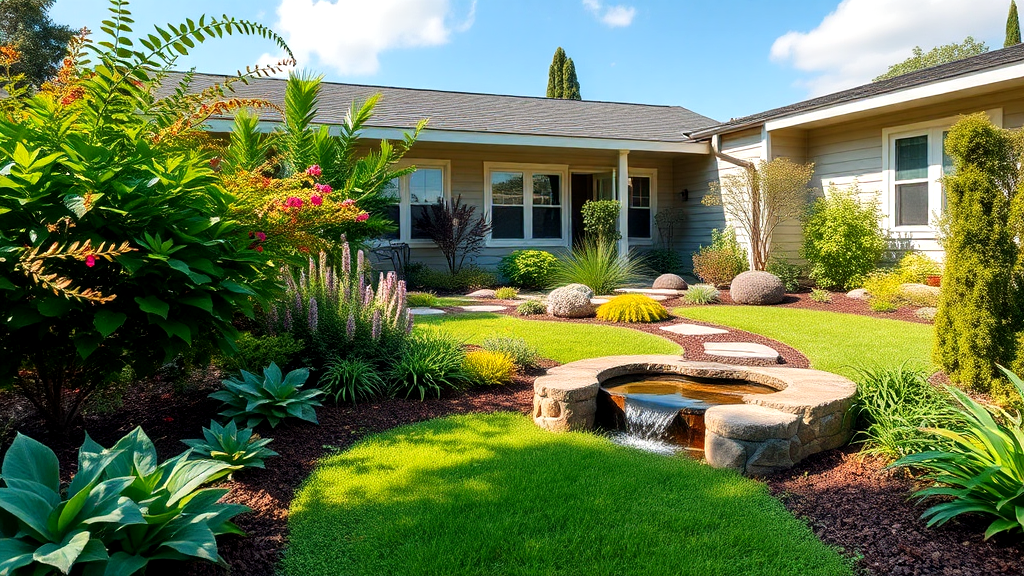
Considering adding a touch of tranquility to your front yard? A water feature, like a small pond or fountain, can be a game-changer. It creates a soothing ambiance while acting as a captivating focal point. Picture the gentle sound of water masking street noise, attracting birds, and enhancing your outdoor oasis. Ensure it harmonizes with your home’s style, whether it’s a traditional front yard or modern minimalist design. For those sun-soaked spaces, these features can offer relief and charm. Dive into creative house landscape ideas and transform your yard into a peaceful retreat that mirrors your personality.
Highlight Your Front Door
Drawing eyes towards your entryway can enhance your home’s appeal. Think of flanking your door with lush planters or symmetrical greenery. This creates an inviting feel, welcoming guests with open arms. Add a splash of bold color to your door for a focal point. Seasonal decorations keep things fresh and exciting year-round. For a traditional front yard flair, consider using a mix of perennials and shrubs. They add charm and continuity, blending seamlessly with ranch style homes. Combine these with creative house landscape ideas, making your entryway stand out in your sun-bathed oasis.
Choosing the Right Trees
Picking the best trees for your front yard can transform your home’s appearance. Focus on those that match your home’s scale while offering shade or privacy. Keep an eye on the mature size and root system; this helps avoid any foundation mishaps. For smaller spaces, dwarf varieties are perfect. Look for species that thrive in your climate and sunlight exposure. Here are some tips:
- Consider ornamental trees for visual interest.
- Use deciduous trees for seasonal shade.
- Select evergreens for year-round appeal.
- Opt for fruit trees for a dual-purpose yard.
- Choose native trees for low maintenance.
- Avoid trees with aggressive roots.
Seasonal Planting Ideas
When considering your front yard transformation, embrace a vibrant rotation of seasonal plants. Spring bulbs burst with color, while summer’s annuals bring lively energy. As autumn arrives, swap in perennials for a warm, cozy feel. Don’t overlook winter—evergreens keep life going all year. Mix textures and colors to create visual appeal. For inspiration, think of a traditional front yard with its timeless charm. Your house’s style should guide plant choices, crafting a cohesive look. From sunlit corners to shady nooks, tailor plant selections to suit each spot’s needs. This approach ensures your landscaping front yard remains a beautiful focal point.
Low-Maintenance Options
Exploring low-effort possibilities for your front yard transformation? Begin by choosing flora suited to your area’s climate. This simple step saves time and keeps your yard looking fresh. Mulch is your buddy; it helps retain moisture and reduces weeding. Consider hardscape elements like gravel paths or stone features to cut back on lawn upkeep. These additions bring a touch of elegance while keeping effort minimal. Think of a traditional front yard with charming touches—perhaps a sunlit corner or two—inviting a timeless look. With these ideas, maintaining a front yard’s beauty becomes a breeze.
Colorful Flower Bed Tips
Mix perennials and annuals for vibrant flower beds in your front yard transformation. Choose colors that complement each other and bloom at different times to ensure a continuous display. Layer plants by height for a full, rich look. This technique adds visual interest and dimension, making your yard stand out. Consider your climate to select the best blooms for each season. With these techniques, your sun front yard can become a colorful masterpiece. Whether you prefer a traditional front yard or a modern twist, your flower beds should reflect your personality and enhance your house’s style effortlessly.
Using Ornamental Grasses
Incorporating ornamental grasses can elevate your traditional front yard into a visual delight. With varied heights and hues, these grasses add texture and movement, like a gentle dance in the breeze. They thrive in the sun front yard, requiring little fuss—just plant and let them flourish. Imagine them swaying gracefully, a natural complement to your more structured plantings. Whether framing walkways or filling gaps, these grasses bring an effortless charm. With this approach, your front yard transforms into a captivating landscape that whispers elegance and ease, making your house a neighborhood standout.
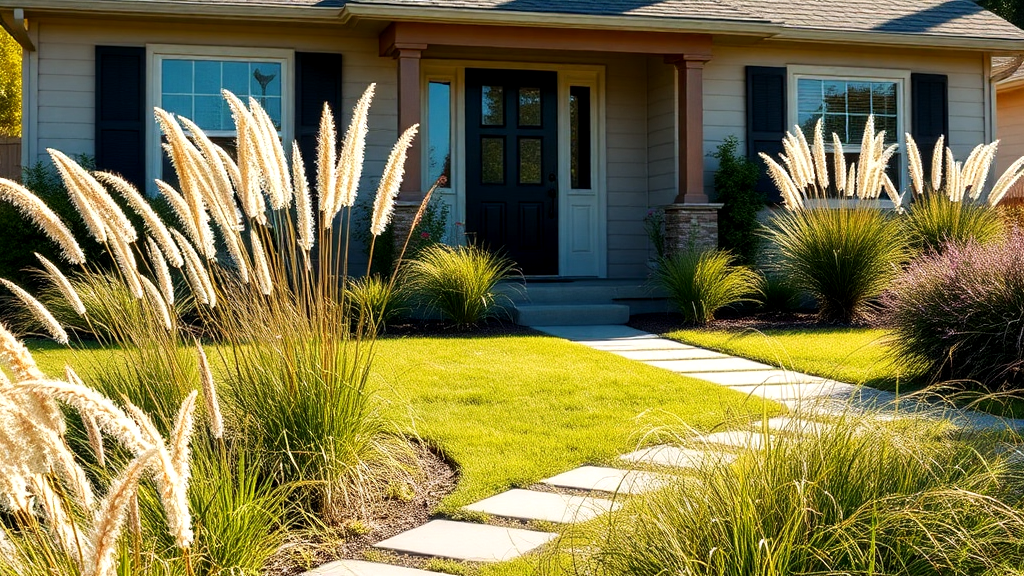
Container Gardening Concepts
Leveraging container gardening opens up a world of creativity for your front yard. Choose vibrant containers that complement your home’s architecture. Fill them with lively seasonal plants to keep things fresh. Group containers creatively, and move them around as your mood changes. This adaptability lets you experiment with different looks without a full overhaul. Imagine a row of colorful pots lining your walkway, adding charm to your front yard landscape. With container gardening, the possibilities are endless, offering flexibility and an evolving personal touch to your traditional front yard setting. Get those green thumbs ready and watch your space blossom!
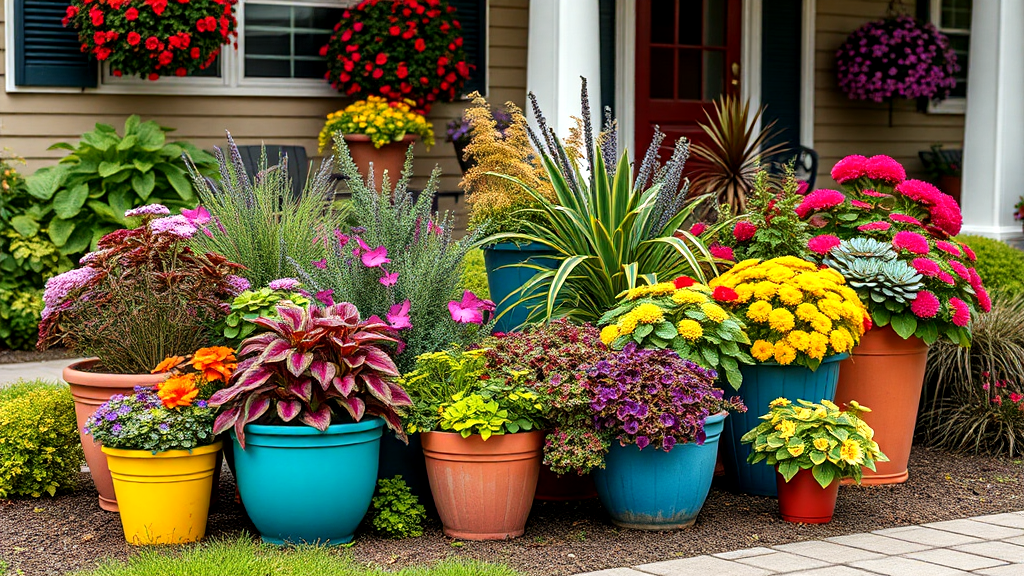
Lighting for Evening Appeal
Boosting the charm of your outdoor space when the sun sets involves more than just practical illumination. Strategic lighting choices can transform your house into a beacon of warmth and style. Opt for solar lights to line pathways, making evening strolls enchanting. Highlight architectural features or a favorite tree for added elegance. Warm lights create a cozy atmosphere, inviting guests and neighbors alike. Imagine your traditional front yard glowing softly, a serene scene that beckons relaxation. These house landscape ideas ensure your yard remains a focal point, day or night. A well-lit yard becomes a haven, both welcoming and magical.
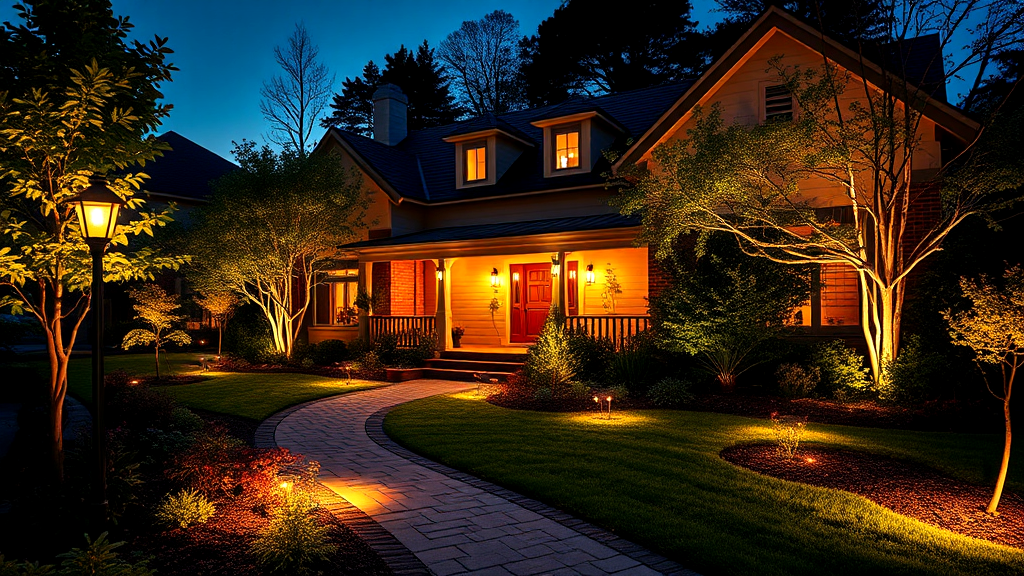
Making Use of Vertical Space
To maximize your yard’s potential, think vertically with trellises and wall planters. Climbing plants not just add greenery; they transform blank walls into living art. This trick is perfect for a small landscaping front yard or creating privacy nooks. Imagine a lush, green wall framing your outdoor escape. Use these ideas for front yards to make the most of every inch. Your house becomes the talk of the town with these house landscape ideas. It’s like giving your yard a facelift, using sun-facing corners as prime real estate. Keep it simple, effective, and, most importantly, beautiful.

Enhancing with Garden Art
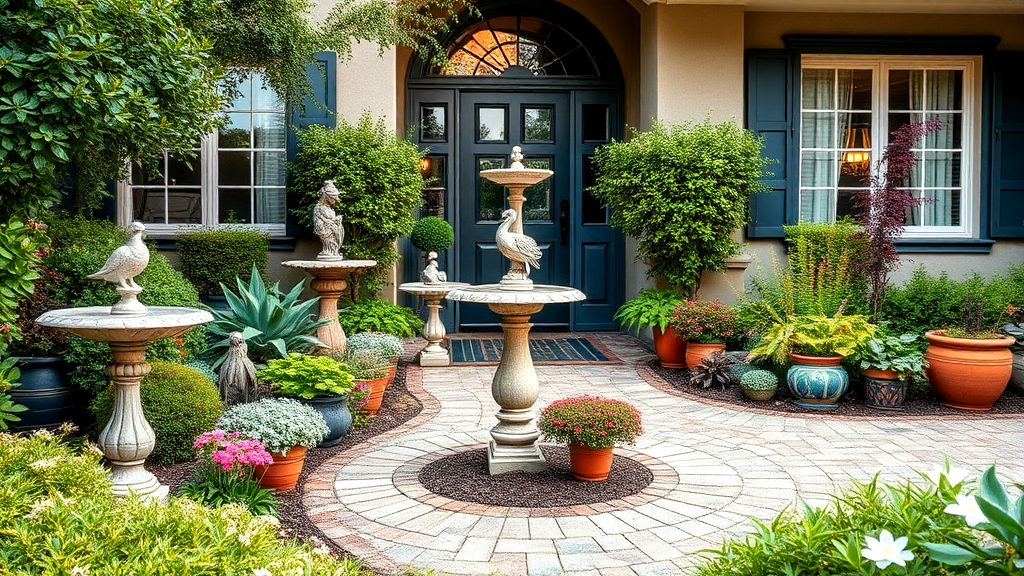
Inject personal flair into your front yard transformation with well-chosen garden art. Consider sculptures, birdbaths, or decorative pots that reflect your personality. These pieces can be the cherry on top of your front yard’s design. Imagine a statue peeking through lush greenery or a colorful pot brightening a dull corner. They invite curiosity and conversation, making your space more engaging. When selecting items, ensure they blend seamlessly with your existing house landscape ideas. Remember, less is more—strategically placed art can elevate without overwhelming, creating a charming and welcoming outdoor front yard experience.
Eco-Friendly Landscaping Solutions
Adopting eco-minded practices in your front yard can create a stunning yet sustainable oasis. Start with native plants that require less water, making them perfect for a sun front yard. Composting enriches the soil, adding nutrients naturally. Think of rainwater harvesting as nature’s way of lending a hand during dry spells. These house landscape ideas conserve resources while beautifying your space. Ever notice how a small water feature can cool things off? It’s like a breath of fresh air on a hot day. With these ideas for front yards, your home becomes an eco-friendly retreat that radiates charm.
Conclusion
Landscaping your front yard is like painting a masterpiece on a blank canvas. Every choice adds a splash of color or a hint of texture. Whether you’re dealing with a tiny plot or a sprawling space, a few thoughtful touches can spark joy and wow your neighbors. Remember, the goal is not just beauty but functionality and sustainability too.
Keep an open mind and try new ideas, from drought-tolerant plants to vertical gardens. Don’t be afraid to mix traditional styles with modern elements. The aim is to create a space that reflects your personality and meets your needs. After all, your front yard is the first impression of your home. Let it be welcoming, vibrant, and uniquely you. Happy gardening!
FAQ
-
What should I consider when planning my front yard landscaping?
Start by assessing your space. Think about your home’s style, climate, and budget. Identify what you want most, like a new walkway or trees for shade. Sketch a layout that fits your ideas. Consider how much time you want to spend on maintenance, too.
-
How can I make the most of a small front yard?
Small yards can be charming with creative touches. Use colorful plants in pots or hanging from hooks. Vertical gardens can save space and add privacy. Incorporate evergreens for year-round green. You’d be surprised at how much impact you can make!
-
What plants are best for curb appeal in my front yard?
Mix it up with grasses, shrubs, and flowers. Try plants with different heights and textures. Evergreens are great for structure. Add flowering plants for color.
🌿 Frequently Asked Questions About Front of House Landscaping
What are some simple front yard landscaping ideas to improve curb appeal?
Answer: To quickly boost curb appeal, consider adding colorful flower beds, planting shrubs along walkways, installing landscape lighting, and using mulch for a clean look. Explore more landscaping inspiration in our real estate blog.
How do I landscape my front yard on a budget?
Answer: You can landscape affordably by using native plants, repurposing materials like stones or bricks, starting a DIY flower garden, and focusing on one area at a time. Learn more ways to enhance your home’s exterior with cost-effective front yard ideas.
What types of plants are best for front yard landscaping in Central California?
Answer: Drought-tolerant plants like lavender, agave, succulents, and California poppies thrive in Central California’s climate. These options are beautiful, low-maintenance, and water-efficient. Connect with our local experts to find more plant recommendations perfect for your home.
How can landscaping increase the value of my home?
Answer: Professional landscaping can increase your home’s value by up to 10-15%. A well-maintained yard creates a strong first impression, attracts more buyers, and can lead to faster sales. Find out how to maximize your home’s potential with advice from our trusted local real estate agents.
Should I hire a professional landscaper or do it myself?
Answer: If you enjoy DIY projects and have a small yard, you can handle simple landscaping yourself. For complex designs or large areas, hiring a professional ensures lasting results and saves time. Speak to one of our recommended service partners today!
Do it yourself home renovation

DIY Home Renovation Tips
Thinking about giving your space a facelift? We’ve got some great tips for DIY home renovation. Whether you’re looking to tackle a diy kitchen renovation or explore other home renovation projects, planning is key. Start by watching online tutorials to gather home improvement ideas. This can help you craft a solid plan and avoid common pitfalls.
Budgeting is another crucial step. Keep an eye on costs for a successful budget remodel. A good approach is to break your expenses into categories and prioritize.
Safety should never be compromised; follow guidelines and wear protective gear. For those looking for inexpensive home improvements, updating fixtures or adding a fresh coat of paint can make a big impact. Let’s get renovating!
Key Takeaways
-
Effective planning is key for successful home renovations. Utilize online resources like tutorials.
-
Budgeting is crucial; prioritize projects for a successful budget remodel.
-
Safety first: always follow guidelines and wear protective gear.
-
DIY kitchen renovation can boost value; consider repainting cabinets and updating fixtures.
-
Explore inexpensive home improvements like fresh paint to refresh your space.
Planning Your Home Renovation Project
Tackling a DIY home renovation demands smart planning. We must first assess our space to pinpoint what truly needs a facelift. Watching tutorials on Home RenoVision can be a game-changer, offering fresh decorating ideas and inspiration. Crafting a detailed project plan helps keep our budget remodel on track. If we wish to explore inexpensive home improvements, we can consider updating fixtures or adding a splash of paint. Keeping these steps in mind ensures our renovation projects sail smoothly.

Budgeting for DIY Home Renovations
Navigating the financial side of a DIY home renovation is like conducting a symphony. Each note, or expense, needs careful attention. We can break our budget into manageable parts, prioritizing projects that enhance our space. Curious about the financial impact of bathroom updates? Block Renovation explores this in their insightful guide. Strategic planning ensures our home renovation projects hit the right notes without breaking the bank.
Essential Tools for DIY Home Renovations
Having the right gear is crucial when embarking on a DIY home renovation journey. We need essentials like a power drill, circular saw, and a reliable tape measure. Don’t forget safety gear—gloves and goggles are must-haves. A spirit level ensures straight lines, while a multi-tool handles unexpected tasks. For those interested in boosting curb appeal, I’ve shared insights at Curb Appeal Landscaping. Watching how-to videos can elevate our skills.
Safety Tips for Home Renovation Projects
Safety during our DIY home renovations is crucial. Always prioritize protective gear—goggles, gloves, and sturdy footwear. Be mindful of electrical hazards; disconnect power before working. Watch your step on ladders; falling isn’t fun! Know your tools—misuse can lead to injury. Consider the area’s structural integrity. Unexpected surprises can catch us off guard. Stay informed about local codes to dodge fines. Our home renovation projects should be as safe as they are transformative.

DIY Kitchen Renovation: Tips and Tricks
Diving into a kitchen makeover can transform our cooking haven without breaking the bank. Sprucing up cabinets with a fresh coat of paint and swapping out dated fixtures can breathe new life into the space. Adding a striking backsplash is like giving your kitchen a stylish necklace. Watching Home RenoVision can give us countless tips and tricks. Let’s make our diy kitchen renovation an exciting adventure, filled with creativity and smart financial decisions.

Affordable Home Improvement Ideas
Exploring ways to enhance your living space without emptying your wallet? Repainting walls or cabinets can instantly transform a room. Updating light fixtures adds flair and function. For a cozy touch, consider DIY shelves or clever storage solutions. Curious about kitchen upgrades that boost value? ZeroDown’s insightful blog suggests changes with high returns. These simple projects can make a world of difference. Let’s roll our sleeves up!
DIY Home Renovation: Avoiding Common Mistakes
Avoiding common pitfalls during a DIY home renovation is like steering a ship through choppy waters. We’ve all watched enough renovation shows to know that careful planning and research save us from unnecessary headaches. Engaging with online communities can provide invaluable insights. Watching reliable sources like Home RenoVision for advice can be a game-changer. By learning from others’ missteps, we can navigate our own renovation journey smoothly without hitting any icebergs.
DIY Home Renovation Projects on a Budget
Tackling budget-friendly home updates can be quite the adventure, don’t you think? Let’s focus on those projects that truly pay off. Painting walls or cabinets, for instance, can dramatically change a room’s vibe. Sprucing up your garden with affordable plants can boost curb appeal. Watching Home RenoVision offers smart strategies. Little changes, like adding DIY shelves, keep costs low yet impactful. Our home improvement DIY journey is about creative solutions, not emptying our wallets!

Step-by-Step Guide to Painting a Room
Embarking on painting a room in our DIY home renovation journey can be rewarding. First, clear the space and cover surfaces to protect them. Choose a quality paint that suits the room’s purpose and mood. Start by edging corners with a brush before using a roller for the walls. Watch for drips and uneven strokes. Check out creative decorating ideas to complement the new color. Remember, patience and precision are our best friends here.
How to Install Vinyl Plank Flooring
Installing vinyl plank flooring is straightforward yet rewarding. Start by preparing the subfloor, ensuring it’s clean and level. Begin laying planks from a corner, using spacers against walls for expansion gaps. Click edges together, tapping with a mallet for a snug fit. Trim planks with a utility knife for a perfect finish. Need more guidance? Homerenovisiondiy.com offers detailed instructions and tips, making this budget remodel project accessible to all. Enjoy the transformation!
Upgrading Your Bathroom: DIY Ideas
Refreshing your bathroom can be a breeze with a few creative ideas. Try swapping out those outdated fixtures for something more modern. Consider replacing old tiles with peel-and-stick versions for an easy update. Adding a new coat of paint to the walls can make a world of difference. For a touch of elegance, install a stylish mirror or some chic shelving. Need more inspiration? Watch a tutorial on Home RenoVision DIY for practical tips.
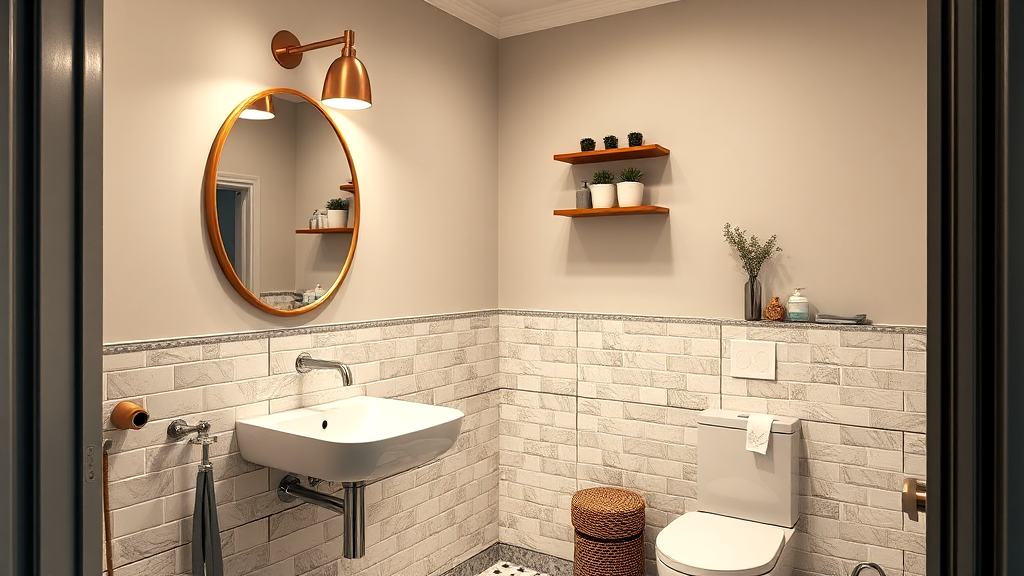
DIY Home Renovation: Choosing the Right Materials
Selecting the perfect materials for our DIY home renovation can feel like a treasure hunt. We must balance quality with cost, focusing on durability and style. It’s wise to read reviews and compare prices. For the bathroom, high-quality tiles offer great return on investment, as outlined in Block Renovation’s guide. Let’s not forget to watch trends for fresh decorating ideas—sometimes a small change can make a big impact!
Enhancing Natural Lighting in Your Home
Bringing more light into our homes can transform the ambiance. We can achieve this by strategically placing mirrors to reflect sunlight, using light-colored paints to brighten spaces, and rearranging furniture to allow light flow. Simple home improvement ideas like these can feel like a breath of fresh air. For those eager to explore more, they might find Troy Segal’s Twitter worth a look for creative decorating ideas.

Creative Storage Solutions for Small Spaces
Optimizing storage in small areas requires a sprinkle of ingenuity. Embrace vertical spaces with wall-mounted shelves for books or knick-knacks. Multifunctional furniture, like ottomans with hidden compartments, are lifesavers. Over-door racks transform wasted space into valuable storage. For DIY home renovations, consider creating a custom closet organizer. It’s easier than it sounds! Adding hooks inside cabinet doors can provide extra room for tools or cleaning supplies. Watch for more creative home improvement projects on Home RenoVision DIY!
DIY Home Renovation: Increasing Home Value
When aiming to boost home value, our home improvement diy strategy focuses on impactful projects. Start by updating kitchens and bathrooms, adding modern fixtures or a fresh paint coat. Energy-efficient upgrades like LED lighting can also be cost-effective. For inexpensive updates, consider new decor or enhancing curb appeal with landscaping. Always watch for trending styles and materials to keep our spaces current. With the right projects, we can achieve significant value gains.
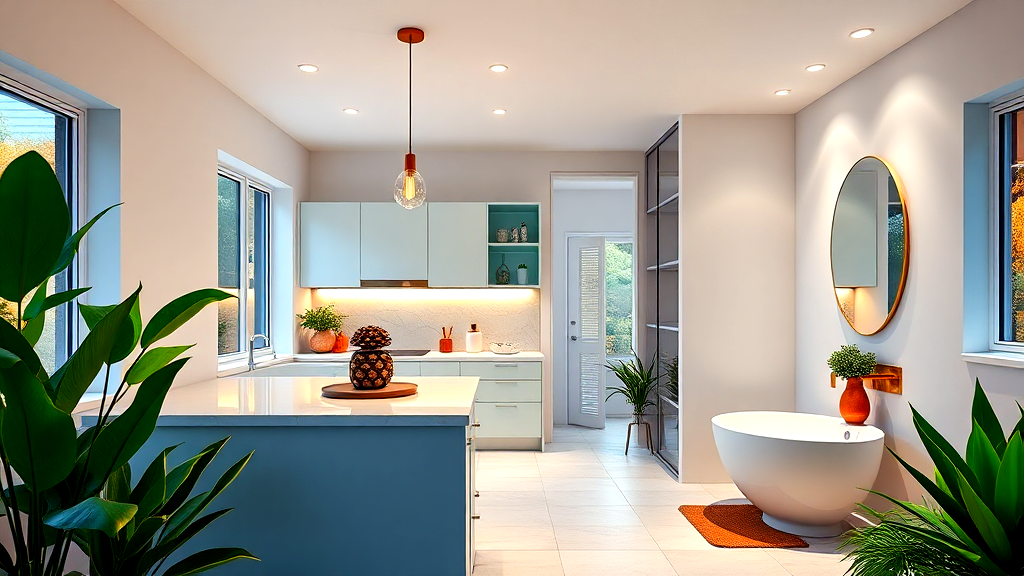
Cost-Effective Landscaping Tips
Sprucing up our outdoors doesn’t require a fortune. Consider planting perennials for lasting beauty. They return year after year, saving us money on replacements. Mulch is another thrifty choice, keeping weeds at bay while giving a polished look. Let’s not forget the lawn—regular mowing and edging can transform our space. For more unique decorating ideas, watch some online tutorials. They offer a treasure trove of inexpensive home improvements for any budget remodel!
Final Checks Before Completing Your Renovation
Before wrapping up our renovation journey, let’s inspect everything with a keen eye. We should watch for any overlooked details or incomplete tasks. It’s like the final brushstroke on a masterpiece. Ensure all fixtures are secure and paint is even. Double-check the budget remodel plan to confirm we stayed within limits. This last look-over can prevent future headaches. Attention to detail now ensures our home shines like a diamond in the rough!
Conclusion
As we wrap up our adventurous journey through DIY home renovations, let’s reflect on our toolbox of knowledge. We’ve explored how to plan, budget, and properly equip ourselves for success. From kitchens to bathrooms, we’ve seen how simple changes can breathe new life into our spaces. Along the way, we’ve learned the value of safety and avoiding common pitfalls. It’s comforting to know we aren’t alone in this—there’s always a community of fellow DIYers ready to share wisdom.
Remember, each project is an investment in our home’s value and our personal satisfaction. Whether it’s installing vinyl flooring or enhancing natural light, every step we take is toward creating a space that truly feels like ours. Keep these tips handy, and may your DIY adventures be as smooth as a freshly painted wall!
FAQ
-
How do we start planning a DIY home renovation?
Start by evaluating what needs improvement. Create a detailed plan. List out materials and timelines. Check out YouTube tutorials for inspiration. This will help us visualize our project.
-
What are some essential tools we might need?
Basic tools like a tape measure, hammer, and drill are a must. Depending on our project, we might need specialized tools too. Many DIY channels suggest tools available online.
-
How can we keep our home renovation budget-friendly?
Break our budget into categories. Prioritize projects with good return on investment. Minor bathroom updates or painting can be cost-effective. Always check for deals on materials.
-
What safety tips should we keep in mind?
Safety first! Always wear protective gear like gloves and goggles. Follow safety guidelines strictly. Be mindful of local building codes to avoid mistakes.
-
How can we enhance natural lighting in our home?
Use mirrors and light-colored paints to brighten spaces. Arrange furniture to allow light flow. These changes make rooms feel more open and warm.
curb appeal landscaping
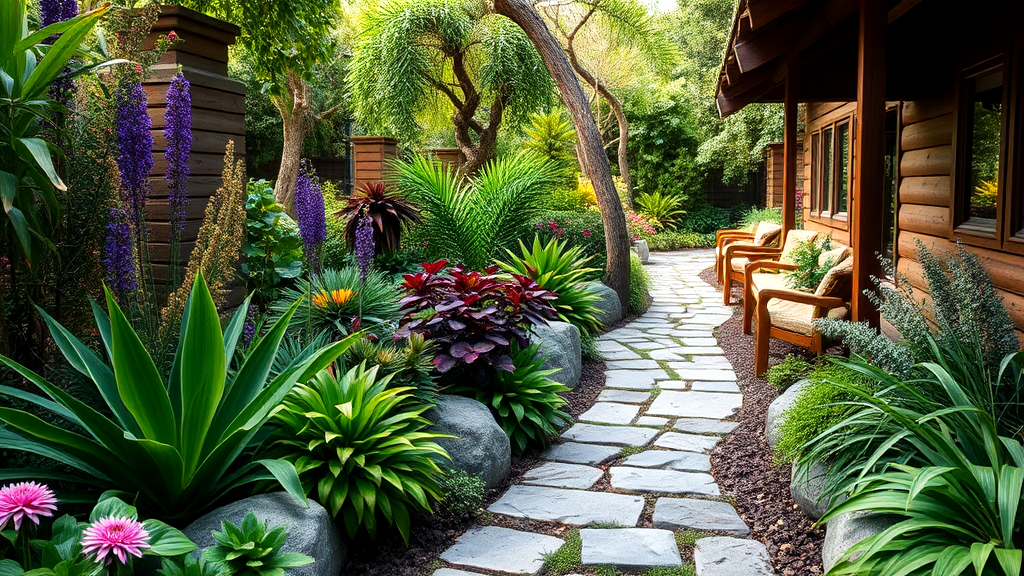
Creating Curb Appeal Landscaping
Creating curb appeal landscaping for our homes can transform a simple yard into a masterpiece. With the right balance of plants, hardscaping, and creativity, we can achieve a stunning look. Luxury outdoor living is all about making our space inviting and functional. From choosing native plants to incorporating front yard landscaping ideas, we have endless options.
Imagine a beautifully landscaped yard that draws eyes and envy. Adding elements like concrete curbing and water features can boost curb appeal effortlessly. These small changes make a big impact. Let’s explore some yard landscaping ideas to inspire our next project. Whether it’s for a modest garden or a grand estate, the right landscaping ideas can make all the difference.
Key Takeaways
-
Understanding landscaping basics helps create a stunning, functional yard.
-
Selecting the right plants ensures harmony with your home’s style and climate.
-
Hardscaping adds structure and enhances design with pathways and patios.
-
Consider seasonal features like water elements for visual interest and tranquility.
-
Avoid pitfalls by using sustainable practices and designing outdoor living spaces.
Understanding the Basics of Landscaping
Grasping the core concepts of transforming a typical yard into an inviting oasis can make all the difference. When considering curb appeal landscaping, the focus should be on creating a balance between nature and architecture. Picture your front yard as a canvas, where carefully selected plants and structures enhance the overall visual harmony.
Speaking of harmony, creating appealing designs might boost curb appeal significantly. A mix of yard landscaping ideas can transform your entrance into a welcoming sight. But remember, the choice of plants and materials should reflect your home’s style, ensuring that every addition feels like it belongs there.
Our experience shows that a well-thought-out curb appeal idea involves more than just plants. Strategically placed hardscaping features, like pathways and patios, offer structure and accessibility. If you’re curious about how landscaping choices impact property value, check out our insights on California home sales.

Choosing the Right Plants for Your Yard
Choosing the best flora for our yard revolves around matching them to our home’s vibe. We start with plants that embrace the theme we want, whether lush or minimalist. For a touch of whimsy, imagine tall grasses swaying in the breeze or vibrant blooms popping against the backdrop. Our strategy includes considering growth habits, ensuring they don’t outgrow their welcome.
Also, let’s pick plants that mirror our climate. This makes care a breeze while keeping things green year-round. Looking at images of successful curb appeal landscaping can spark fresh yard landscaping ideas. These visuals can guide us in blending colors and textures flawlessly.
Balancing height and texture creates a lively front yard. And, with some landscaping curb appeal adjustments, our space becomes a neighborhood talk. Dive into appeal landscaping ideas that mix hardscapes with lush greenery to achieve that perfect curb appeal. Think of it as a mini makeover with big, bold results!

Choosing the Right Plants for Your Landscape
Matching plants to our home’s aesthetic is key in designing a stunning yard. We dive deep into the world of textures and colors, considering how they interact with each other. Our goal is to create layers that draw the eye and complement our house’s facade. Adding different plant heights not just boosts visual interest but also blends seamlessly with the architecture.
Native and climate-friendly choices ensure sustainability and easier maintenance. Incorporating these choices can save us from the dreaded pruning nightmares. Our secret weapon? Looking at images from successful yards. They inspire fresh ideas and guide us in mixing elements harmoniously.
Exploring landscaping curb appeal involves mixing hardscapes like paths with lush greenery. This artful blend transforms our space into a welcoming haven. While browsing appealing landscapes, check out Waterfront Graphic’s Facebook page for inspiration. Their designs might spark new curb appeal ideas for our own front yard!
Selecting the Right Plants for Your Climate
When choosing plants for our climate, we focus on native and drought-tolerant options. This approach not just saves water but also makes maintenance a breeze. We know, nobody wants to sweat over a wilting garden! Native plants effortlessly withstand local weather, offering beauty all year round. Selecting the right flora can transform our space into a picturesque scene.
Checking out images of successful gardens often gives us fresh yard landscaping ideas. Whether we need front yard landscaping inspiration or want to explore different textures, they’re a goldmine. Mixing heights and colors adds dimension and flair, making our home stand out.
In our search, we occasionally stumble upon gems like the California Housing Market. These stories can ignite our creativity, sparking ideas to improve our curb appeal. Remember, a well-chosen plant can be more than a decoration; it’s part of a living, breathing design.
Selecting the Right Plants and Materials
Choosing the best plants and materials for curb appeal can feel like selecting the perfect outfit for a special occasion. Our choice of plants hinges on the size and style of our yard. We love incorporating taller plants and varying textures to create interest. Native flora not just survives but thrives in our climate, making yard maintenance easy-peasy.
When it comes to picking materials, we focus on sustainable options that echo our home’s architecture. Picture a garden path that seamlessly connects different yard areas, almost like a natural flow. Hardscaping elements like stone or wooden features add both charm and practicality.
For inspiration, we occasionally browse images of stunning gardens or explore resources like Appeal Landscape Supply. These glimpses into other spaces can ignite fresh ideas for our own patch of paradise. Ultimately, our choices breathe life into our yard, transforming it into a welcoming haven.

The Role of Hardscaping in Design
Integrating hardscaping into our design is like giving structure to a painting. These elements, such as pathways or patios, help define spaces and guide the eye. They’re the bones of any yard landscaping ideas, ensuring everything feels cohesive and connected. Hardscaping also adds a layer of functionality, making spaces more usable and enjoyable.
Consider how a well-placed stone path can lead guests through a front yard with grace, enhancing the overall appeal. Thoughtful hardscaping not just complements but elevates the natural beauty of the plants around it. It’s like the frame that highlights a masterpiece.
For those pondering how much curb appeal can boost a home’s value, a visit to NAR Realtor offers insights. By harmonizing hardscaping with our chosen flora, we create a canvas that delights the senses and adds value.

Seasonal Considerations for Yard Appeal
Addressing seasonal factors is key when enhancing our yard’s visual charm. Each season offers unique opportunities and challenges, influencing how we maintain and design our outdoor spaces. In spring, vibrant blooms and lush greenery can be the main attractions, while summer invites us to create shaded retreats for relaxation. Fall, with its rich, warm hues, encourages us to incorporate elements like ornamental grasses or late-blooming perennials. Winter, on the other hand, might require us to highlight evergreens or structures that maintain interest amidst the bare branches.
When planning curb appeal landscapes, it’s crucial to consider how different seasons affect plant growth and visibility. By choosing plants that thrive all year round, we can ensure consistent appeal. An exciting article on NAR Realtor explores how front yard landscaping can significantly boost a home’s value, emphasizing the importance of strategic planning for all seasons.

Incorporating Water Features for Added Beauty
Installing water features can truly uplift the allure of our curb appeal landscapes. Imagine a small pond or a gentle fountain, bringing tranquility and movement. They not just captivate the eyes; they also soothe the soul with their soft sounds. The key is in choosing a water feature that meshes well with our existing design, avoiding any jarring contrasts.
Adding a touch of water can turn a plain yard into a serene oasis. It acts as a natural centerpiece, drawing attention and admiration. Plus, maintaining these features isn’t a Herculean task. With some initial setup and occasional upkeep, they remain a delightful part of our outdoor space.
So, as we shop for our appeal landscaping supply, keeping an eye out for the right water features could be our secret weapon. Let’s remember, our yard is not just a space—it’s an experience waiting to unfold.
Incorporating Water Features for Visual Interest
Sprinkling a touch of water magic can boost the allure of our yard. Envision elegant fountains or whispering ponds that not just charm the eye, but soothe the spirit. Integrating these elements with our existing design ensures harmony rather than discord. Our water features should blend seamlessly with the surroundings, making them a natural extension of our space.
When selecting these features, balance is crucial; they should neither overpower nor fade into obscurity. Consider how various images of water features can inspire ideas that suit our style. Let’s not forget the practical side—ensuring maintenance remains manageable helps preserve their allure.
Interestingly, exploring how water interacts with our existing plants can reveal hidden synergies. This can turn our outdoor space into a true sanctuary. As we plan, let’s remember that our yard is an evolving canvas, ready to reflect our creativity and vision. Building a real estate team might spark new landscaping ideas. Explore how collaboration shapes landscapes.

Common Mistakes to Avoid in Landscaping
Avoiding typical blunders when crafting your outdoor space can make a world of difference. One big no-no is ignoring the scale of plants. Planting a towering tree in a tiny yard? That’s like a bull in a china shop! We must be mindful of size and placement.
Another pitfall is skipping soil prep. It’s like baking a cake without mixing the batter. Good soil is the foundation of any garden. Overloading with too many plant varieties also creates a chaotic look, muddling the overall design.
Let’s not forget the importance of lighting. Without it, your yard might feel like a dark alleyway! Proper lighting enhances both safety and style.
And remember, overlooking maintenance can turn beauty into a beast. Regular trimming and watering keep everything tidy. For those of us seeking supplies, consider options like the nearby “appeal landscape supply” for quality materials.

Sustainable Practices for Eco-Friendly Landscaping
Incorporating eco-conscious methods can make our curbside gardens both beautiful and sustainable. Let’s consider some practices to boost our outdoor spaces’ appeal while being environmentally friendly.
-
Native Plants: These require less water and care, thriving in local climates.
-
Efficient Irrigation: Drip systems prevent water waste, keeping plants healthy.
-
Composting: Turn kitchen scraps into nutrient-rich soil, reducing waste.
-
Permeable Paving: Allows rainwater to seep into the ground, reducing runoff.
-
Rain Gardens: Capture and filter stormwater, adding beauty and function.
-
Organic Mulches: These conserve moisture and suppress weeds naturally.
-
Solar Lighting: Illuminate paths with energy-efficient lights for a warm glow.
With these strategies, we can craft a garden that respects nature and delights the eye. Speaking of delight, have you ever considered how a well-designed garden impacts local real estate? Our blog explores this topic further and the nuances of the housing market here.
Creating Outdoor Living Spaces for Entertaining
Creating spaces for hosting outdoors can bring life and joy to our homes. When designing these areas, consider both aesthetics and practicality. An inviting patio or a cozy fire pit can transform a simple yard into a lively entertainment spot. Adding comfortable seating, perhaps with weather-resistant cushions, creates a warm and welcoming atmosphere.
Don’t forget the role of lighting. Soft, ambient lights can set the mood for evening gatherings, making our space feel magical. Incorporating greenery, like potted plants or small trees, helps blend our outdoor living area with nature. This not just beautifies but also adds texture and color.
Let’s not overlook the importance of appeal. A well-thought-out design can make our home the talk of the neighborhood. Remember, the right choices in landscaping supplies can significantly impact the overall outcome. Lastly, share your ideas with friends and family; their input might inspire even greater creativity.
Conclusion
Landscaping is like painting with nature. It’s all about finding the right balance. When we select plants, we think about size, color, and climate. We want our choices to match our home’s style and be easy to maintain. Using local plants can make this easier and more eco-friendly.
Hardscaping is another layer to consider. Think of it as the bones of your yard. Pathways, patios, and walls give structure. They guide us through the space, making everything feel connected.
Water features add that special touch. They bring peace and beauty, but they need care too. Let’s not forget about creating spaces for us to enjoy. A cozy fire pit or an outdoor kitchen can make a yard feel like home. Smart planning makes all the difference in creating a beautiful and functional space.
FAQ
-
How do I start creating curb appeal with landscaping?
Begin by assessing your property’s layout and your home’s architectural style. These will guide your landscaping choices. Integrate both natural and built elements for a seamless and appealing look. Remember, it’s all about creating a balance between function and beauty. A little planning goes a long way!
-
What should I consider when choosing plants for my yard?
Think about the size and shape of your yard first. Then, pick plants that match your desired style. Consider their growth habits and maintenance needs, too. You don’t want plants that grow wild and take over. Choose wisely for a cohesive and low-maintenance design.
-
How can I ensure my plants thrive in my local climate?
Select native plants that are naturally suited to your climate. They require less water and care, making them an eco-friendly choice. Plus, they help maintain the local ecosystem. When plants are in their element, they shine bright and healthy.
-
What role does hardscaping play in landscaping design?
Hardscaping includes elements like pathways, patios, and curbing. These structures provide definition and flow to your design. Think of them as the backbone of your yard. They guide the eye and create focal points, enhancing the overall look.
-
How can I avoid common landscaping mistakes?
Sustainability is key. Use drought-tolerant plants and efficient irrigation. Opt for organic mulches to conserve resources. Don’t forget to plan for functionality, too. Create inviting spaces like seating areas or outdoor kitchens that blend with your design. Avoid over-complicating your landscaping to keep it beautiful and practical.
outdated home trends
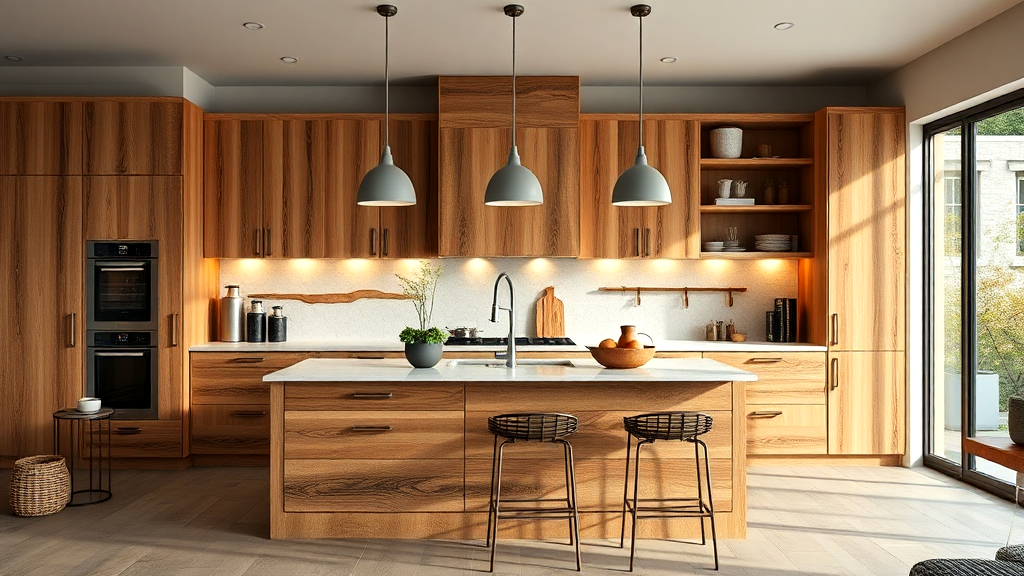
Outdated Home Trends to Avoid in 2024
In 2024, keeping your home stylish means ditching some once-popular features. Outdated home trends are making way for fresh and personalized choices. Say farewell to gray walls and open floor plans. Instead, embrace cozy rooms with warm colors. Your living room should reflect who you are, not what’s trending on Pinterest. The shift is towards unique home decor trends that prioritize sustainability. Think of it as an evolution in interior design. No more cookie-cutter looks! This year is about personal touches and timeless pieces. Whether it’s a new design trend or a modern twist, your room should tell a unique tale. Keep reading to discover what’s in and what’s out!
Key Takeaways
-
Open floor plans are being replaced by cozy, private spaces that suit a post-pandemic lifestyle.
-
Gray tones are losing favor, with warmer shades like cream and beige taking over.
-
The once-popular all-white kitchens are now replaced by designs with wood tones and colored cabinets.
-
Fast furniture is out; there’s a focus on quality and sustainability.
-
Nautical themes and word art decor are being traded for more personalized and meaningful pieces.
Say Goodbye to Open Floor Plans
Bidding farewell to the open floor concept, homeowners crave privacy and defined spaces. This shift reflects a need for cozy, intimate living areas, ideal for modern lifestyles where home offices and multi-functional spaces are essential. With walls now in vogue, the trend offers more than just rooms; it creates a sanctuary in each corner of the house. This transformation aligns with the desire to move beyond outdated home decor and embrace more personalized interiors. In my own exploration of home design trends, I’ve noticed how closed spaces enhance both functionality and comfort. Curious about real estate roles in this evolving market? Here’s what I’ve discovered.

Moving Away from Gray Everything
Shifting from the gray monotony, today’s home decor trends embrace warmer tones like creamy whites and beiges. These inviting hues breathe new life into interiors, replacing the outdated home trend of cool neutrals. Imagine your living room enveloped in earthy colors, creating a vibrant and comforting sanctuary. This move away from gray not just revitalizes spaces, but also aligns with modern day trends toward more personal and expressive interiors. Curious about how this impacts real estate? Check out the latest updates. Embrace these changes and watch your interior design transform into a reflection of your unique style.
The End of All-White Kitchens
The era of sterile kitchens is waning, replaced by vibrant and dynamic designs. Wood tones and colorful cabinets are becoming the heroes of the modern kitchen, bringing warmth and character. This marks a significant shift from the once-popular monotone look, making way for more expressive and personalized interiors. Imagine a kitchen that tells a tale, each hue and texture a chapter in your design narrative. As we move away from these outdated home trends, kitchens become spaces of creativity and life. For those interested in capital gains tax nuances, here’s what I’ve learned. Embrace these changes and transform your living space.

Farewell to Fast Furniture
Bidding adieu to fast furniture marks a pivotal shift in home decor trends. People are now choosing quality over quantity. This isn’t just about aesthetics; it’s about investing in pieces that last. The allure of cheap, quick furniture fades when faced with sustainability. Think of it as trading fast food for a gourmet meal. This trend aligns with the broader push away from outdated home decor. Imagine a living room filled with timeless pieces, each telling its own tale. The focus is now on creating enduring memories, not just filling space. As we embrace these changes, our interiors become deeply personal reflections.

Phasing Out Cold Minimalism
Easing away from cold minimalism, the spotlight shines on vibrant, expressive interiors. Outdated home trends are making way for colorful, bold designs brimming with personality. Imagine stepping into a living room filled with intricate details and textures, breaking free from the sterile, minimalistic aesthetic. This shift is akin to trading a monochrome canvas for a vivid masterpiece. For ideas on integrating unique decor like small white ceramic centerpieces, visit their product page on Amazon. Embracing change enriches our spaces with warmth and character, elevating them beyond outdated home decor.
Retiring the Barn Door Craze
The barn door era is closing, as they become relics of outdated home trends. People now prefer doors with better functionality and a sleek aesthetic. Imagine swapping out that old barn door in your living room for a modern shaker style. This shift not just enhances style but also practicality. For inspiration, check out how one living room evolved with a modern touch over just a few months on Chris Loves Julia. By moving away from this once-popular fad, we embrace more timeless interior design trends, creating spaces that truly reflect our style and personality.
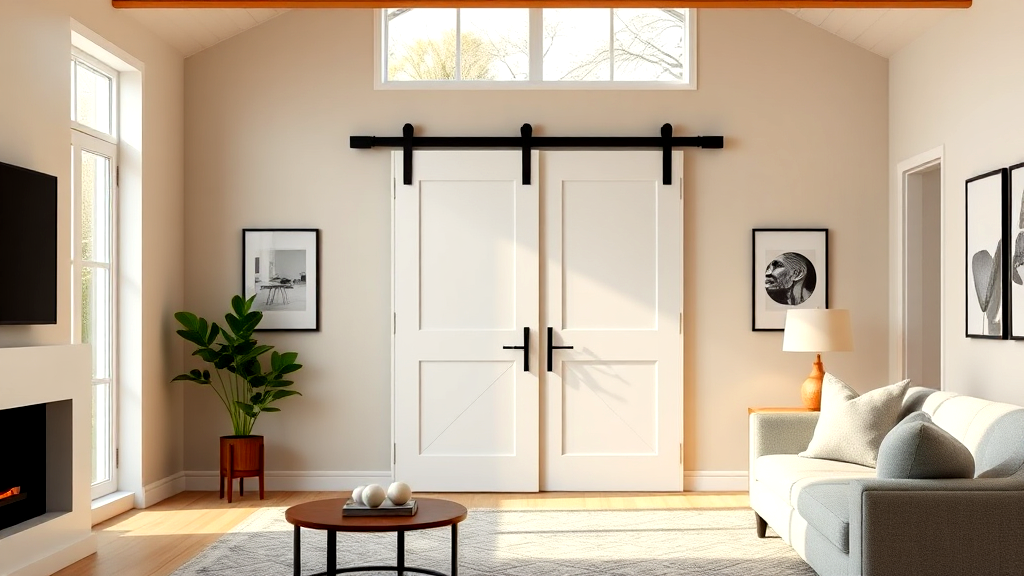
Ditching Generic Design Elements
Leaving behind generic design elements, homes are now embracing a more personal touch. Moving away from the outdated home trend of bland decor, unique art and personal heirlooms are taking center stage. Imagine your room adorned with pieces that tell your family’s stories instead of soulless word art. This shift reflects a broader movement towards meaningful interiors. Those curious about such transformations can witness it in action, like Studio McGee’s living room project here. This transition not just elevates spaces but also resonates with the broader push towards authentic home decor experiences, reflecting personal tastes and emotions.

Time to Update Traditional Cabinetry
Shifting from outdated cabinetry to modern designs breathes life into your kitchen. Traditional cabinetry often feels heavy and outdated, lacking the charm of today’s top home decor trends. Imagine incorporating elements like natural textures or reclaimed wood, creating spaces that echo warmth and sophistication. Picture cabinets that appear as stylish furniture, seamlessly blending into your interior design. This shift not just aligns with current trends but enhances functionality. After updating, your kitchen becomes a showcase of modern elegance, reflecting personal taste and style. For those curious about other home design trends, check out Getty Images for inspiration.
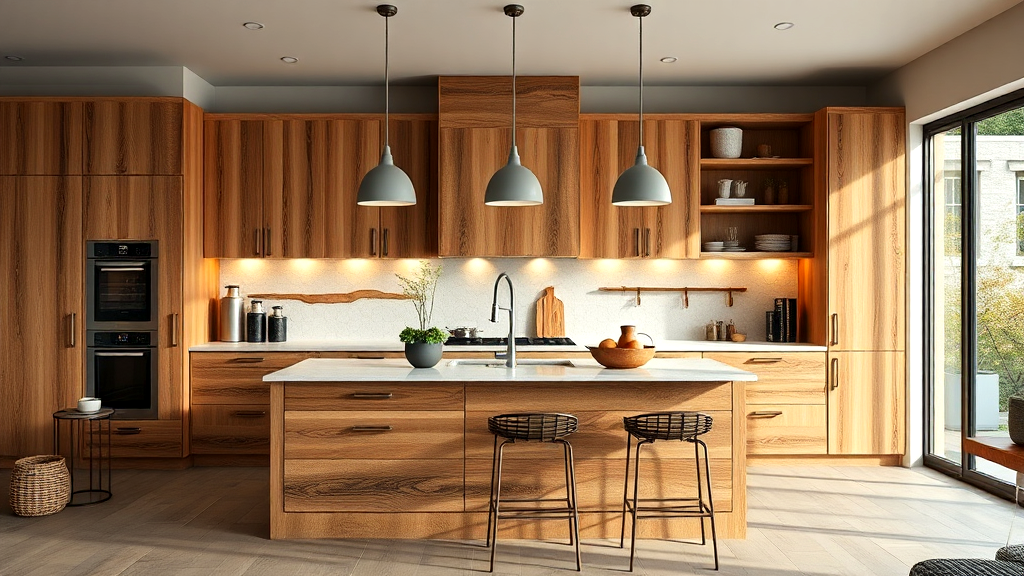
Depersonalizing Word Art Decor
Transitioning from trendy word decor involves embracing art that speaks to you personally. In 2024, outdated home trends like generic word art are losing ground to pieces with deeper meaning. Imagine your room filled with artwork that tells your personal journey—like a gallery showcasing your life’s highlights. This shift reflects broader home design trends, focusing more on authenticity and connection.
Instead of motiveless phrases, consider using classic art or family portraits. This not just decorates but enriches your space emotionally. It feels like surrounding yourself with stories rather than just words. For more inspiration on how to transform your space, explore Getty Images and other top home decor resources.
Transition from Matching Furniture Sets
Updating from coordinated furniture sets offers a fresh approach to home styling. The previous practice of buying matching sets has become an outdated home trend, making way for eclectic and curated collections. Imagine mixing styles, textures, and colors to create a unique, personalized vibe in any room. This shift aligns with the latest home decor trends, encouraging creativity and individuality. Instead of sticking to a single style, try combining different elements for a rich, layered look. Whether modern, vintage, or bohemian, the options are endless. So, why not turn your space into a canvas that reflects your personality?

The Decline of Nautical Themes
Sailing away from nautical vibes, people crave fresh and bold alternatives. This outdated home trend once dominated, but now seems tired and overdone. Think beyond seashells and anchors; explore more dramatic and rich textures. Infuse your space with deep colors, like emerald or navy, for an unexpected twist. Nautical decor feels like an echo from the past, as folks opt for styles that narrate their unique stories. Imagine creating a room that feels like a cozy retreat rather than a beach shack. For more inspiration, browse Getty Images for the latest in top home decor styles, and embrace change with flair.

The Bold Paint Era is Over
The days of daring paint choices have passed, leaving a subtler palette in their wake. Say goodbye to the once-popular outdated home trend of bold hues. Now, homeowners lean towards soft, muted tones that offer adaptability and serenity. Picture a room washed in gentle pastels or understated neutrals, creating a perfect backdrop for vibrant accents in furnishings and decor. This shift aligns with broader home decor trends, emphasizing flexibility and elegance. For those seeking color inspiration, browse Getty Images for endless options. Whether you prefer a serene sanctuary or a lively living space, these tones provide a canvas for your unique style.
Transitioning from Manufactured Wood
Shifting away from manufactured wood, embrace authentic materials like Italian Travertine. These natural elements add a touch of sophistication to spaces yearning for a makeover. Imagine a room adorned with rich textures that not just feel luxurious but also speak to sustainability. This evolution is more than just aesthetics; it’s about making a conscious choice. As we bid farewell to this outdated home trend, it’s time to rethink our material choices. Interior design trends are leaning towards elements that offer durability and charm. This transition is echoed across various spaces, crafting environments that are unique and timeless. For a touch of inspiration, explore galleries like Getty Images and envision the possibilities.

Embracing Cozy Closed Spaces
Cozy confined areas are returning in style, offering warmth and a touch of intimacy lost in vast, open layouts. With a focus on creating distinct, functional zones, these spaces cater to the post-pandemic lifestyle’s need for more personal and dedicated corners. Outdated home trends with sprawling spaces are being replaced by smart designs using dividers and furniture arrangements. This shift aligns with modern home decor trends, emphasizing individuality and comfort. Picture transforming a room into a snug retreat, perfect for unwinding or working. As you explore options, consider browsing through Getty Images for ideas featuring these adaptable spaces.

Outdated: Single Metallic Finishes
Mixing metallic finishes in decor is taking the spotlight, leaving single metallic finishes in the dust. This outdated home trend has lost its shimmer, making way for a fresh, layered approach. Imagine blending brass with chrome or copper, adding depth and character to any room. This shift not just enhances aesthetics but also brings a modern touch to your space. Take inspiration from creative spaces shared by designers on Arsight’s Instagram to see how they expertly combine metallic hues. Here are ideas to get started:
-
Mix warm and cool metal tones.
-
Pair matte and shiny finishes.
-
Use metallics as accent elements.
-
Layer small metallic decor.
-
Incorporate mixed-metal light fixtures.
-
Choose metallic frames for art.
-
Blend metal furniture with wood finishes.

New Focus on Quality Over Quantity
Shifting the spotlight to quality over quantity is reshaping home decor. Long gone are the days where outdated home trends cluttered spaces with numerous, inexpensive items. Instead, people are now choosing fewer high-quality pieces that withstand the test of time. Imagine finding that perfect chair or table, one that tells a tale and is built to last. It’s like finding a gem among stones! Investing in such timeless furniture not just elevates aesthetics but also offers durability. This is the future of home decor trends. It’s like wearing your favorite outfit that never goes out of style! So, why settle for less?
Personalized Interiors Take the Spotlight
Spotlighting personalized interiors brings a fresh vibe to homes, ditching outdated home trends. Imagine a space that truly reflects your personality, filled with unique touches and cherished items. No more cookie-cutter decor; instead, fill your home with pieces that tell your own stories. Post updated May trends favor personal mementos and eclectic styles. The shift from generic to genuine is more than a trend; it’s a lifestyle. For inspiration, Chris Loves Julia showcases how personal touches can transform spaces, like in their evolving living area seen here. It’s all about creating a home that feels like you. And that, my friends, is how personalization steals the show.
Conclusion
Designing your home in 2024 is all about expressing your unique style. Those cookie-cutter looks? They’re yesterday’s news. Instead, aim for spaces that tell your own stories. This shift towards individuality means ditching the generic and embracing what truly resonates with you.
Think about how your choices reflect your personality and values. Are you drawn to sustainable materials? Do you love mixing old with new? Let your decor mirror who you are. This approach not just beautifies your space but makes it feel like home. It’s not just about keeping up with trends. It’s about creating a space that’s yours, through and through.
FAQ
-
Why are open floor plans becoming less popular?
Open floor plans are losing their charm as people crave more privacy. With home offices and multi-functional spaces becoming essential, cozy and segmented layouts are preferred. Think of it as creating a warm, intimate nook rather than a vast, open sea.
-
Why should I move away from gray tones in my home?
Gray everything is stepping aside for warmer tones like beiges and earthy colors. These shades bring life and vibrance, turning the sterile feel of gray into something more inviting. Imagine a room that makes you feel like you’re wrapped in a warm hug rather than a cold handshake.
-
What’s wrong with all-white kitchens?
All-white kitchens are making way for designs that incorporate wood tones and colored cabinets. This shift adds warmth and depth, moving away from the overly sterile look. Picture a kitchen with character, where natural wood and bold colors create a dynamic space.
-
Why is fast furniture falling out of favor?
Fast furniture is being reconsidered as people opt for quality over quantity. Durable pieces promise long-term value and are more sustainable. Think of it as choosing a lifelong companion rather than a fleeting acquaintance.
-
Are matching furniture sets outdated?
Yes, matching furniture sets are seen as outdated. There’s a move towards unique, eclectic collections that reflect personal style. Mixing different styles, textures, and colors creates a one-of-a-kind space, much like curating your own personal art gallery.
avoid capital gains tax

Tips to Avoid Capital Gains Tax
Navigating the world of capital gains tax can feel like a puzzle. But understanding how to manage it can save you money. When you sell something for more than you paid, this tax kicks in. These can be stocks, bonds, or even a beloved old comic book collection. Long-term capital gains, from assets held over a year, often have lower tax rates.
To avoid capital gains, consider keeping assets longer or using retirement accounts. Planning and strategy can help reduce what you owe in Washington. Remember, the gains tax rate depends on your income. Even big banks like Bank of America have strategies. Curious about your own situation? Knowing the right steps can keep those taxes in check.
Key Takeaways
-
Capital gains tax applies when you sell assets like stocks or real estate for profit.
-
Long-term capital gains often have lower tax rates than short-term ones.
-
To avoid capital gains, consider holding assets longer or using retirement accounts.
-
Special exclusions can reduce taxable gains, such as the $250,000 exemption for primary homes.
-
Accurate record-keeping is essential for calculating your gains tax rate.
Understanding Capital Gains Tax
Grasping the nuances of capital gains tax involves recognizing its implications on different assets. While it’s tempting to think of holding assets as a surefire way to reduce taxes, that’s just the tip of the iceberg. Strategies to effectively avoid capital gains tax often include considering long-term capital gains benefits. Not just that, but knowing whether you owe Washington capital is crucial for compliance.
Tax rates can vary significantly, especially when comparing gains tax rates across different states. For example, understanding how Washington capital gains might affect your overall financial picture can be daunting. If you’re curious about specific scenarios related to real estate, you might find my insights on real estate capital gains particularly helpful.
Remember, holding assets longer isn’t the sole solution; there are multiple layers to navigate to ensure you owe capital gains sensibly.

Types of Capital Gains Tax
Understanding the two types of gains tax can be the key to avoid capital gains tax effectively. Short-term gains apply to assets held for a year or less, and they’re taxed at ordinary income rates, which can be pretty steep. Now, if you prefer a gentler tax bite, long-term capital gains might just be your ticket. Hold onto your assets for over a year, and you could enjoy lower tax rates, ranging from 0% to 20% based on your taxable income.
Speaking of real estate, if you’re curious about how changes in California law could impact your gains, you might find my blog on California real estate law updates quite insightful. Similarly, knowing your local tax environment, such as Washington capital gains, can help you plan. For more tax advice straight from the horse’s mouth, visit the IRS website.

Calculating Capital Gains Tax on Real Estate Sales
For those grappling with how to figure out gains from real estate sales, it’s a bit like piecing together a puzzle. The selling price minus the adjusted basis gives you the capital gain. The long-term capital option, with its friendlier tax rates, often feels like the golden ticket. Watch out, though—special exclusions like the $250,000 exemption can help reduce burdens. Tax software or a professional? Wise choices for precise calculations. And hey, be mindful of your local tax rules because they can vary. Have you ever wondered how Washington’s capital gains might affect you? Digging into local specifics can save you a bundle. Lastly, don’t forget to check out what Bank of America might offer in terms of advice or tools.
Calculating Your Capital Gains Tax Liability
When figuring out how much you owe in capital gains tax, consider a few crucial factors. First, determine how long you’ve held the asset. Long-term capital gains generally enjoy lower taxes compared to short-term ones. If your asset’s been with you over a year, you’ll likely benefit from these friendly gains tax rates. For a bit of local flavor, the nuances of Washington capital gains could play into your calculations.
For investments, subtract the purchase price from the selling price. Don’t let taxes catch you off guard; keep precise records. If you’re curious about state-specific insights, the Washington State Department of Revenue’s LinkedIn page might have some pearls of wisdom. Last but not least, if you’re dealing with Bank of America, their resources could help clarify financial strategies.
Calculating Capital Gains Tax on Investments
Figuring out taxes on your investments often feels like tackling a tricky puzzle. Start by subtracting the purchase price from the selling price of your assets. This calculation determines how much you might owe capital gains. Holding your investments longer? You might enjoy lower capital gains rates, potentially easing your tax burden. Meanwhile, Washington capital gains laws could add another layer to your tax strategy. Ever considered checking in with Bank of America for expert insights? Their resources might offer helpful strategies. Navigating this financial maze requires precision and a bit of savvy. Taxes can sneak up on you if you’re not careful, so stay sharp!
Tax Implications for Short-Term Capital Gains
Exploring the tax liabilities linked to short-term capital gains, it’s like an obstacle course. Short-term gains hit you with taxes as if you’ve just won a pie-eating contest—fast and hefty. The excitement of a profit can quickly turn sour when taxes match your ordinary income rate. Ouch! The potential to owe capital gains can be eye-watering.
Strategies to avoid this include timing your sales wisely. For instance, holding assets a bit longer could lower your tax bill. Consider who doesn’t like saving a buck? If you’re in Washington, checking local laws is key. And you might wonder if Bank of America could offer some guidance. Their expertise might just help you navigate these turbulent waters smoothly. Finally, remember: smart planning can be your best friend in this financial maze.

Long-Term vs Short-Term Gains
Examining the differences between long-term and short-term profits can be eye-opening. If you plan to hold onto investments, you’ll likely see a lower tax bill for long-term gains. That’s because keeping assets over a year means favorable capital gains rates. On the flip side, short-term profits feel like a quick snack—satisfying but costly. They get taxed like regular income! Ouch, right? So, if you’re after bigger savings, consider taking the marathon approach rather than a sprint. Plus, have you checked out helpful resources from Bank of America? Their insights could steer you clear of tricky tax traps. And if you owe capital gains, planning is key. Keep an eye on those taxes to avoid surprises. After all, who doesn’t love a smart plan?

Calculating Your Capital Gains Tax
Figuring out your tax liability involves a few steps. First, sort out the holding period of your asset. This determines if your gain is short-term or long-term. The next step is subtracting the purchase price from the sale price. This gives you your profit, but we’re not done yet! Consider any applicable exemptions or deductions. They can significantly reduce what you owe.
Accurate calculations require some help. Tax software or a professional can be useful for complex situations. Also, consult resources like Bank of America for insights on managing liabilities. Keeping a sharp eye on your records is crucial too. No one wants a surprise tax bill! Taxes can sneak up like a cat, so stay vigilant.
10 Ways to Minimize Capital Gains
When pondering ways to reduce what you owe in capital gains, consider strategic approaches. First, delay the sale of assets to qualify for long-term capital gains tax benefits. Utilize retirement accounts for investments, as these can defer or even eliminate tax burdens. Opt for the right cost basis method to minimize taxable amounts. Engage in tax-loss harvesting, a tactic where you sell underperforming investments to offset profits.
Explore 1031 exchanges in real estate to defer taxes by reinvesting in similar properties. Each approach is like a puzzle piece, fitting together to create a comprehensive strategy. If you’re in Washington, stay updated on local tax laws. Consult professionals to ensure you’re on track and not caught off guard. Who doesn’t enjoy a well-executed plan that saves money?
Holding Assets for Long-Term Gains
Opt for a strategy that involves maintaining assets beyond a year to unlock benefits linked to reduced tax rates. This approach can significantly diminish what you owe in taxes. Perhaps you’re in the same boat as many, looking to avoid capital gains tax. Patience can be your best friend here. But watch out! Selling too soon could mean a higher tax biting into your profits.
Consider this: It’s like waiting for the perfect ripe fruit; too soon, and it’s sour, too late, and it’s gone. Invest through retirement accounts to potentially eliminate these taxes altogether. And if you’re in Washington, stay in the loop about specific tax regulations to avoid surprises. Always consult a tax professional to navigate these waters smoothly.
Utilizing Retirement Accounts
Tapping into retirement accounts offers a clever way to ease tax burdens. By investing through accounts like Roth IRAs, you can potentially escape capital gains taxes. Imagine not having to worry about what you owe when you sell assets. It’s like having a secret passageway that others might miss.
If you’re in Washington, staying informed about state-specific tax regulations is crucial. Avoiding surprises is as comforting as finding an extra cookie in your lunchbox. Always consult with a tax professional to ensure you’re making the best moves for your financial future. They’ll help you steer clear of pitfalls and find the best path to reduce what you owe in taxes. With thoughtful planning, you can keep more of your hard-earned money.

Choosing the Right Cost Basis
Selecting an appropriate cost basis is crucial in minimizing what you owe in taxes. By carefully choosing the cost basis method, such as specific share identification, you may effectively lower your taxable gains. This strategy can be likened to picking the right tool for the job – it makes all the difference. If you’re in Washington, be mindful of state-specific rules to further manage your tax liability. Consult professionals to navigate the options that best fit your situation. Having a strategic approach can mean the difference between a hefty tax bill and a lighter one. Like choosing the right shoes for a hike, it can make a world of difference in comfort and ease. Always remain proactive in your financial planning.
Tax-Loss Harvesting Explained
Offsetting gains by selling underperforming assets is like finding a silver lining. You can potentially deduct up to $3,000 from ordinary income annually. This makes it a nifty trick in your toolbox for those looking to owe less on the capital gains tax. Picture this: a teeter-totter, where losses balance out gains, reducing the tax burden.
If you’re in Washington, staying informed about tax specifics can prevent surprises. But don’t go it alone; a tax professional can guide you through the maze of rules and regulations. It’s like having a GPS for your financial journey, ensuring you navigate without hitting roadblocks. In the end, careful planning and expert advice can keep more money in your pocket.
Real Estate and 1031 Exchanges
Exploring the intersection of real estate and the IRS’s 1031 exchange can be a savvy avenue to avoid capital gains tax. By swapping one investment property for another, you defer those pesky taxes, allowing your wealth to grow like a well-watered plant. It’s like trading baseball players without the need for a salary cap! However, you must adhere to strict rules and timelines. Miss a step, and you might owe capital gains you weren’t banking on. This isn’t a free lunch; properties must be similar, and the new purchase must occur swiftly. Fail to comply, and you might find yourself explaining to Uncle Sam why you owe Washington. Always consult a tax expert, ensuring your property swaps are as smooth as butter.

Conclusion
Navigating capital gains tax can feel like a tightrope walk. But armed with the right strategies, you can make the journey smoother. Holding assets longer is a straightforward way to enjoy lower tax rates. This approach not just minimizes taxes but also aligns with sound investment principles.
Utilizing retirement accounts and choosing the right cost basis can further reduce tax exposure. These techniques provide layers of protection, ensuring your hard-earned gains stay largely untouched. Remember, consulting with a tax professional is always wise. They can offer tailored advice for your unique situation. Ultimately, understanding these strategies will help you keep more money in your pocket, making tax season a bit more bearable.
FAQ
-
What is capital gains tax and when does it apply?
Capital gains tax comes into play when you sell an asset at a profit. It’s different from other taxes, like income tax, because it targets the sale of capital assets. Examples of these assets include stocks, bonds, real estate, and even collectibles.
-
What’s the difference between short-term and long-term capital gains tax?
Short-term gains tax applies to assets held for a year or less, taxed at ordinary income rates between 10% and 37%. Long-term gains tax applies to assets held for more than a year, with rates at 0%, 15%, or 20% based on your taxable income.
-
How can I calculate capital gains tax for real estate sales?
To calculate, subtract the adjusted basis (purchase price plus improvements) from the selling price. You might qualify for exemptions, such as a $250,000 exclusion on a primary residence, which can lower your taxable gains.
-
How can I reduce my capital gains tax liability?
Hold assets for more than a year to enjoy lower tax rates on long-term gains. Consider investing through retirement accounts like Roth IRAs, where gains can be deferred or eliminated. Tax-loss harvesting, where you sell underperforming investments to offset gains, is another strategy.
-
What is a 1031 exchange and how does it help with real estate taxes?
A 1031 exchange lets you defer taxes by reinvesting proceeds from a real estate sale into similar properties. It follows specific IRS rules but can be a smart move to delay tax payments while growing your investments.
capital gains tax on real estate

Understanding Capital Gains Tax on Real Estate
Navigating the world of capital gains tax on real estate can be tricky. Whether you’re selling a house or an investment property, understanding how these taxes impact your financial outcomes is crucial. We’ll break it all into simple terms. First, let’s grasp what a capital gain is. It’s the profit from selling a property for more than you paid, including any improvements. These gains are categorized as either short-term or long-term, affecting your tax basis. Thankfully, there are gains tax exclusion rules, like the Section 121 exclusion for a primary residence. Our goal is to help us all avoid capital gains pitfalls and make smart decisions. Ready to dive in?
Key Takeaways
-
A capital gain is the profit from selling property above its purchase price.
-
Long-term capital gains are taxed at lower rates than short-term gains.
-
Keep records of improvements to adjust your property’s tax basis accurately.
-
Use exclusions like the Section 121 for home sale tax benefits.
-
Consider 1031 exchanges to defer capital gains taxes on property sales.
What Constitutes a Capital Gain?
Exploring what makes up a capital gain in real estate, it’s all about the difference between the sale price and the initial purchase cost, factoring in any improvements. This gain can either be short-term or long-term, influencing how it gets taxed. When dealing with capital gains tax, real estate investors often find long-term capital gains more appealing due to favorable rates.
Keeping your tax basis updated with home improvements can save you a few bucks when the taxman comes knocking. Speaking of savings, the gains tax exclusion for a home sale can be a lifesaver if you meet the ownership and residency requirements. However, don’t forget state-specific capital gains taxes could change the game. Our taxtopics journey continues with strategies to avoid capital gains legally and smartly.

Long-Term vs. Short-Term Gains
The distinction between short-term and long-term property sales profoundly impacts capital gains tax in real estate. Short-term profits, often akin to ordinary income, can hit the wallet harder. Long-term capital gains, however, usually benefit from lower rates. Planning sales with these differences in mind can be the difference between a hefty tax bill and some sweet savings.
-
Evaluate holding periods to optimize tax outcomes.
-
Consider the impact of your tax basis on gains.
-
Keep meticulous records of property improvements.
-
Understand the applicable gains tax rates.
-
Explore the gains tax exclusion for a home sale.
-
Don’t overlook the sale capital gains on rental properties.
-
Utilize IRS resources, like Form 8949, to report gains efficiently.
Using these insights, we can better navigate the labyrinth of real estate taxes.
Calculating Capital Gains on Property
Calculating gains on property involves subtracting the adjusted basis from the sale price. Think of the adjusted basis as what you initially paid for the house, plus any improvements. Keeping track of these improvements makes a huge difference. Why? It can significantly reduce capital gains taxes when you sell. Now, let’s say you held the property for over a year. Here, the magic of long-term capital gains comes into play, offering lower tax rates compared to short-term gains. For those selling primary residences, don’t forget the home sale tax exclusion. It may allow us to avoid capital gains up to $250,000 or $500,000, depending on our status. Always consult tax professionals or resources like IRS Form 8949 to ensure accuracy in your tax calculations.
Capital Gains Tax Rates Overview
The intricacies of gains tax rates can make anyone’s head spin. For real estate, these rates depend on whether profits are short-term or long-term. Short-term gains are taxed like regular income, while long-term capital gains enjoy lower tax rates. Now, who doesn’t love a good discount?
Keep an eye on the Net Investment Income Tax for those earning big bucks. For most of us, the sweet relief comes with the home sale capital gains exclusion, allowing us to dodge taxes up to $250,000 or $500,000. The IRS details this on their official site.
Understanding the tax basis is key too. It impacts how much we can avoid capital gains tax, ensuring we play the game wisely.

Exclusions for Home Sale Capital Gains
Let’s chat about home sale exclusions for capital gains. Picture this: you’ve owned and lived in your cozy nest for at least two of the last five years. You might qualify for the sweet gains tax exclusion, sparing you from paying taxes on up to $250,000 if you’re flying solo, or $500,000 for those in marital bliss. However, play your hand carefully—certain conditions can disqualify you, like prior exclusions or tax issues. To stay informed, the IRS Publication 523 is a treasure trove of details on home sales and exclusions. If you’re eyeing a move and want to avoid capital gains taxes, consider converting a rental to a personal residence. Keep in mind that home improvements can add value and reduce your taxable profit.
Qualifying for the Home Sale Exclusion
Navigating the path to a gains tax exclusion involves understanding specific conditions. We must ensure the home has been our primary residence for at least two of the last five years. This rule stands as our golden ticket to potentially exclude up to $500,000 for couples or $250,000 for singles. However, keep in mind, previous use of this exclusion in the last two years could throw a wrench in our plans. Also, if our sale involves a like-kind exchange or expatriate tax, we might be out of luck. Keep your eyes peeled for other possible disqualifiers to avoid surprises with the capital gains tax real estate. When done right, this exclusion can be our secret weapon against hefty taxes.
Impact of Home Improvements on Gains
Increasing the basis of the property through home improvements can affect our capital gains tax. By adding value to our home, we might reduce the taxable gains when we decide to sell. Renovations such as kitchen makeovers or new roofs can boost the property’s basis. This means when the sale price is reduced by the enhanced basis, the taxable gain shrinks. Keeping receipts and records is key here! It’s like finding a hidden gem in our tax strategy toolbox. When gains tax rates come into play, every little bit helps. Having a solid plan can ensure we are ready when the tax capital gains come knocking. It’s about maximizing benefits, minimizing tax burdens, and keeping our financial ducks in a row.

Avoiding Capital Gains on Home Sales
Selling a home without tax headaches? Smart moves can help us avoid hefty capital gains taxes. If we meet the IRS’s ownership and residency criteria, we may exclude up to $500,000 in gains. Timing is everything, like when converting rental properties to main residences. This can be a game-changer. But beware of depreciation recapture. It can sneak up and take a chunk of our profit. Keeping track of home improvements? That’s key to nudging up our tax basis, reducing profits on paper.
When planning, it’s wise to peek at IRS Publication 523. They’ve got the scoop on exclusions and more. If we strategize well, the gains tax home might just tiptoe past us.
Strategies for Primary Residences
When looking at strategies for owning your primary residence, understanding the capital gains tax real estate implications is crucial. We can dodge those hefty taxes by staying in our home for at least two of the previous five years. This move might allow us to exclude up to $500,000 in gains if we’re married, or $250,000 if single. Timing is our trusty sidekick; we might consider converting rental properties into our main digs to avoid capital gains. It’s like playing a strategic game of chess, where each move impacts the outcome. And let’s not overlook home improvements. They can bolster our tax basis, potentially shaving off some taxable gains. Essential? Absolutely! Knowing these tricks can make a world of difference when the taxman comes knocking.

Options for Rental Properties
Exploring rental property choices can be tricky. One avenue involves 1031 exchanges. They let us defer capital gains taxes by swapping properties. It’s like a magic trick for our finances! Converting rentals into primary homes is another clever strategy. This maneuver might reduce our tax liability, especially if we fancy a change in scenery. Of course, timing the sale perfectly can save us from hefty taxes. Staying informed? It’s a must-do! Resources like IRS Publication 523 shed light on nuances. Now, here’s a numbered list for clarity:
-
1031 exchanges to defer taxes.
-
Convert rentals to primary residences.
-
Time sales strategically.
-
Keep records for a better tax basis.
-
Consult IRS resources for clarity.
-
Consider state-specific taxes.
-
Stay updated on tax regulations.
Tax Implications for Rental Property Sales
When considering the tax consequences of selling rental properties, we need to address depreciation recapture. This is taxed at 25%, which can bite into those profits. Beyond that, we should factor in the long-term tax capital gains, which apply to any remaining profit. Timing the sale wisely and being aware of the tax basis can help us manage these taxes effectively.
Additionally, delving into 1031 exchanges offers a chance to defer capital gains taxes. We might avoid capital gains altogether by converting a rental into a primary residence and meeting the necessary criteria. Always keep an eye on taxtopics for any changes that might affect these strategies. While tax laws can feel like a maze, knowing where we stand can keep us from getting lost in the weeds.
Understanding 1031 Exchanges
Exploring exchanges under section 1031, we find a powerful tool for real estate investors. By reinvesting proceeds into like-kind properties, we can defer capital gains tax. This strategy allows us to grow our real estate portfolios without immediately feeling the tax pinch. It’s like swapping apples for oranges but still staying in the fruit basket. The key is adhering to strict timelines and regulations.
Timing is everything here, especially the 45-day identification and 180-day acquisition windows. These exchanges can be tricky, but they offer a sweet tax-saving cherry on top if done correctly. Just remember, the real estate market can be a wild ride. Keeping good records and knowing our tax basis can smooth the bumps.
Has anyone ever tried this and felt like they dodged a tax bullet?

Additional Tax Considerations and NIIT
When pondering other tax concerns and the NIIT, we find some intriguing details. For those with high incomes, capital gains tax real estate transactions might bring the NIIT into play. This 3.8% tax can add an extra layer to the usual rates on capital gains taxes. So, it feels a bit like adding a jalapeño to your tax taco. We must also consider state-specific taxes, as they can vary and impact our net proceeds.
Keeping our tax basis updated helps manage these additional taxes. When calculating sale capital gains, remember the impact of improvements and other adjustments. This isn’t just a one-size-fits-all scenario. Each decision can significantly affect our wallet.
Navigating these taxtopics requires careful planning and attention to detail. So let’s keep our eyes peeled and our calculators handy!
State-Specific Capital Gains Taxes
When diving into the nuances of state-specific taxes, one might feel like navigating a patchwork quilt. Each state has its own rules for capital gains tax real estate. For instance, some states tax all gains, while others may offer exclusions similar to federal ones. These variations can impact our financial planning significantly.
In California, you might face higher rates, while Florida doesn’t tax at all. Imagine selling a property in New York versus Texas—it’s like comparing apples and oranges! We can’t forget to account for these when considering our tax basis.
Those who follow Chloe Moore have noted her insights on these taxtopics. Planning for home sale capital gains may require a strategic approach, balancing between state and federal requirements.
Conclusion
Navigating the maze of capital gains tax on real estate can seem daunting. Yet, understanding its nuances is valuable for anyone dealing in property sales. We’ve laid out the key components—from defining capital gains to calculating them and exploring exclusions and tax rates.
Being strategic about selling your property can help minimize tax liabilities. For instance, knowing about the home sale exclusion or considering a 1031 exchange might save you significant sums. Staying informed about the tax implications on rental property sales can also be beneficial.
Ultimately, our goal is to help you make informed decisions to optimize your financial outcomes. Whether you’re selling a primary residence or a rental property, having a solid grasp on these tax considerations is crucial. Let’s aim for smart, tax-efficient real estate transactions together!
FAQ
-
What is a capital gain in real estate?
A capital gain is the profit we earn when selling a real estate property. The gain depends on the original purchase price and any improvements made. If we hold the property for more than a year, it’s a long-term gain. If less, it’s short-term. Easy peasy, right?
-
How do long-term and short-term gains differ in taxation?
Short-term gains are taxed as ordinary income. This means they can be quite hefty. Long-term gains enjoy reduced tax rates, usually 0%, 15%, or 20%. This can be a breath of fresh air for our wallets.
-
How can we calculate capital gains on property?
Start with the sale price and subtract the adjusted basis. The adjusted basis includes the purchase price and any improvements. We love our spreadsheets for keeping track of these numbers!
-
Are there exclusions for home sale capital gains?
Yes, there are! If we qualify, Section 121 allows us to exclude $250,000 (single) or $500,000 (married) from our gains. We need to have owned and lived in the home for at least 2 of the last 5 years. Check those calendars!
-
How do home improvements affect capital gains?
Home improvements can increase our property’s basis. This means they can reduce the taxable gain when we sell. So, if we installed that new kitchen, keep those receipts handy!


