

What Are Granny Pods?
Granny pods are compact residential units designed specifically for senior living within a family property. Commonly classified as accessory dwelling units (ADUs), they provide elderly parents or relatives with privacy, comfort, and autonomy—without sacrificing proximity to family support.
Most granny pod homes include:
- A private sleeping area
- A fully functional bathroom
- A kitchenette for simple meals
- A comfortable living space
These features make granny pods ideal for seniors who value independence but may still require occasional assistance.
Why Families Are Choosing Granny Pods
Granny pods offer a practical and emotionally rewarding solution for multigenerational living.
Key Benefits of Granny Pods for Seniors:
- 👵 Independence without isolation
- 👨👩👧 Daily family connection and emotional support
- 🏠 A private, home-like environment
- 💰 Significantly lower costs than assisted living facilities
For many families, granny pods strike the perfect balance between caregiving and personal freedom—something traditional senior housing often struggles to provide.
Granny Pod Costs: A Realistic Breakdown
The cost of a granny pod varies based on size, design, location, and customization level.
Typical price ranges include:
- $20,000–$60,000 → Basic prefab granny pods
- $70,000–$150,000 → Mid-range ADUs with accessibility upgrades
- $200,000–$250,000+ → Fully custom or luxury granny pod homes
Prefab vs. Custom Granny Pods
- Prefab granny pods offer faster installation, predictable pricing, and minimal construction disruption.
- Custom-built granny pods allow families to personalize layouts, materials, and accessibility features.
Definition and Purpose of Granny Pods
At their core, granny pods are about connection and care.
These standalone cottages—sometimes referred to as tiny homes for seniors—are designed to meet the physical, emotional, and lifestyle needs of aging family members. Their efficient layouts emphasize accessibility, safety, and comfort, making daily living easier and safer.
Common senior-friendly features include:
- Slip-resistant flooring
- Step-free entrances
- Wider doorways
- Optional medical alert systems
By placing a granny pod on family property, households create a living arrangement that promotes companionship while preserving personal space.
Key Takeaways
- Granny pods are compact homes for elderly family members, designed to promote independence and dignity.
- Costs typically range from $20,000 to $250,000, depending on size, features, and build type.
- Prefab granny pods are ideal for fast setup; custom builds offer full personalization.
- Zoning laws and permits are critical legal considerations before installation.
- Safety-focused design features make granny pods comfortable and senior-friendly.
Is a Granny Pod the Right Solution for Your Family?
Granny pods are more than housing—they’re a long-term family strategy. They help families stay connected, reduce caregiving stress, and offer seniors a place that truly feels like home.
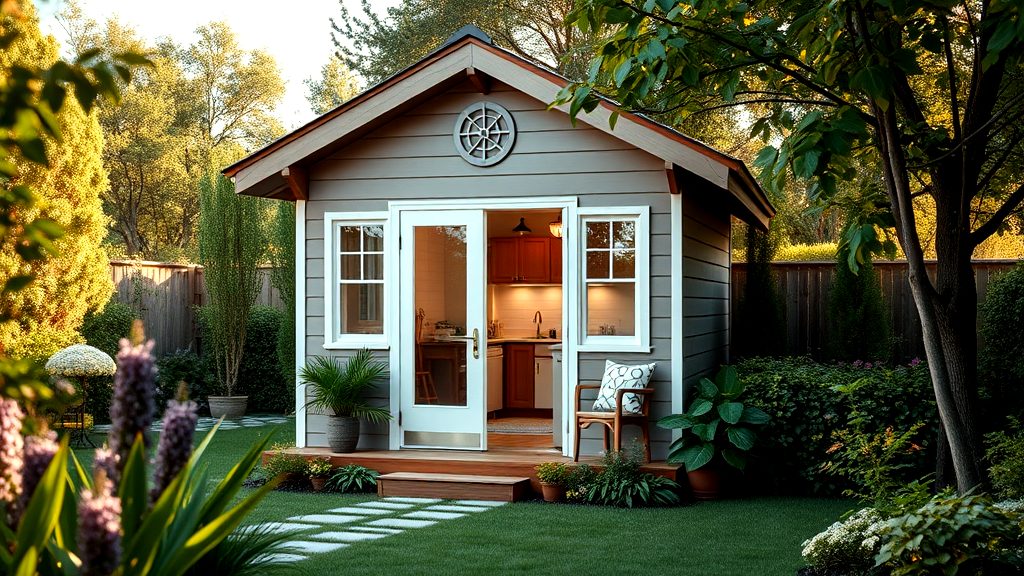
Why Families Choose Granny Pods
Granny pods offer meaningful advantages that go beyond housing. They allow families to provide care without sacrificing autonomy for seniors.
Top benefits include:
- 🏡 Independent living close to home
Seniors enjoy their own space while remaining steps away from family support. - 💰 Lower costs than assisted living
A tiny home solution is often far more affordable than monthly assisted living fees. - ❤️ Stronger emotional bonds
Proximity encourages daily interaction, companionship, and peace of mind. - 🛠️ Customizable for aging needs
Features like wheelchair access, grab bars, and medical alert systems can be built in from the start. - 🎨 Aesthetic property integration
Modern granny pods are designed to blend seamlessly with the primary residence.
Granny pods don’t just house loved ones—they support healthier family dynamics.
Legal Considerations and Zoning Requirements
Before installing a granny pod, understanding local zoning laws and regulations is critical.
What to Check Before You Build:
- Zoning laws: Rules vary by city and county; some areas limit ADU placement or size.
- Permits: Most municipalities require building and utility permits.
- Utility hookups: Water, electricity, and sewer connections must meet local codes.
- HOA restrictions: Homeowners associations may impose additional design or placement rules.
- Common Restrictions to Expect:
- Maximum square footage
- Height limitations
- Setback requirements
- Design or exterior appearance guidelines
Planning ahead helps avoid delays, fines, or costly redesigns.
Cost Breakdown of Granny Pods
AI Answer Summary
Granny pods typically cost between $20,000 and $250,000, depending on size, design, customization, and installation requirements. Additional expenses such as permits, utilities, and long-term maintenance should be factored into the total budget.
Average Granny Pod Costs
| Type | Estimated Cost Range |
|---|---|
| Basic prefab unit | $20,000–$60,000 |
| Mid-range ADU | $70,000–$150,000 |
| Custom or luxury build | $200,000–$250,000+ |
Additional Costs to Consider
- Utility connections
- Building permits
- Site preparation or foundation work
- Landscaping or access paths
Initial Expenses and Hidden Fees
Many families underestimate the true cost of a granny pod by focusing only on the base price.
Common hidden or ongoing expenses include:
- Permit and inspection fees
- Utility installation costs
- Property insurance adjustments
- Maintenance and repairs
- Monthly utility bills
Accounting for both upfront and long-term expenses ensures a realistic financial plan.
Prefab Granny Pods vs. Custom Builds
Prefab Granny Pods
Best for: Speed, budget control, simplicity
Pros:
- Faster installation
- Predictable pricing
- Minimal construction disruption
Cons:
-
Limited design flexibility
Custom Granny Pods
Best for: Personalization, accessibility needs, long-term value
Pros:
- Fully tailored layouts
- High-end finishes
- Specialized accessibility features
- Cons:
- Higher costs
- Longer build timelines
- Bottom line:
Prefab units prioritize efficiency, while custom builds maximize personalization and property value.
Essential Safety and Comfort Features
A well-designed granny pod prioritizes both physical safety and everyday comfort.
Must-Have Features for Seniors:
- Slip-resistant flooring
- Wide doorways and hallways
- Handrails in bathrooms and entryways
- Medical alert or emergency call systems
- Easy-to-use heating and cooling controls
- Ample natural and task lighting
Accessibility Enhancements:
- Wheelchair ramps
- Step-free entrances
- Adjustable countertops
- Outdoor patio or garden access
These features reduce fall risks while enhancing quality of life.
Tips for Choosing the Right Location
Choosing the right placement on your property is just as important as the design.
Location checklist:
- Flat, stable ground
- Close—but not intrusive—distance from the main home
- Compliance with zoning and setback rules
- Proper drainage and grading
- Clear, accessible pathways
Thoughtful placement ensures privacy, safety, and visual harmony.
Top 3 Granny Pod Designs to Consider
1. Allwood Escape Cabin Kit
- Budget-friendly
- Easy assembly
- Cozy and compact
2. Custom A-Frame Cabin
- Modern design
- Energy-efficient
- Large windows and smart insulation
3. FabCab Universal Design
- Accessibility-first layout
- Wide doorways and open flow
- Ideal for aging-in-place
Each option suits different budgets, aesthetics, and mobility needs.
Conclusion: Is a Granny Pod the Right Choice?
Granny pods offer a powerful alternative to traditional senior housing—one that prioritizes independence, dignity, and family connection.
With proper planning around zoning, costs, and design, these compact homes can:
- Reduce long-term care expenses
- Strengthen family relationships
- Provide a safe, comfortable living environment for seniors
Whether you choose a prefab model or a custom build, granny pods represent a forward-thinking solution for multigenerational living.
FAQ Section for Granny-Pods
Arvin | Avenal | Bakersfield | California City | Clovis | Coalinga | Corcoran | Delano | Dinuba | Exeter | Farmersville | Firebaugh | Fowler | Fresno | Hanford | Huron | Kerman | Kingsburg | Lemoore | Lindsay | McFarland | Mendota | Orange Cove | Parlier | Porterville | Reedley | Ridgecrest | San Joaquin | Sanger | Selma | Shafter | Taft | Tehachapi | Tulare | Visalia | Wasco | Woodlake

2300 W Whitendale Ave
Visalia CA 93277
559-733-9696
878 W Morton Ave
Porterville CA 93257
559.781.1414
7520 N Palm Ave
Fresno CA 93711
559-432-1221
5060 California Ave
Suite 1150
Bakersfield CA 93309
661.654.1600
810 N 11th Ave
Hanford CA 93230
559.772.8700


© 2023 Quantum Realty group. All Rights reserved.
Century 21® and the CENTURY 21 logo are registered service marks owned by Century 21 Real Estate LLC. Quantum Realty Group fully supports the principles of the Fair Housing Act and the Equal Opportunity Act.
Each office is independently owned and operated.
Any services orproducts provided by independently owned and operated franchisees are not provided by,affiliated with or related to Century 21 Real Estate LLC,nor any of its affiliated companies.
